
Hamed Abbaszadegan, MD, MBA

October 29, 2026

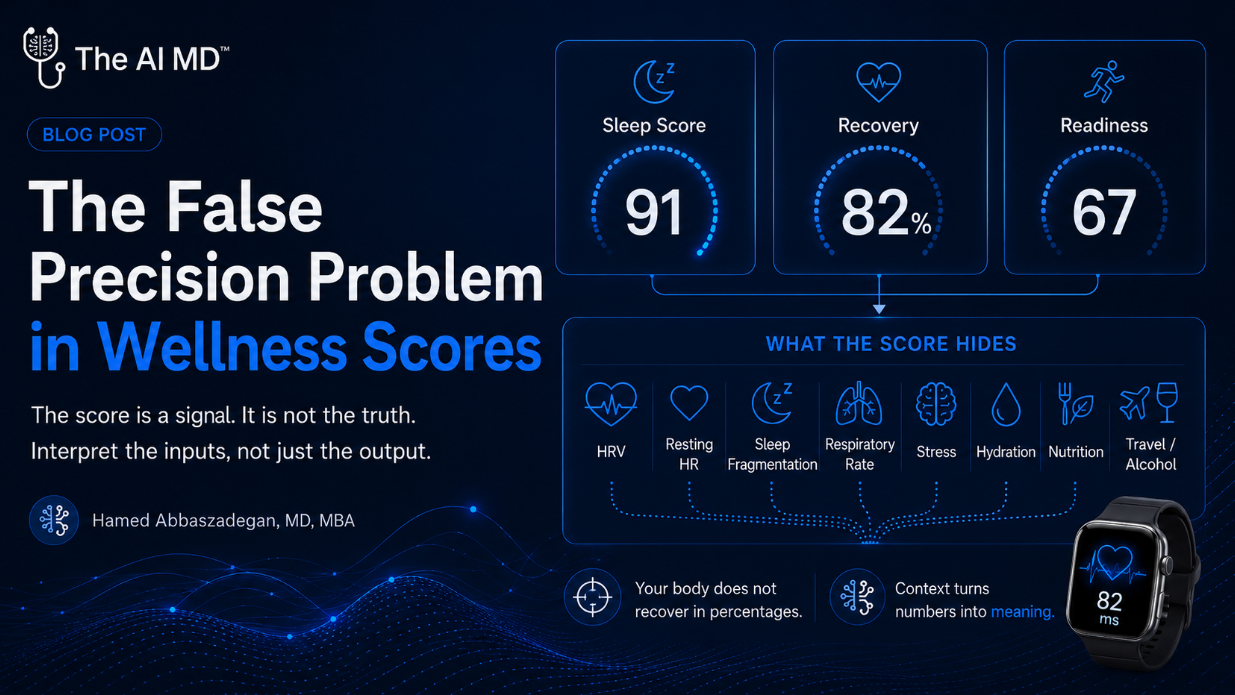
Your wearable says your recovery is 42%. What do you do with that information? Most people stare at the number, feel vaguely concerned, and then proceed with their day exactly as planned. Some push through the workout anyway. Some panic and cancel everything. Some ignore the score completely because they do not trust it. All three responses miss the point.
Your recovery score is not useless because recovery does not matter. It is useless when you do not understand what created the score. The missing variable is context.
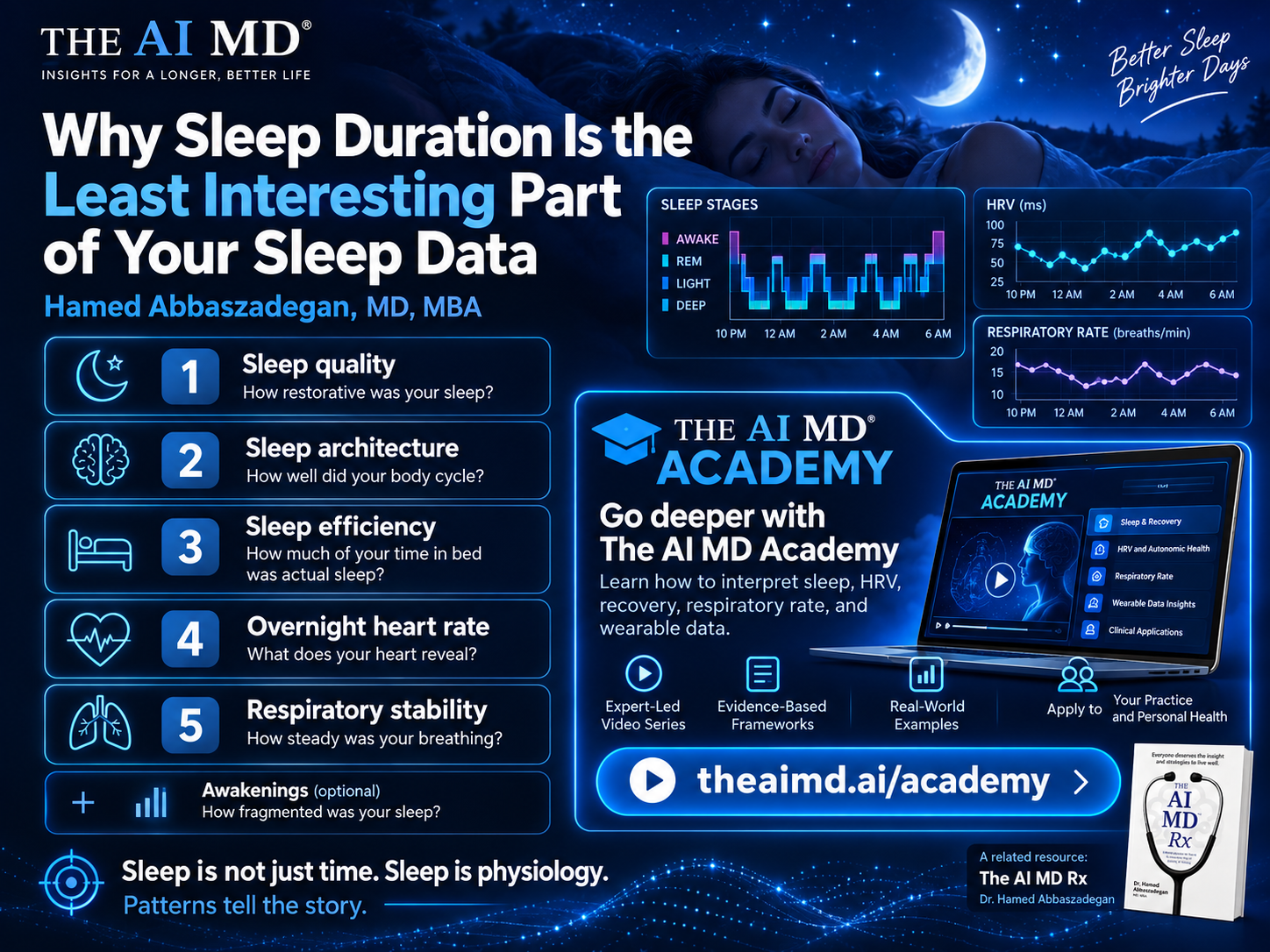
Most recovery scores synthesize multiple physiological signals. Depending on the device, the algorithm may weigh HRV, resting heart rate, sleep duration, sleep quality, respiratory rate, temperature, activity load, and prior trends. The score tells you the output, but it does not clearly tell you the input. It gives you a number without explaining the full story behind the number.
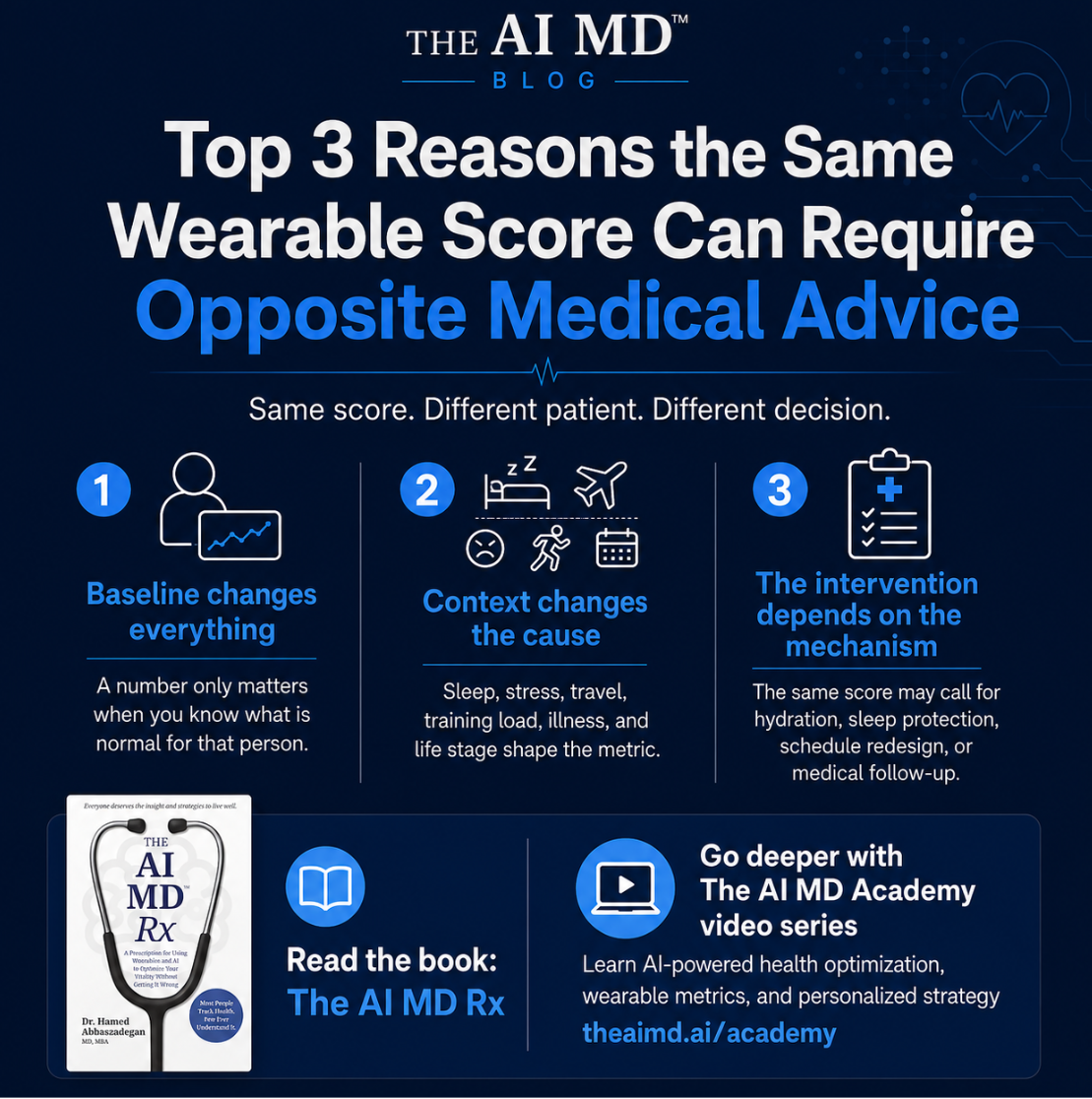
A recovery score of 42 after three hours of sleep is very different from a recovery score of 42 after eight hours of sleep. A low recovery score after heavy training is different from a low recovery score after a stressful meeting, a late meal, alcohol, travel, illness, or emotional conflict. The same score with a different cause needs a different intervention.
I spent years as Program Director of the Clinical Informatics Fellowship teaching physician fellows how to integrate data with physiological signals. The lesson is simple: data becomes useful when you connect biology to behavior. Your device can measure the biological signal, but it does not always know the associated behavioral reason behind the signal. That is why context is the variable nobody teaches you to track.
Your wearable does not know everything about your life. It may know your heart rate, sleep duration, HRV, respiratory rate, and movement patterns. But it may not know about the flight delay, the skipped meal, the argument, the late work deadline, the glass of wine, the stressful phone call, the dehydration, the new medication, or the fact that you trained harder than usual. Those details matter and manual logging them takes less than 30 seconds, but it can completely change the meaning of your recovery score. Without context, a low score feels random. With context, it becomes a testable hypothesis.
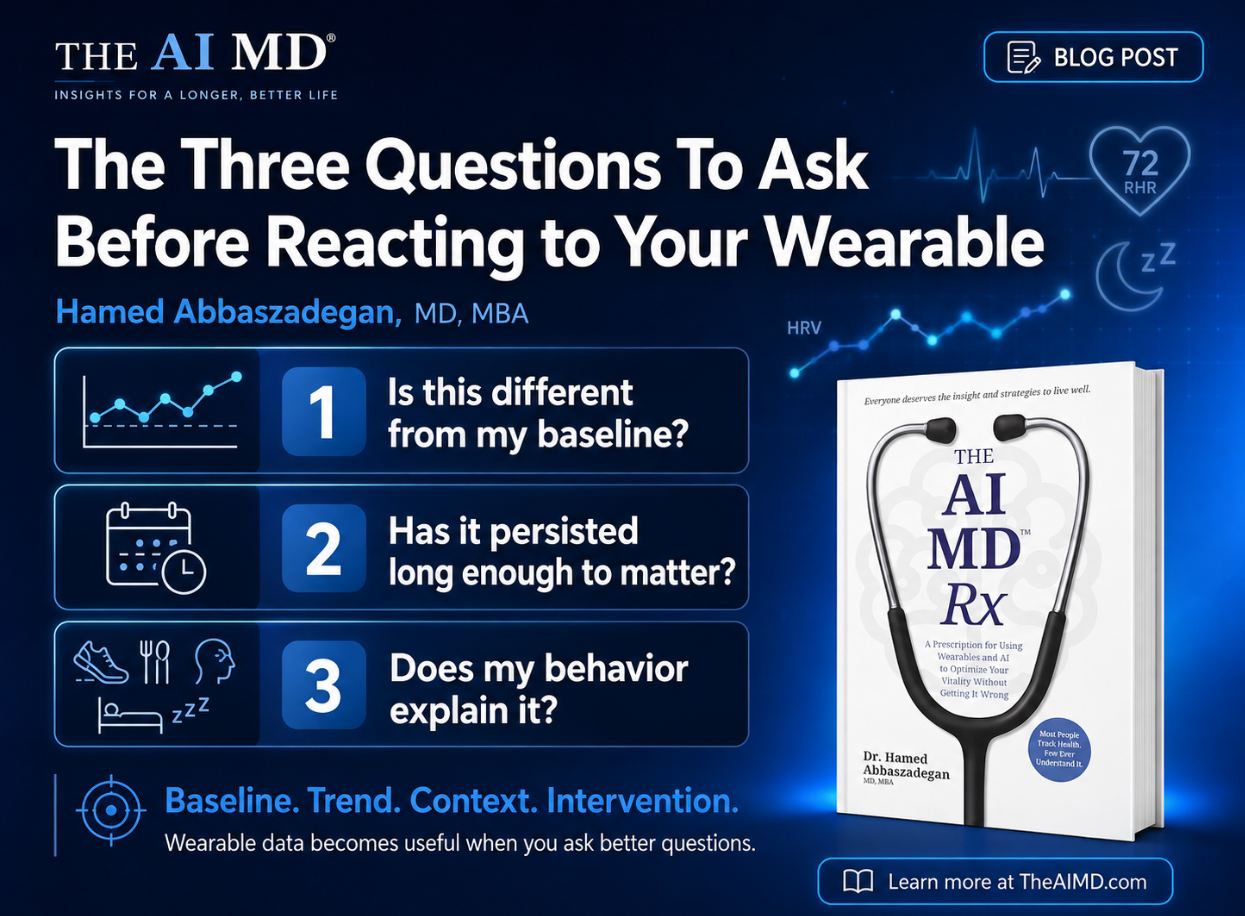
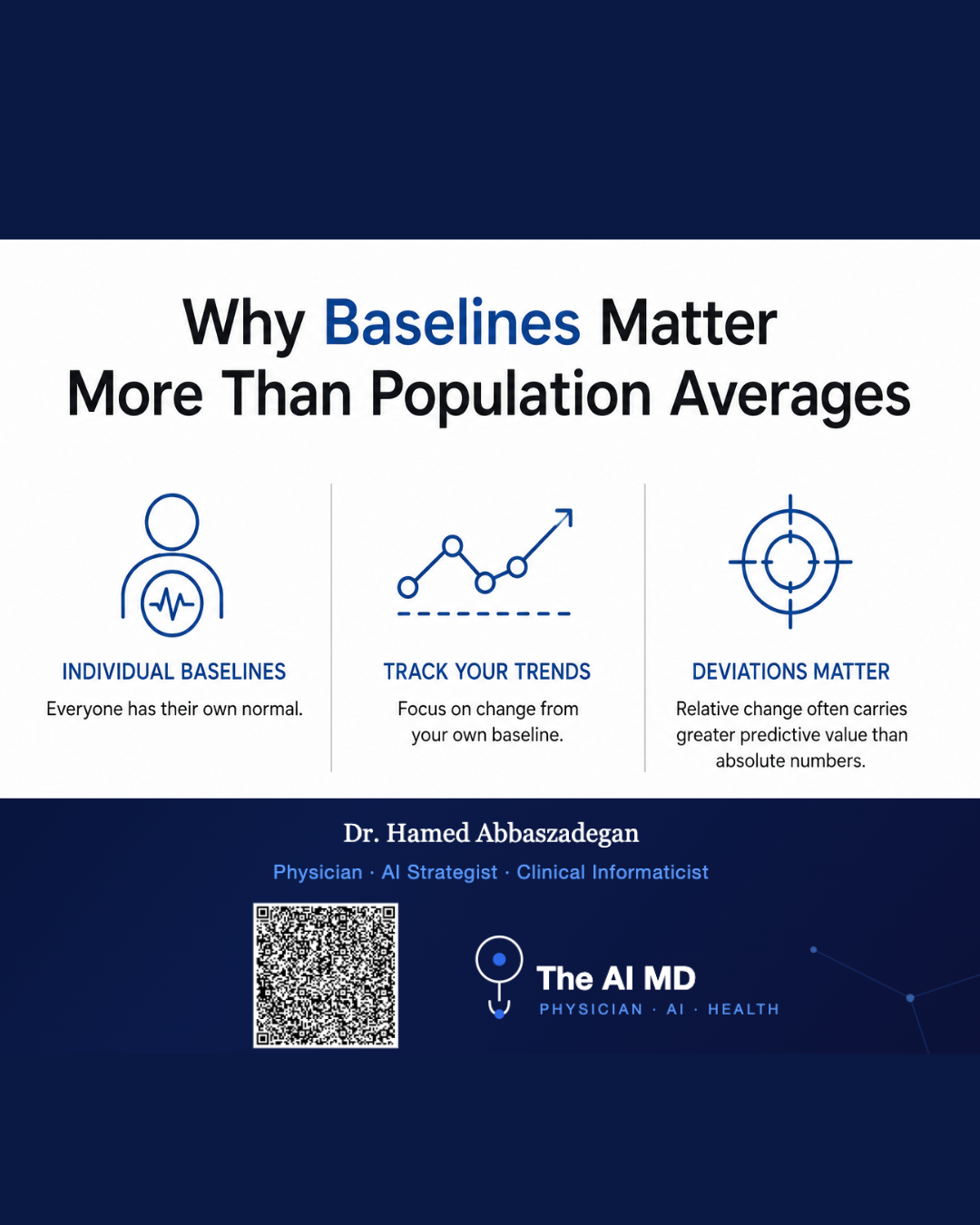
The goal is not to obsessively track every detail of your life. The goal is to identify the repeatable patterns that explain your physiology. Once you start annotating behavior next to biology, your wearable becomes less of a scoreboard and more of a feedback system.
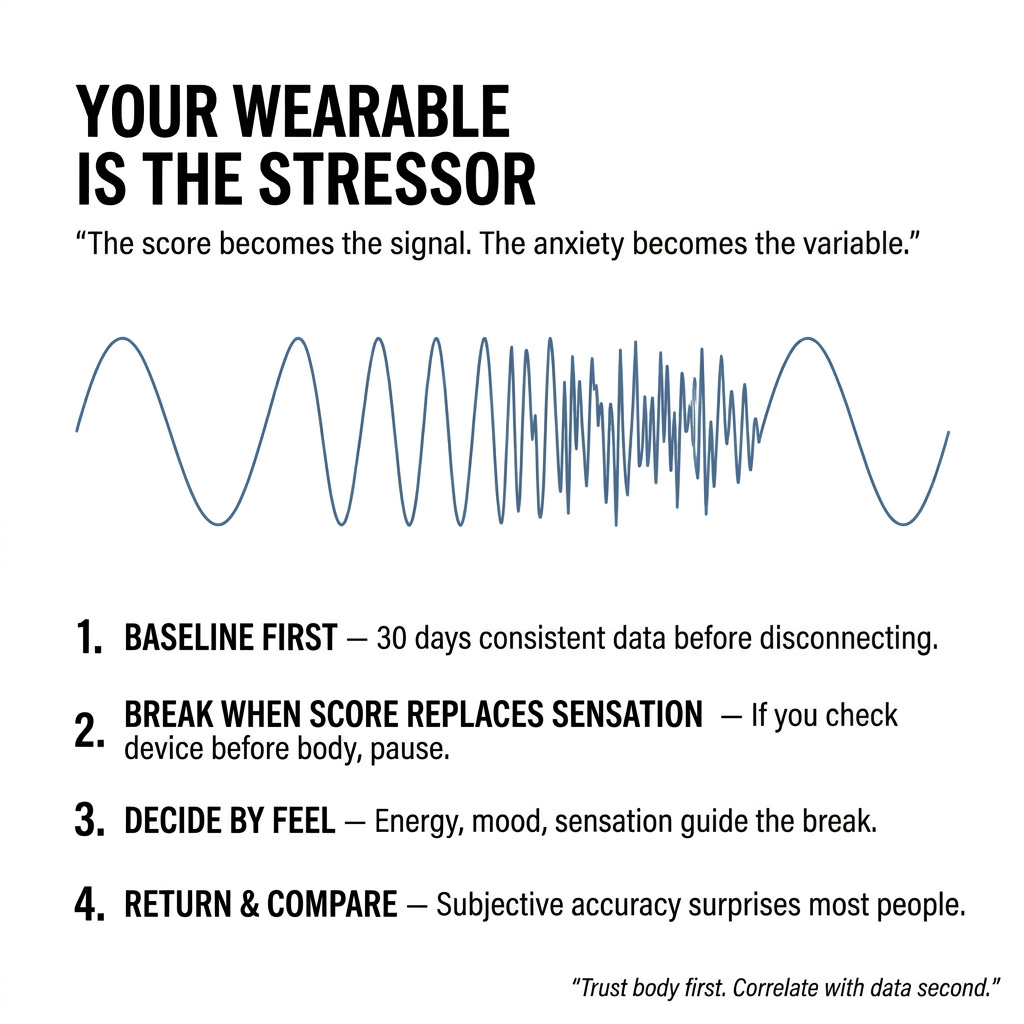
Your device says you are 80% recovered, but your body says/feels otherwise. That discrepancy is not something to ignore and could be the most important signal of the day. Recovery is not just a number. It is also how you feel, how you perform, how clearly you think, how stable your mood is, how sore you feel, how motivated you are, and how your body responds to demand.
Sometimes the wearable and your body agree. You feel exhausted, and the score is low. That is straightforward. Sometimes they disagree. You may have a high recovery score but still feel foggy, irritable, sore, anxious, or physically depleted. You may have a low recovery score but feel strong, focused, and ready to perform. Neither situation means the device is automatically wrong. It means you need to investigate the gap.
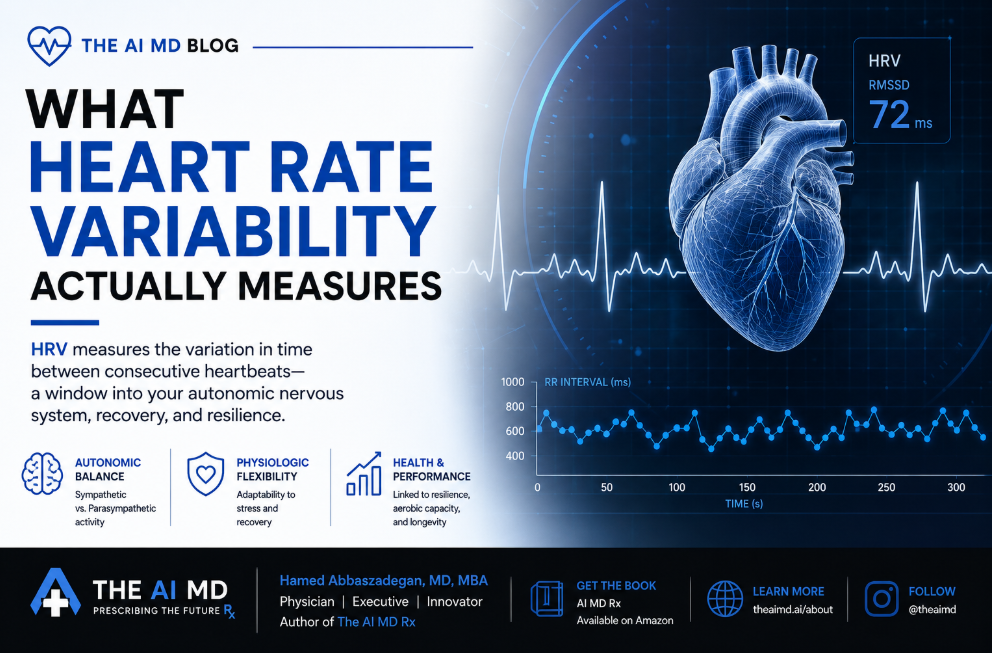
Which metric is driving the score? Is HRV suppressed? Is resting heart rate elevated? Was sleep fragmented? Was respiratory rate higher than baseline? This is where the real value lives. The discrepancy between the score and your lived experience can help you understand which signals matter most for your body.
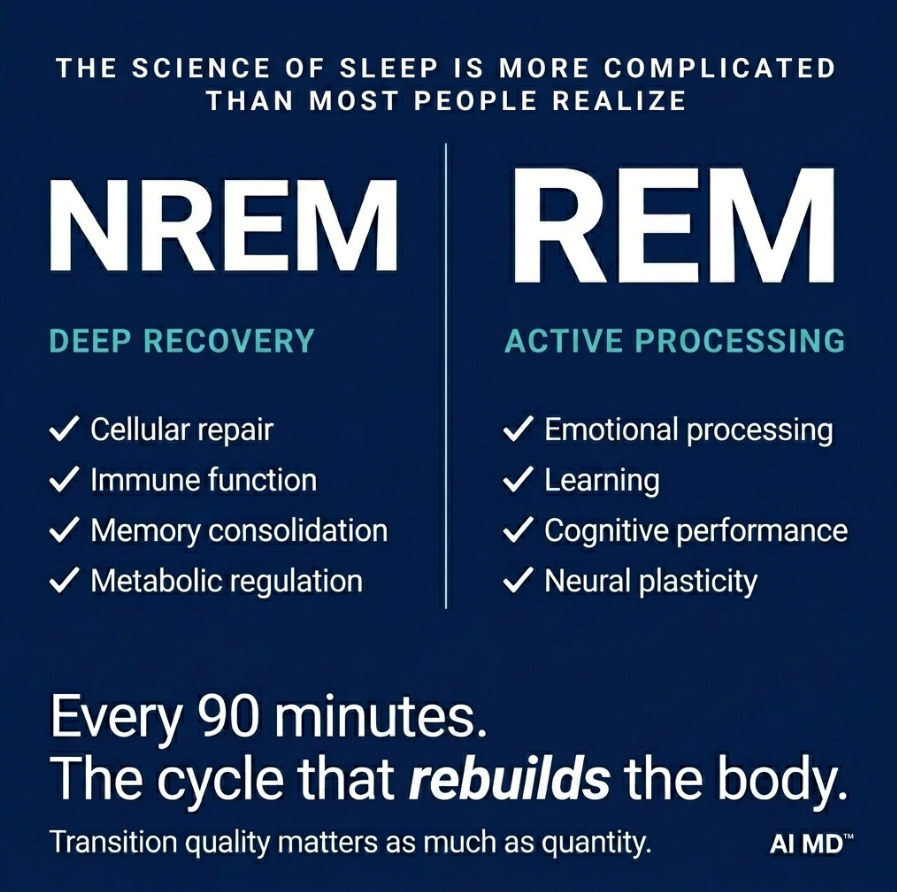
A recovery score becomes actionable only when it changes what you do next. Low recovery after poor sleep may call for a sleep intervention. That could mean protecting bedtime, reducing evening screen exposure, changing caffeine timing, improving sleep consistency, or adjusting the next day’s training load.
Low recovery after travel may require hydration, light exposure, movement timing, and a gentler training day. Low recovery after emotional stress may require breathwork, schedule boundaries, recovery time, or nervous system regulation.
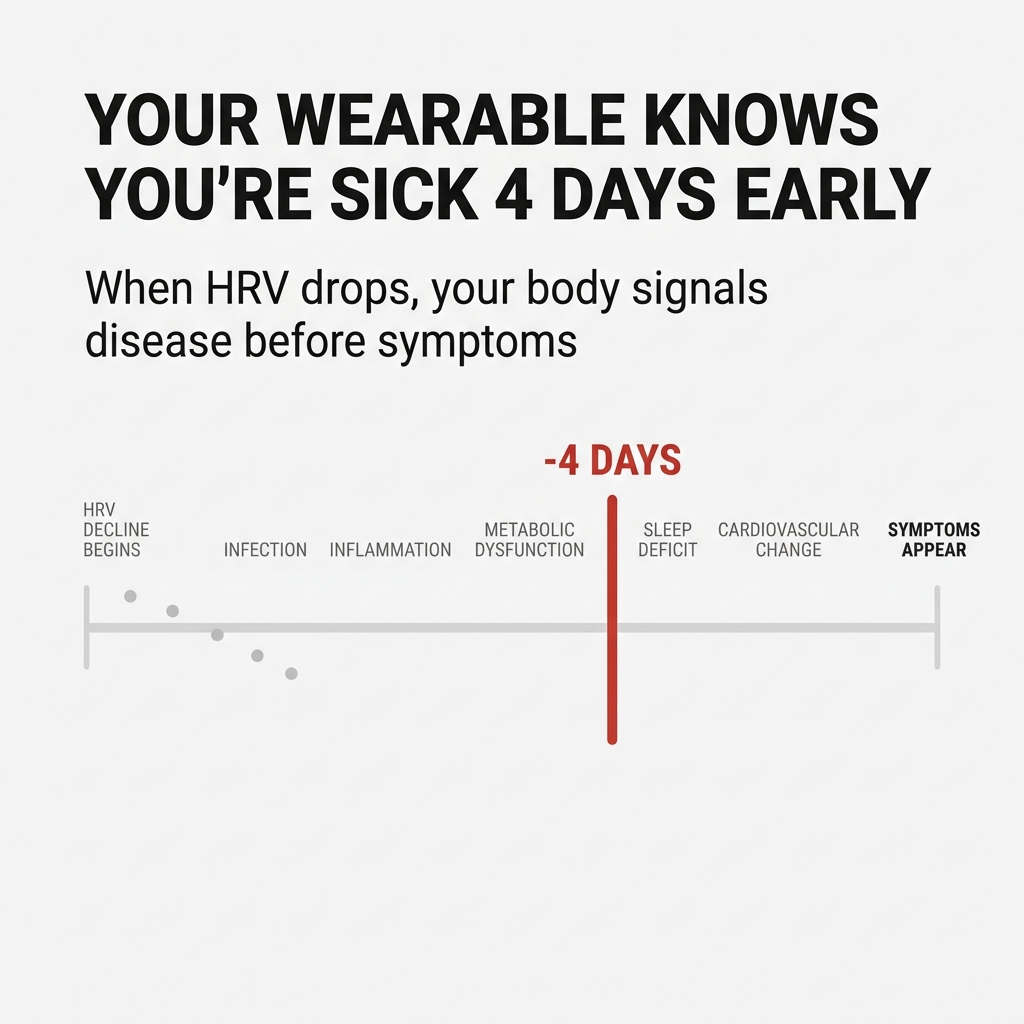
Low recovery despite great sleep is a different problem. If sleep duration was strong but HRV is suppressed, resting heart rate is elevated, and respiratory rate is drifting upward, you may be looking at illness onset, inflammation, overreaching, alcohol effects, medication effects, or another physiological stressor.
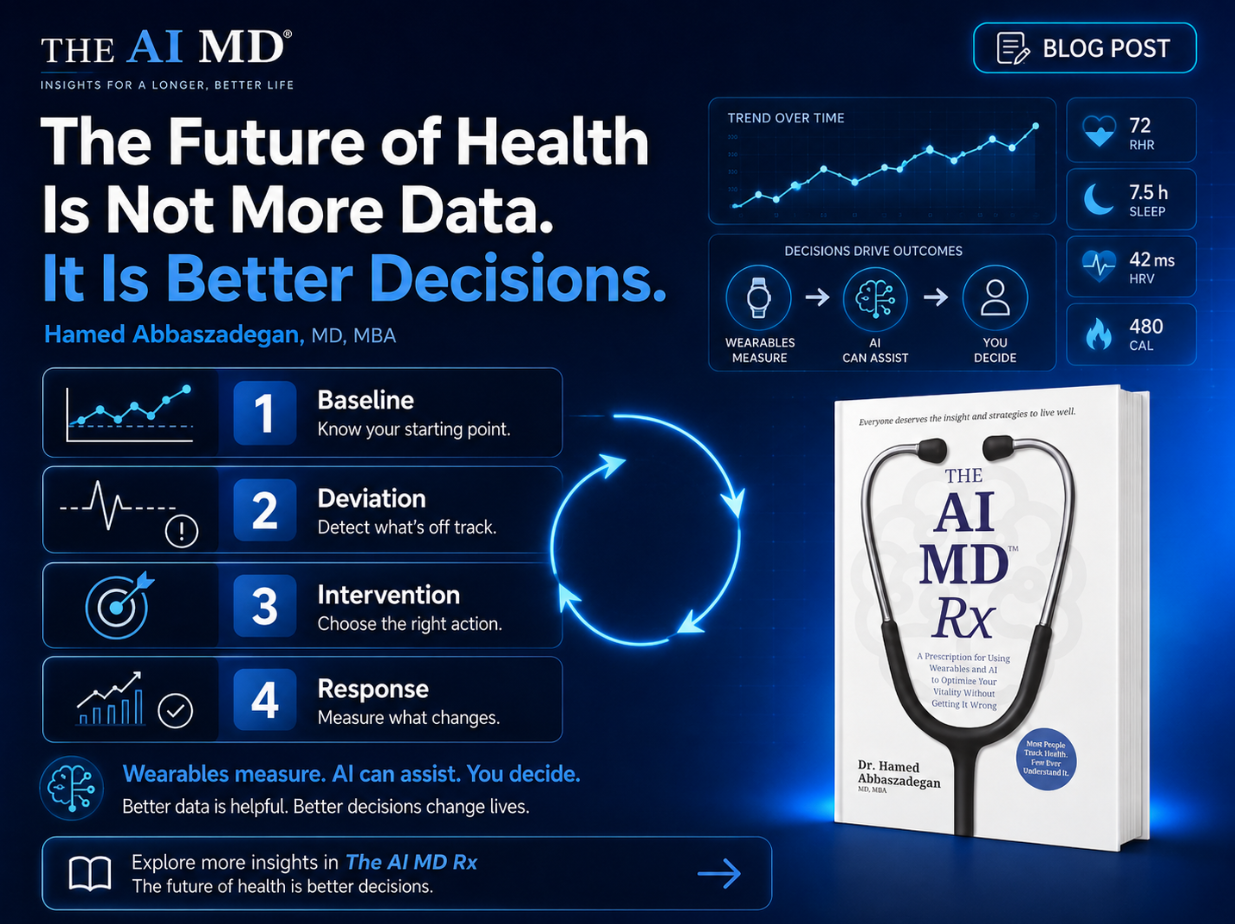
In all circumstances, generic advice fails. The better approach is to test an intervention and measure the response. If you change sleep hygiene and recovery improves, you learned something. If hydration and nutrition improve the trend, you learned something. If reducing training load restores HRV and lowers resting heart rate, you learned something. The wearable becomes useful when it helps you close the loop.
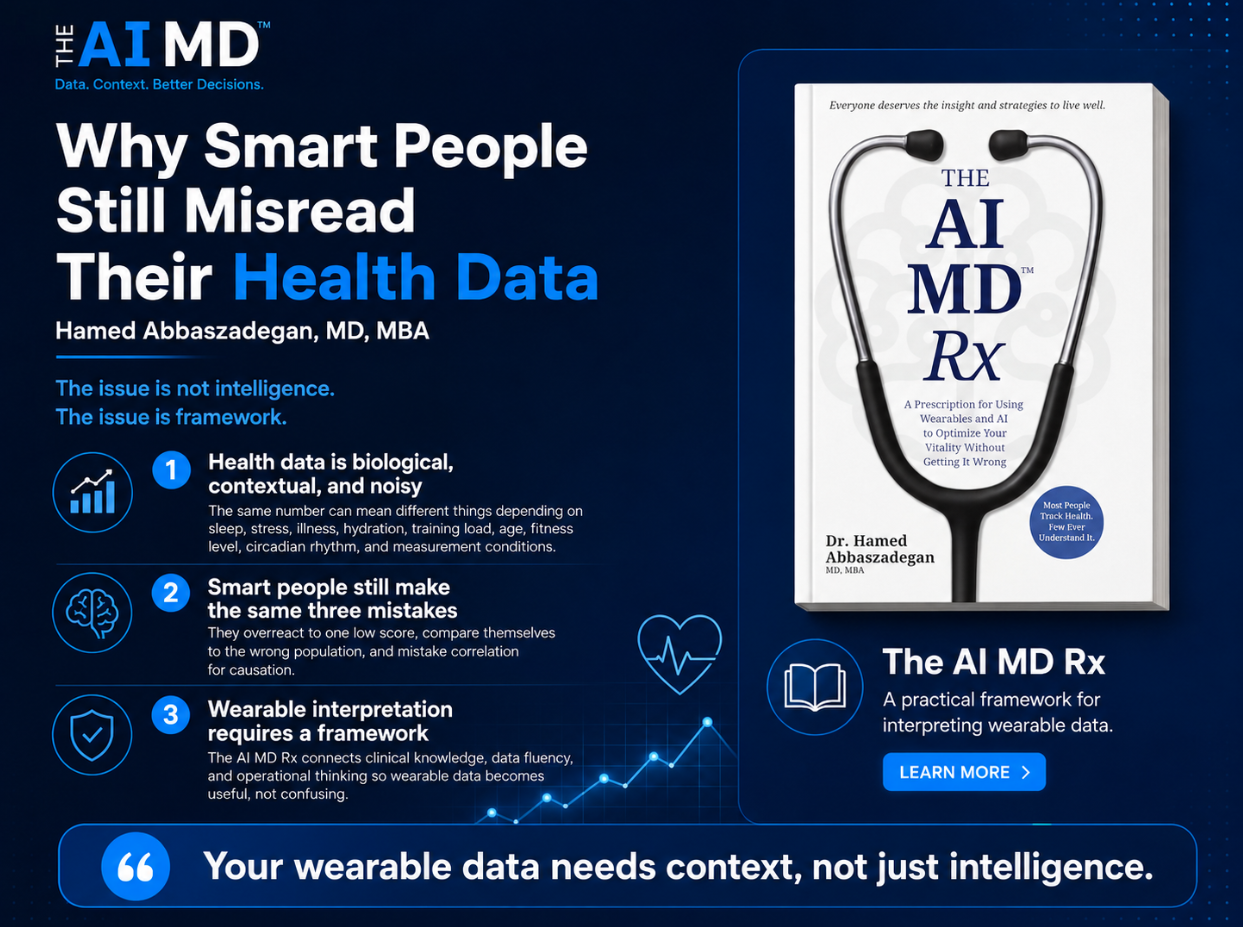
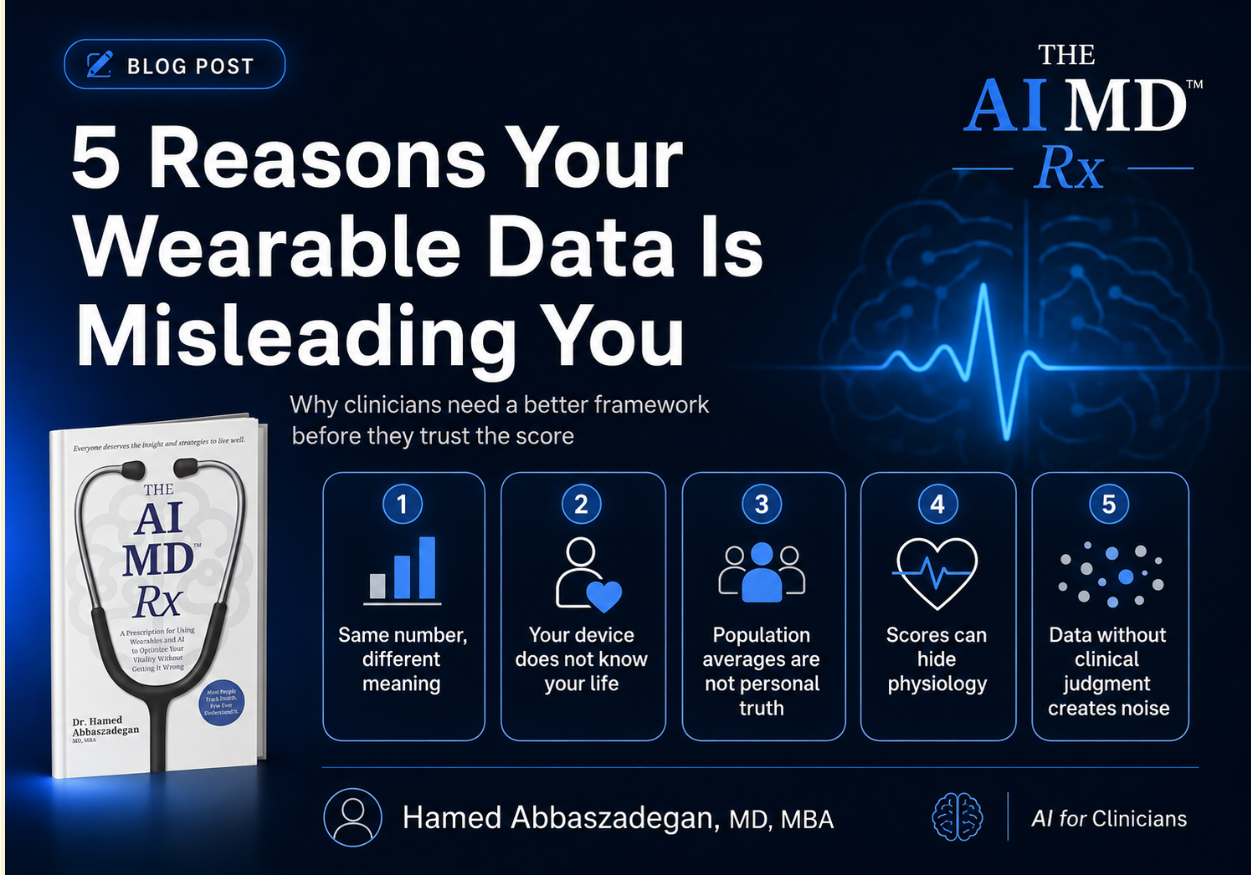
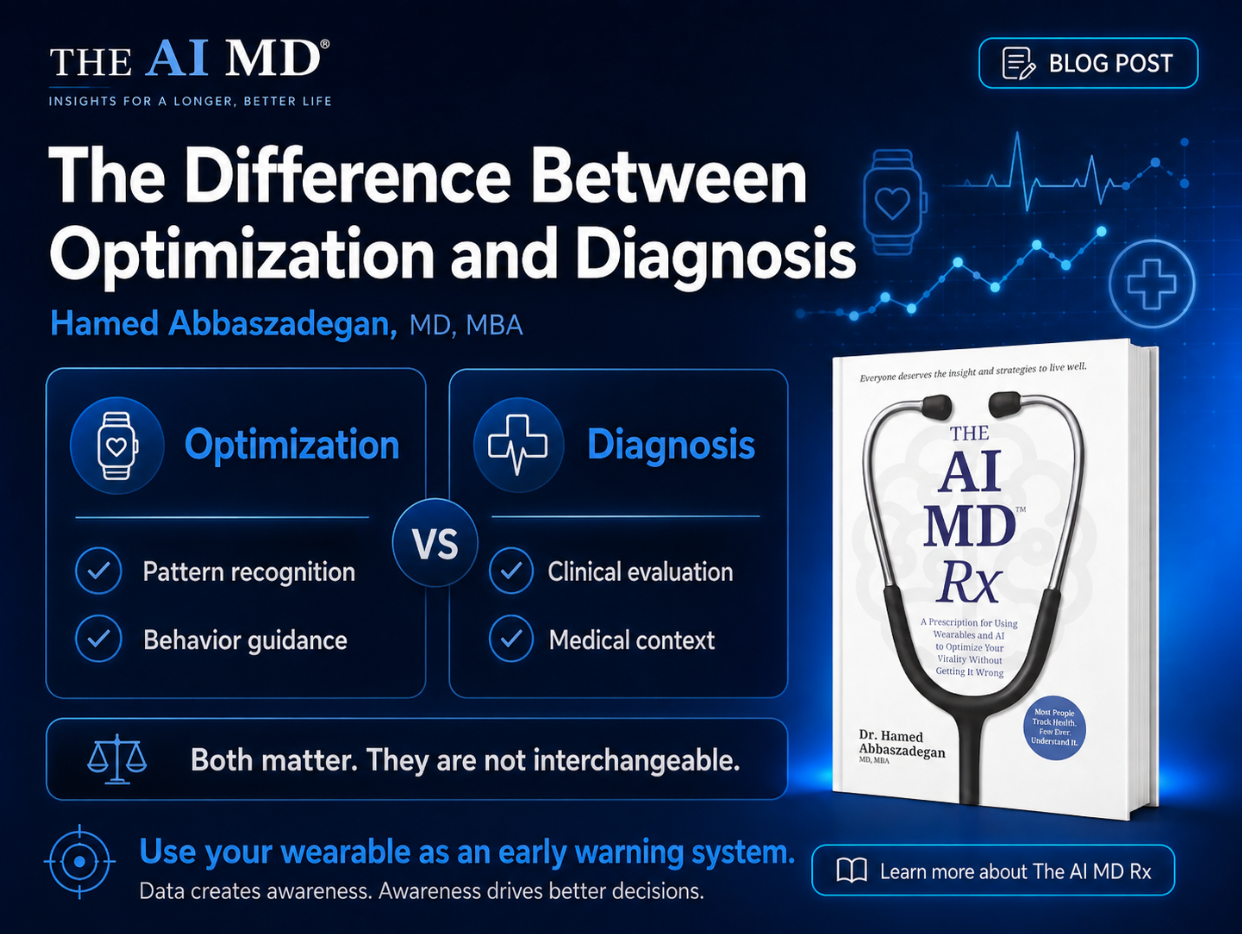
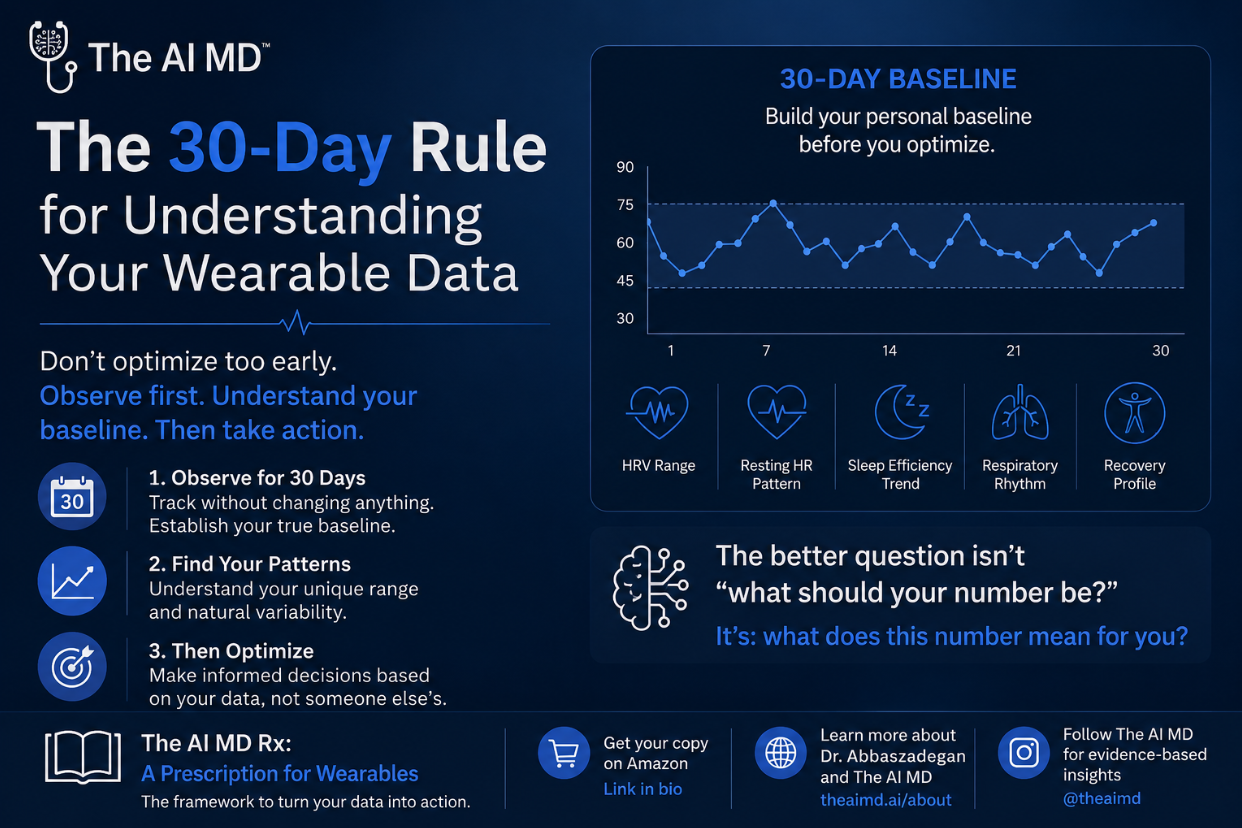
The AI MD Rx was written to provide that missing framework. It teaches you how to establish your personal baseline, recognize meaningful deviation, distinguish signal from noise, connect behavior to physiology, and translate real-time wearable data into actionable optimization strategies.
Ready to move beyond the score?
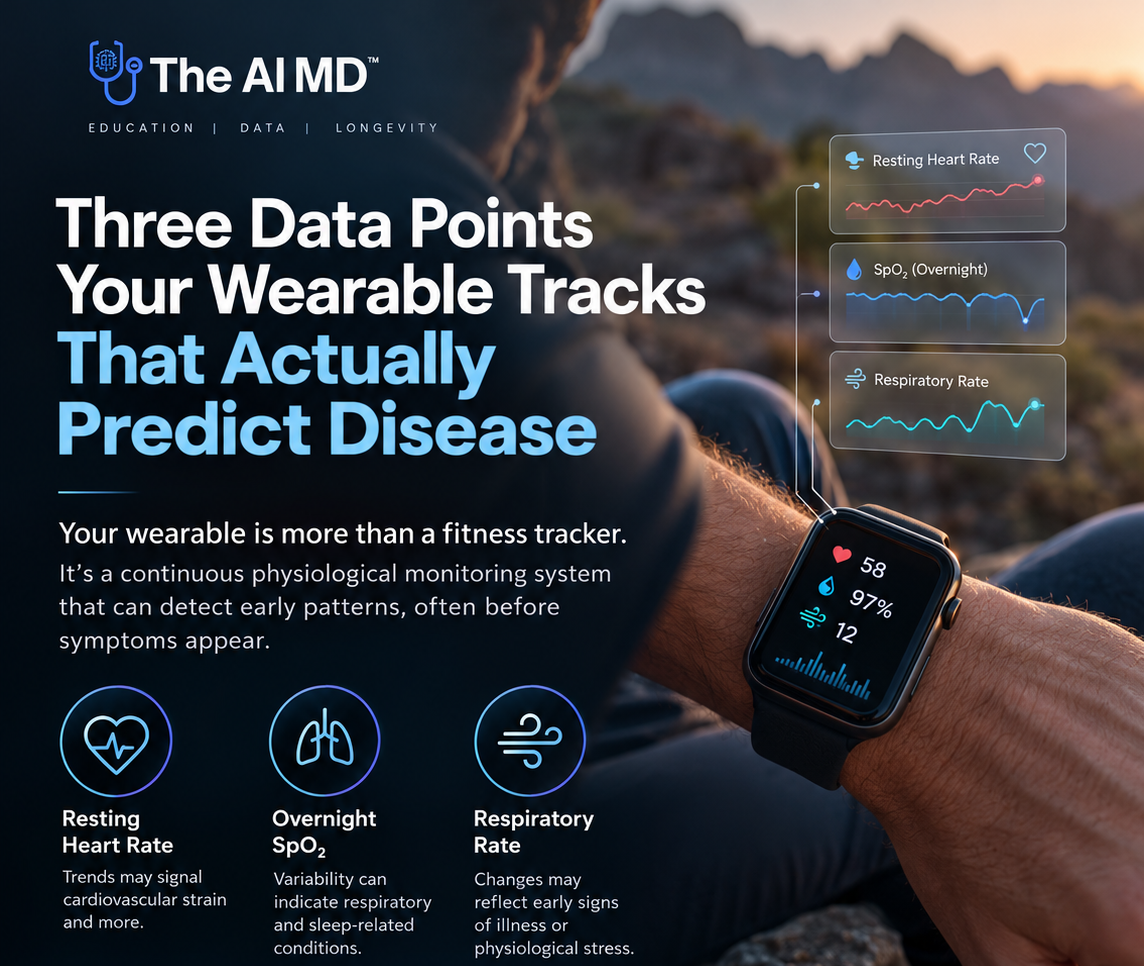
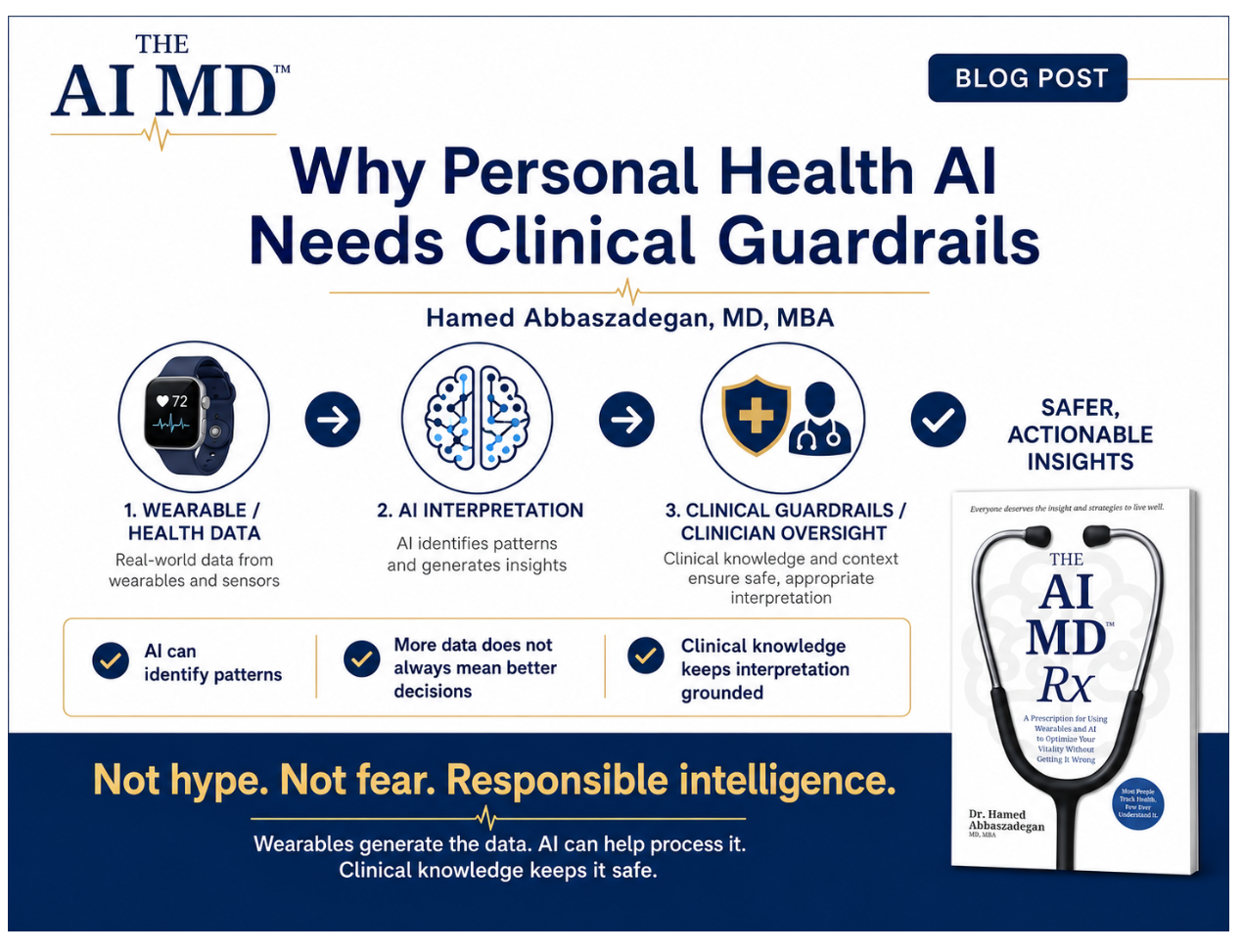
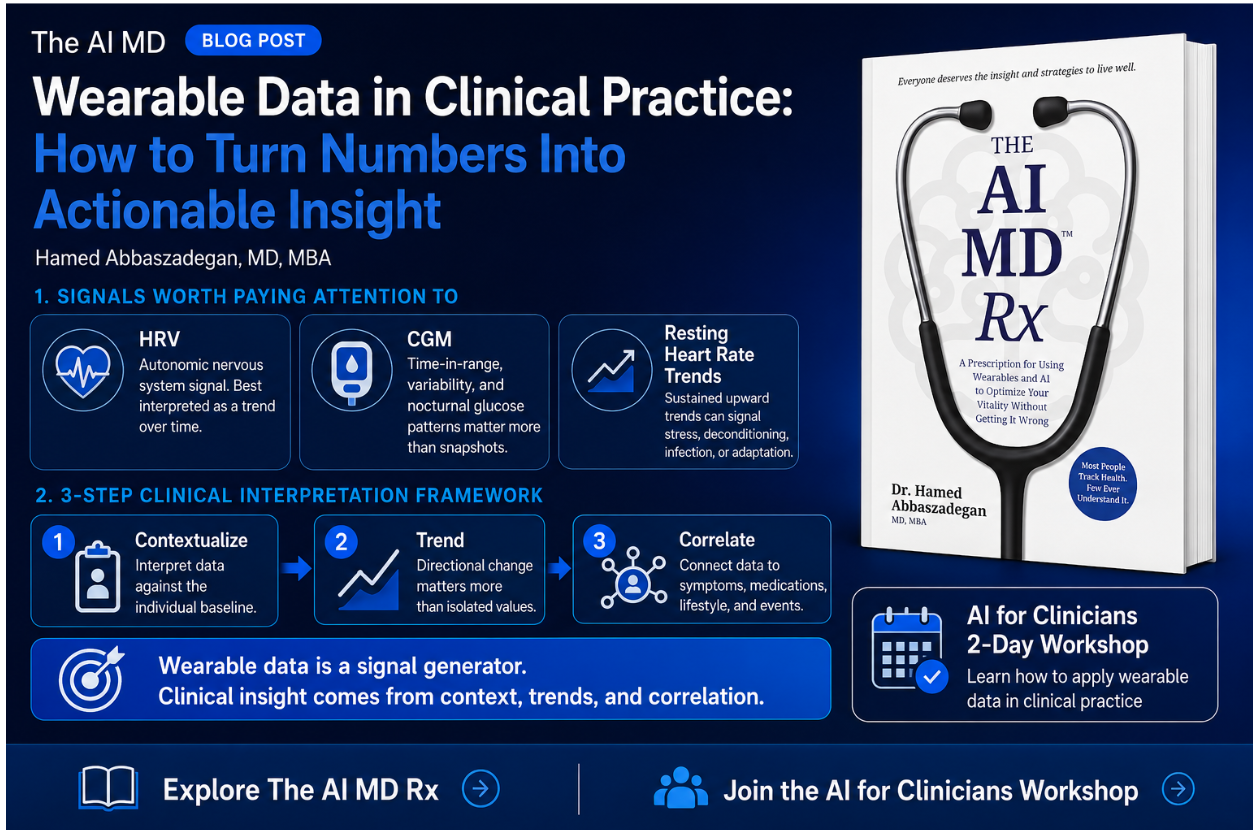
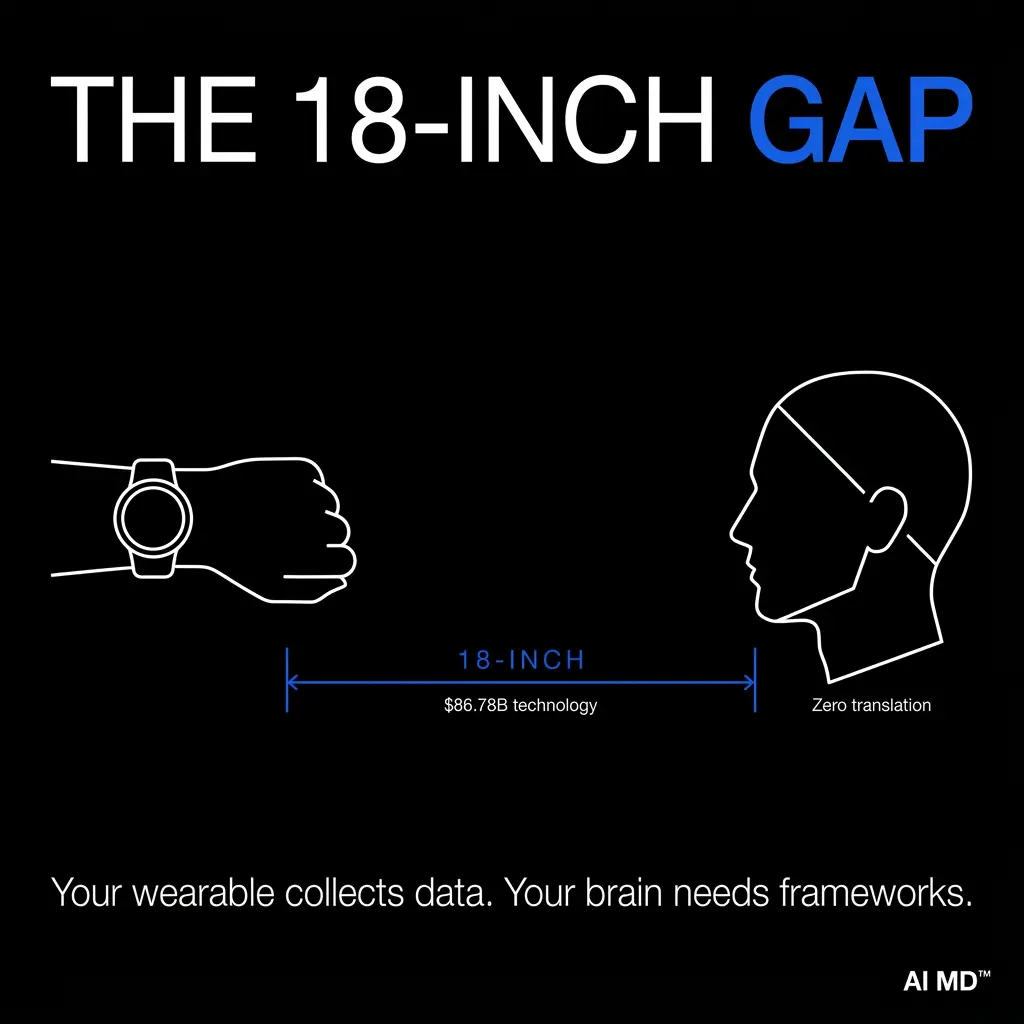
Your wearable is collecting data every day, but the real value comes from knowing how to interpret it. Sleep, HRV, resting heart rate, recovery, respiratory rate, and other health metrics are only useful when you understand your personal baseline, recognize meaningful trends, and know what actions make sense.
The AI MD™ helps you turn health data into clearer decisions.
📖 Start with the book:
Get The AI MD Rx: A Prescription for Using Wearables and AI to Optimize Your Vitality Without Getting It Wrong and learn the framework for making sense of your wearable data.
https://www.amazon.com/AI-MD-Rx-Prescription-Wearables/dp/B0H38BTM83
🎥 Go deeper with the Academy:
Enroll in The AI MD™ Academy video series to learn how to apply AI-powered health optimization, interpret key wearable metrics, and build a personalized strategy for sleep, recovery, energy, performance, and long-term vitality.
https://theaimd.ai/academy
🌐 Explore more articles and learn more:
Read more insights on AI, wearables, digital health, longevity, and the future of medicine.
https://theaimd.ai
Your data is only the beginning.
The framework is what turns it into action.
#AIForClinicians #TheAIMD #WearableTechnology #HealthcareAI #ClinicalInformatics #DigitalHealth #HealthData #ResponsibleAI #MedicalEducation #CME














Stay Connected
If you’d like these insights delivered straight to your inbox, you can sign up below. You’ll receive evidence-based perspectives on AI in healthcare, practical implementation guidance, and updates on speaking engagements and media appearances.