
The AI MD

September 9, 2026
AI is already entering healthcare through documentation tools, clinical decision support, coding, wearable platforms, imaging, patient communication, and consumer health apps (amongst many other applications).
The problem is that too many AI outputs look confident before they are clinically useful.
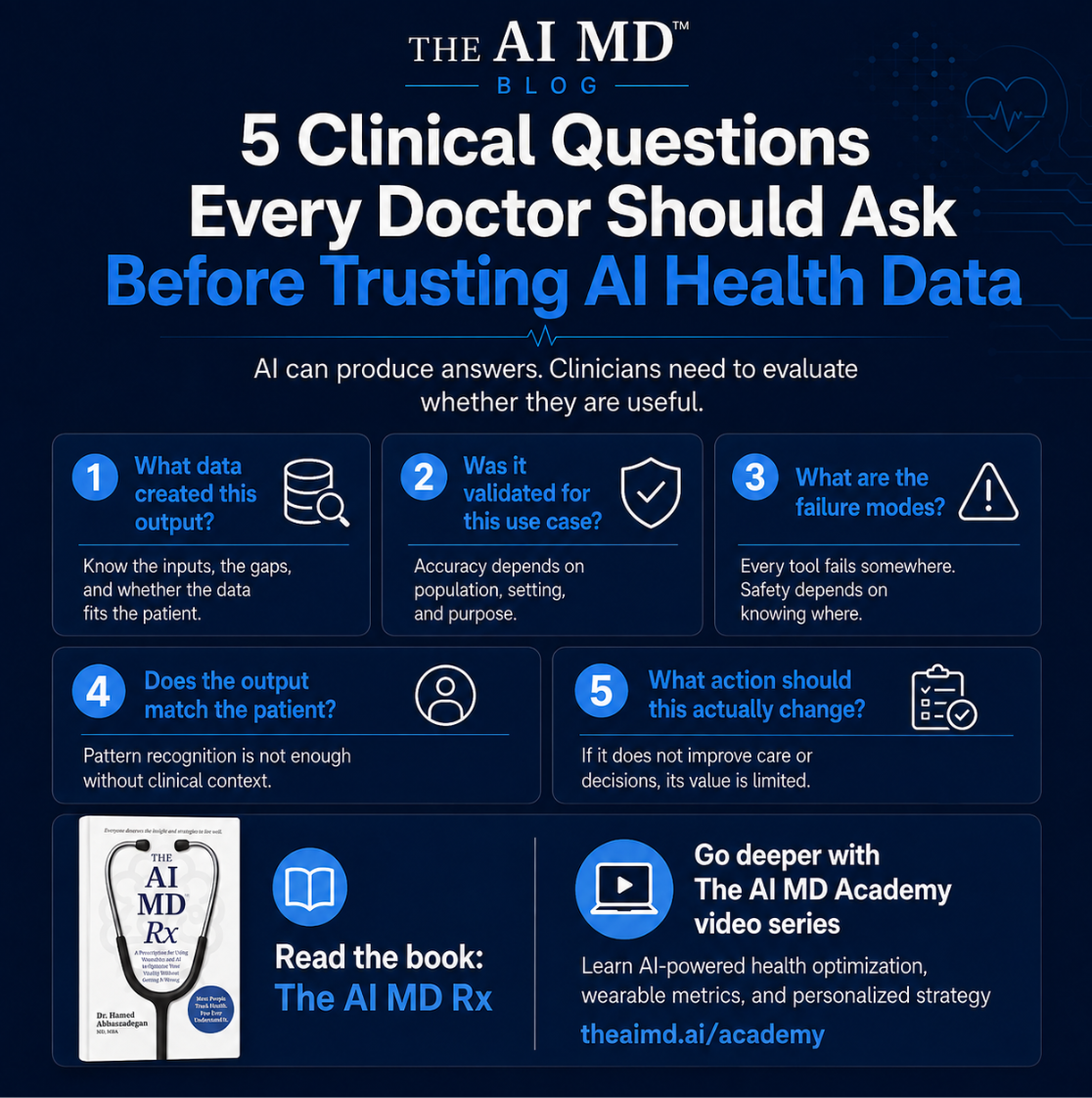
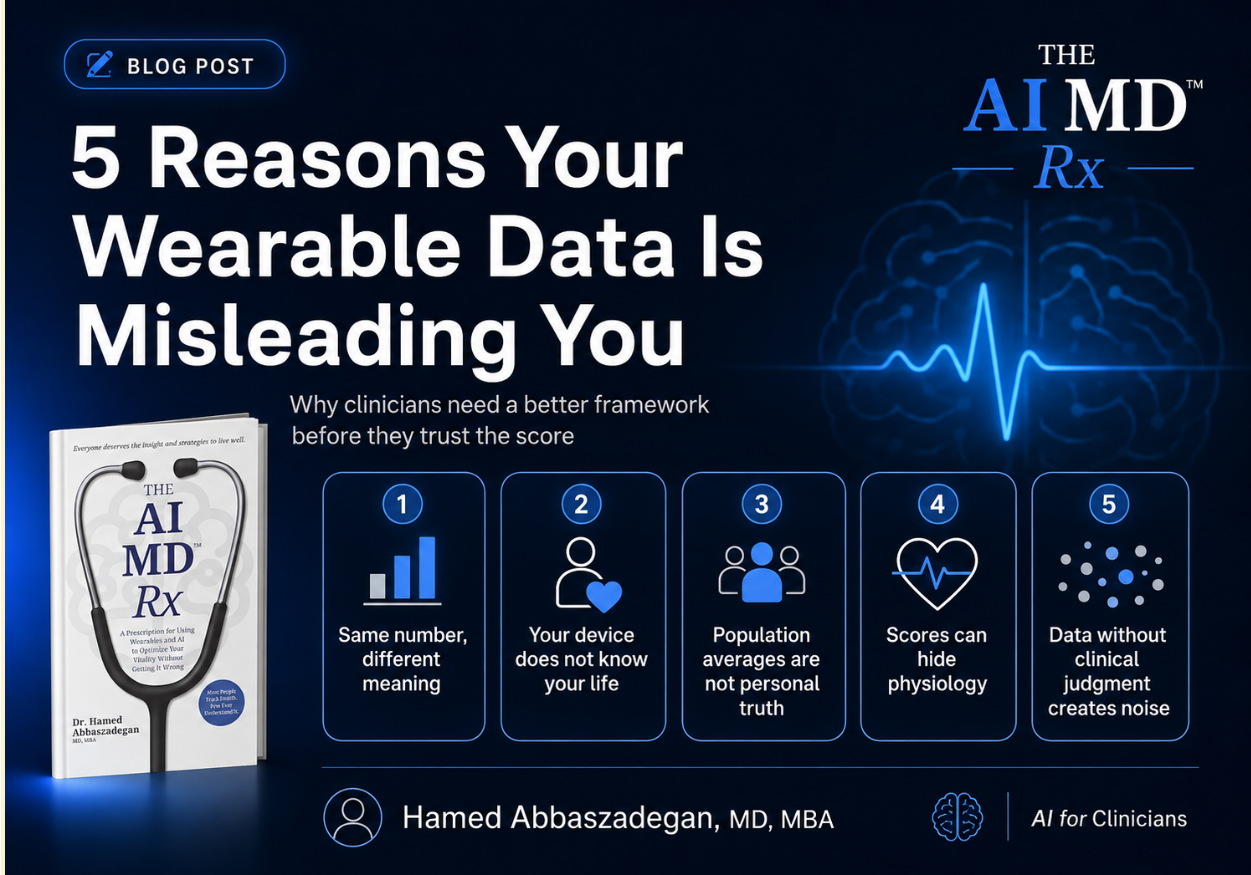
Here are five clinical questions every doctor should ask before trusting AI health data:
Every AI-generated recommendation or wearable score is built from an input or source data. Knowing the source is key to knowing what is missing, and whether the information actually applies to the patient in front of them. Simply asking this question will go a long way in vetting the AI solution.
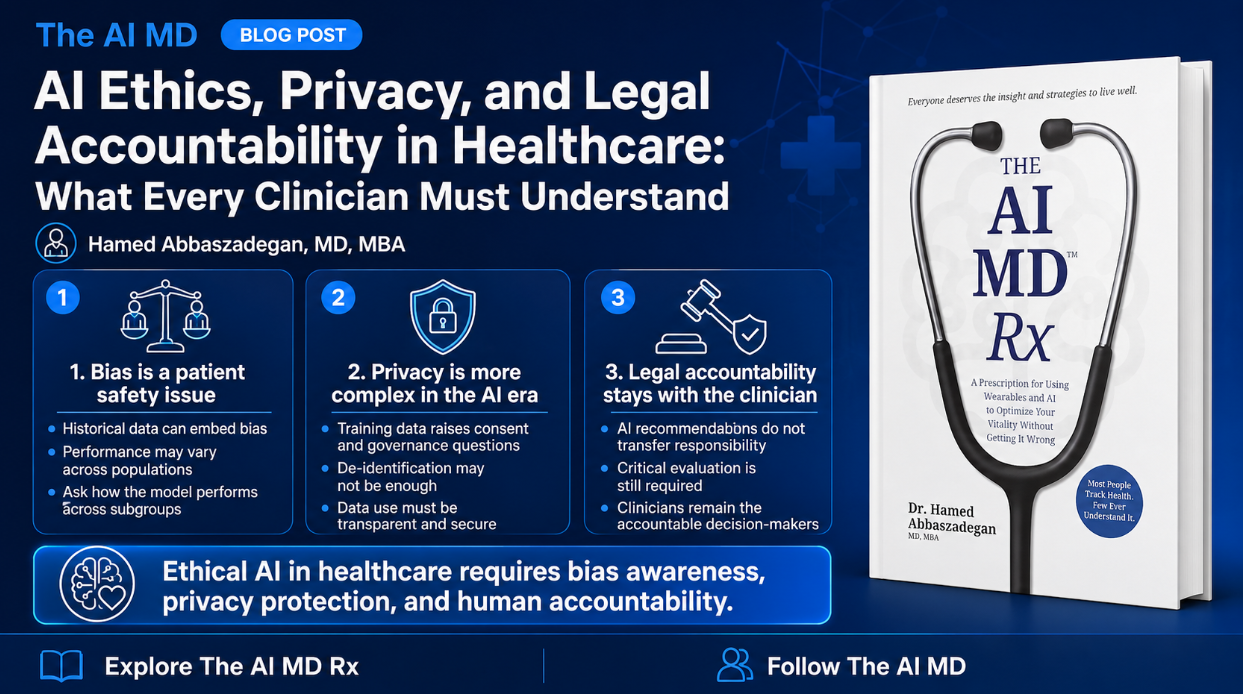
A tool that performs well in one environment may not perform well in another. This is especially true in clinical medicine. Different ages, sex, ethnicity, and disease burden can have different implications on any tech tools output. Normal ranges vary, efficacy of therapeutics can change, and expected outcomes shift. Validation matters in your domain. Patient population matters. Clinical setting matters. Use case matters. Without that context, accuracy claims are marketing not medicine.
Every tool fails somewhere. The question is whether clinicians know where, how, and why. Does the tool fail in certain populations? Does it over-detect? Does it under-detect? Does it create false reassurance or unnecessary escalation? The old saying “trust but verify” is more relevant than ever. Confidence must be built in tools, and understanding the failure modes are key to building confidence.
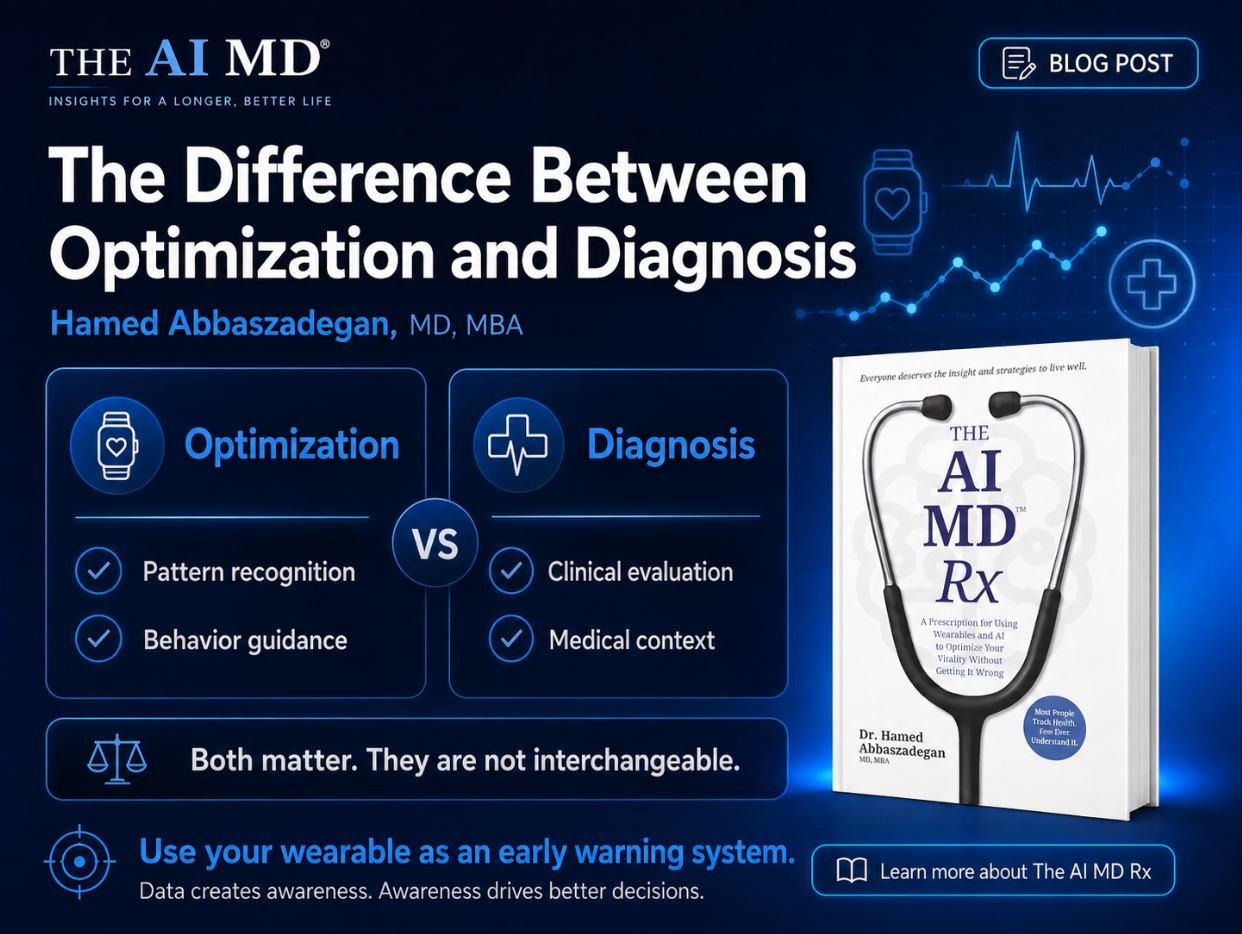
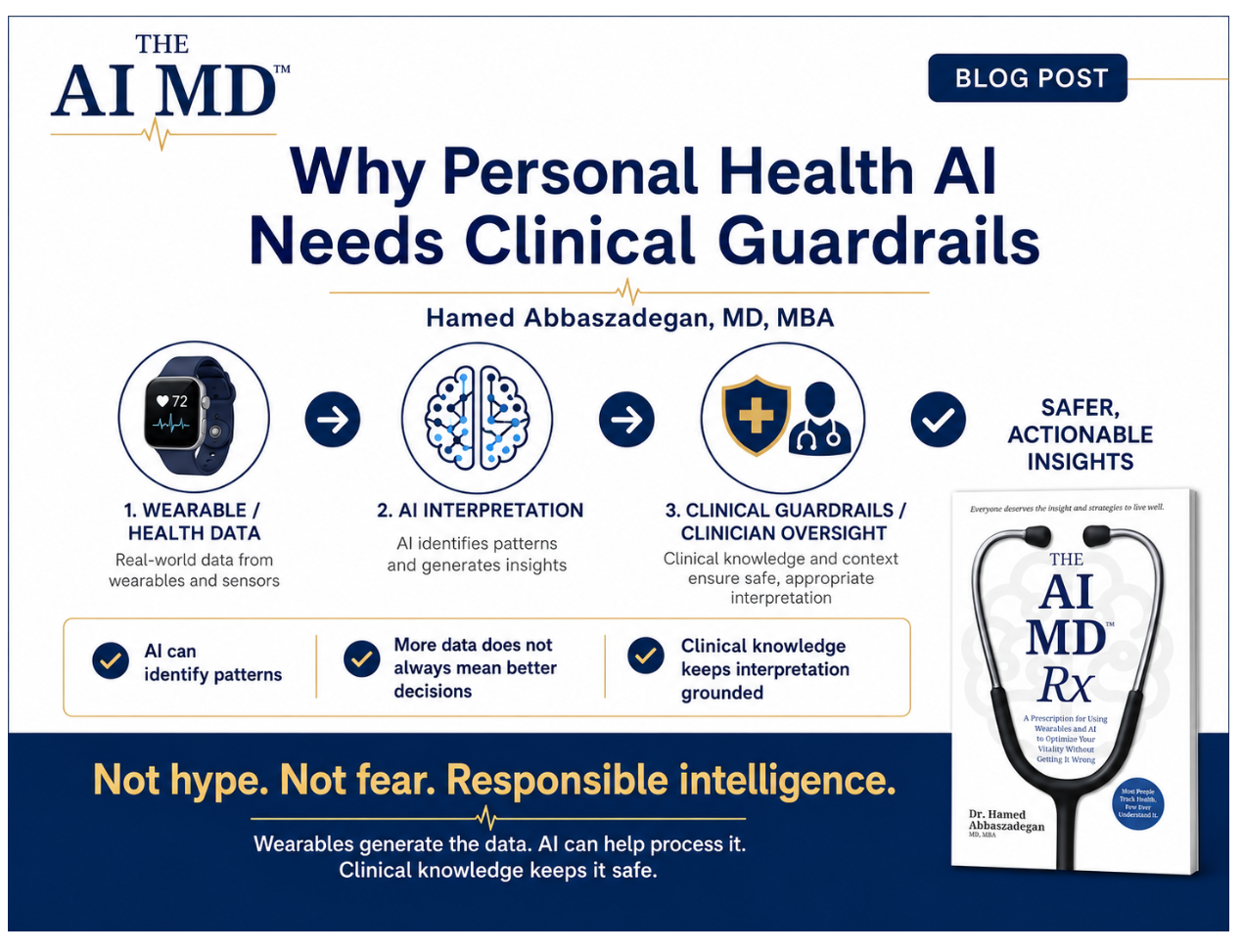
AI may flag a pattern and a wearable may show a trend, but the clinician still needs to ask whether the output fits the patient’s clinical syndrome. Medicine is not just pattern recognition, it is contextual judgment. This exact point is how AI has created more noise in clinical settings leading to a surge in demand for clinical interpretation. There must be caution with matching outputs to people.
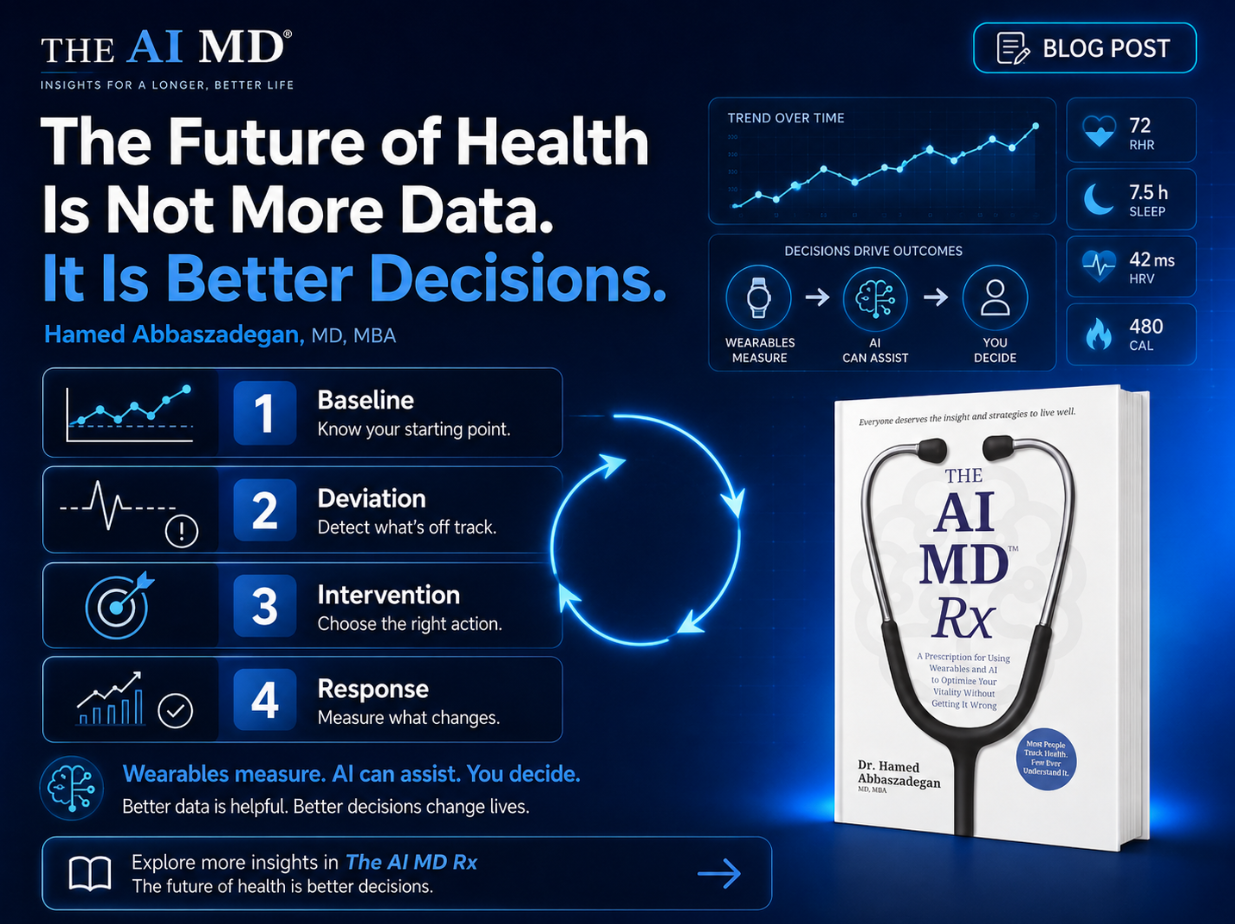
If an AI output does not change a decision, clarify risk, improve workflow, or support patient care, its value is limited for healthcare. More information is not always better. Insight into appropriate clinical changes leads to better interpretation and appropriate actions.
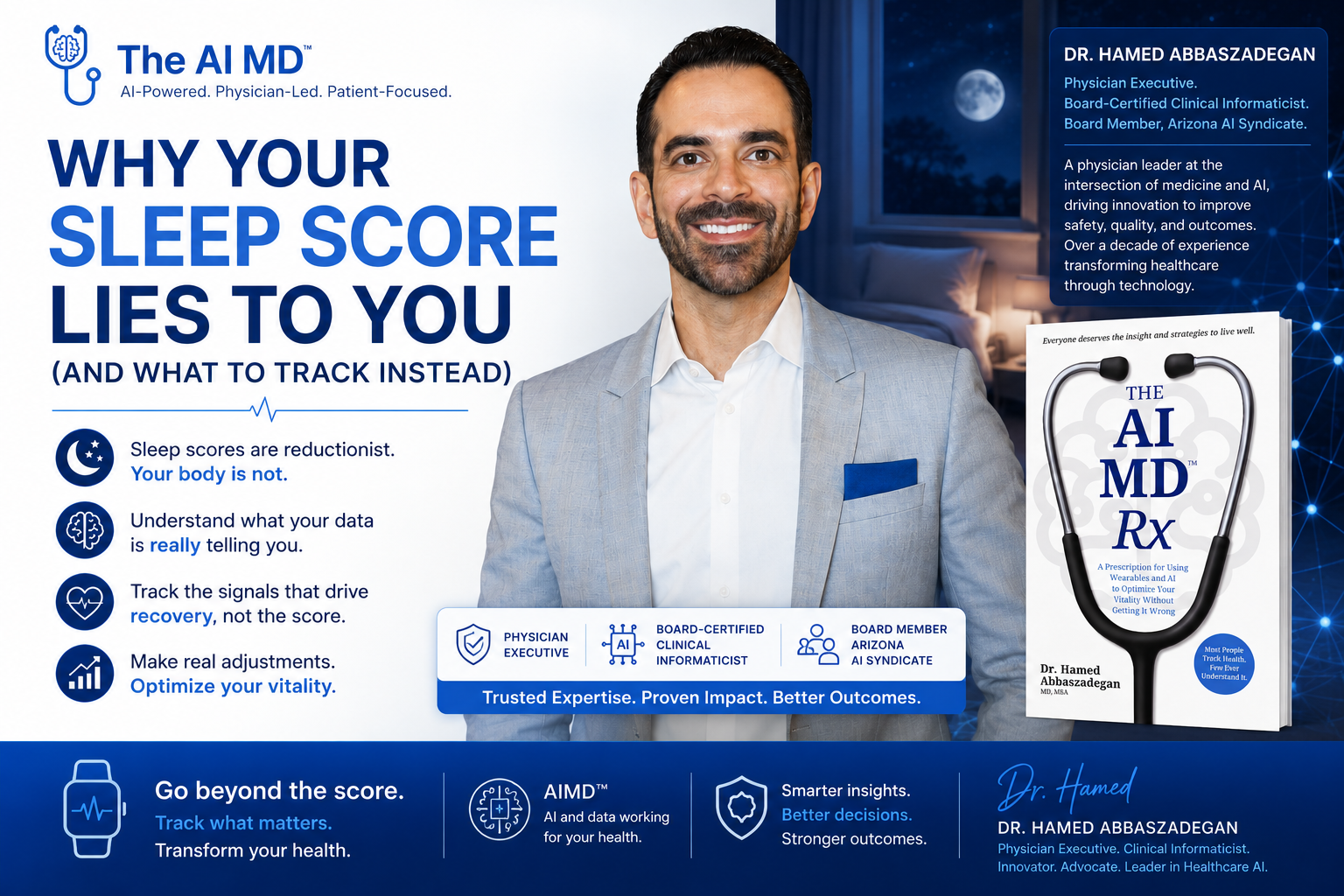
Ready to move beyond the score?
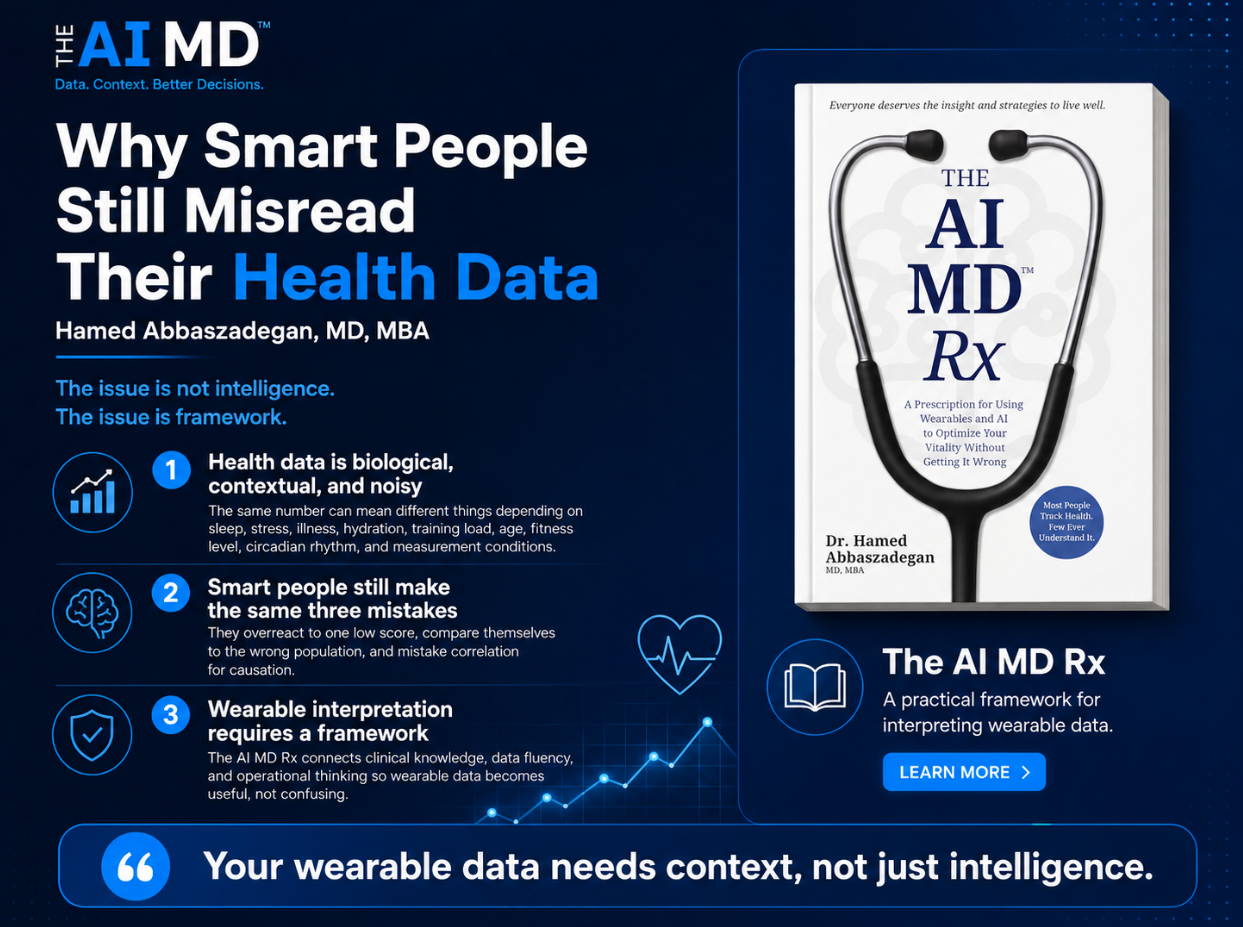
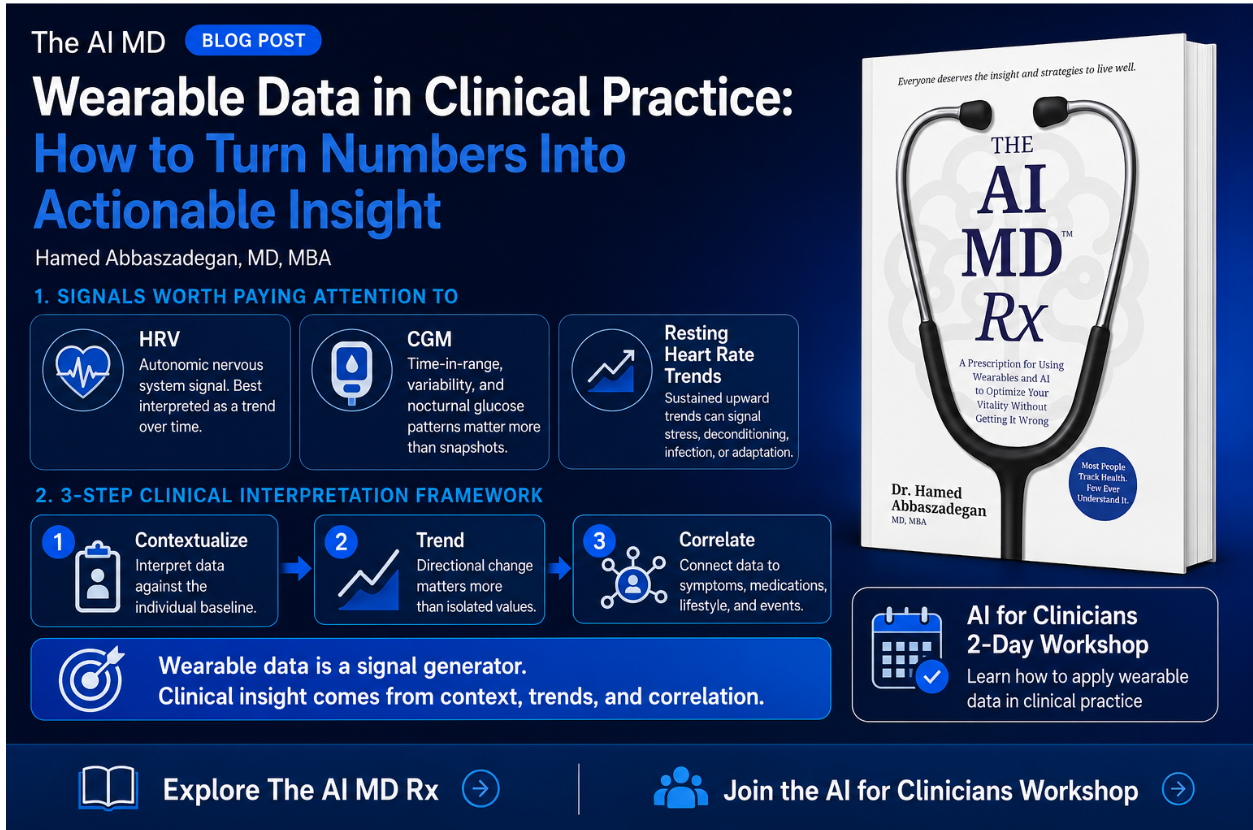
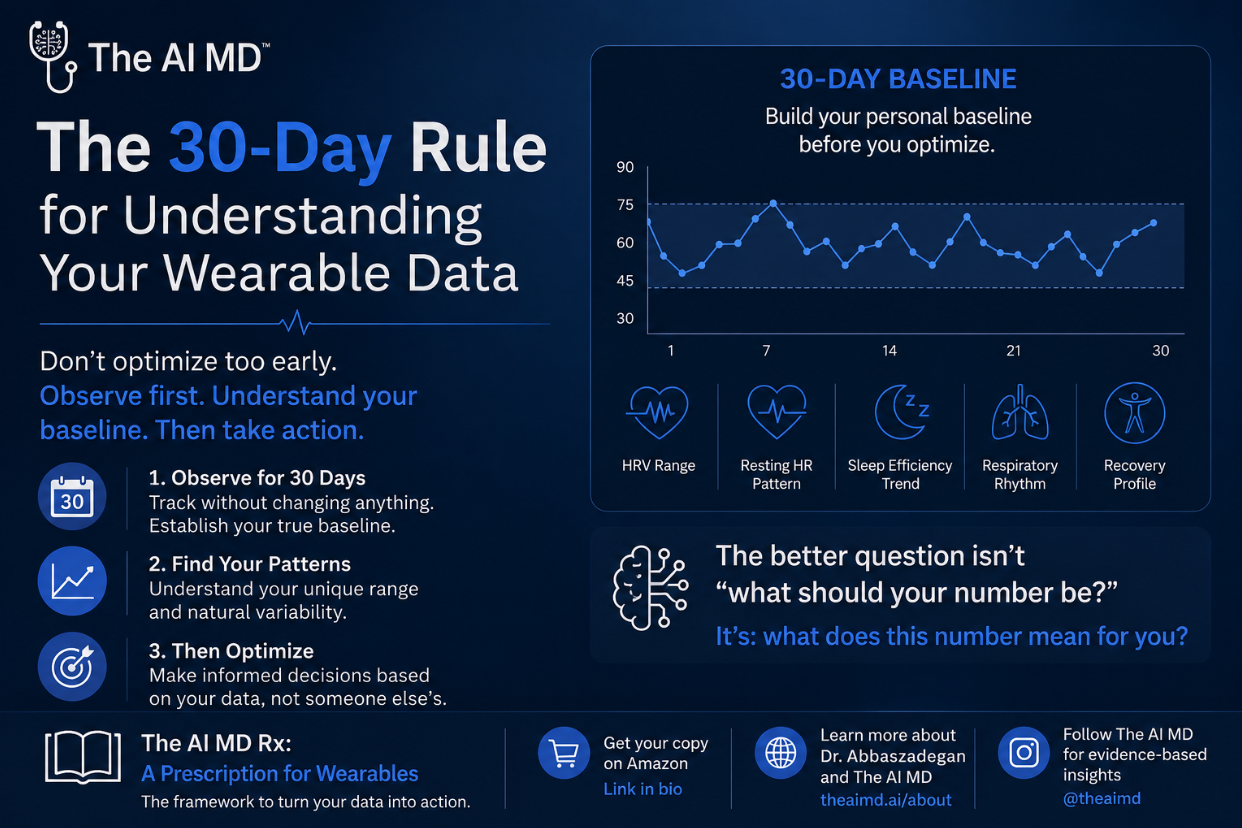
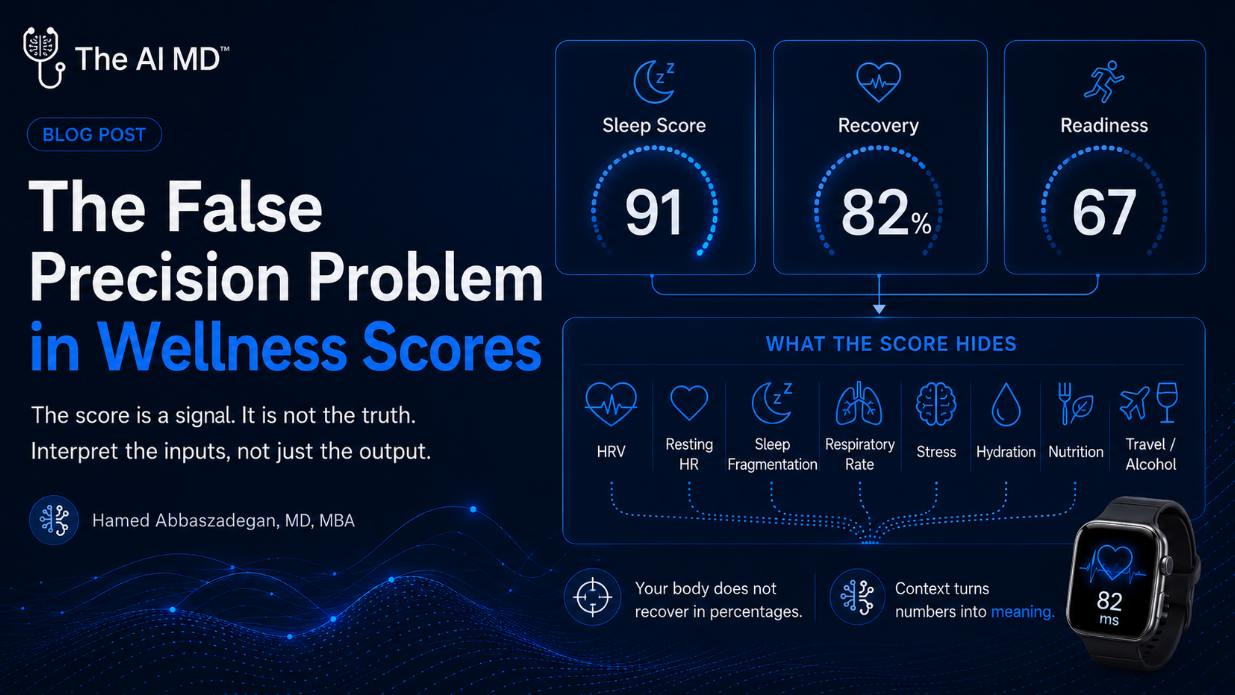
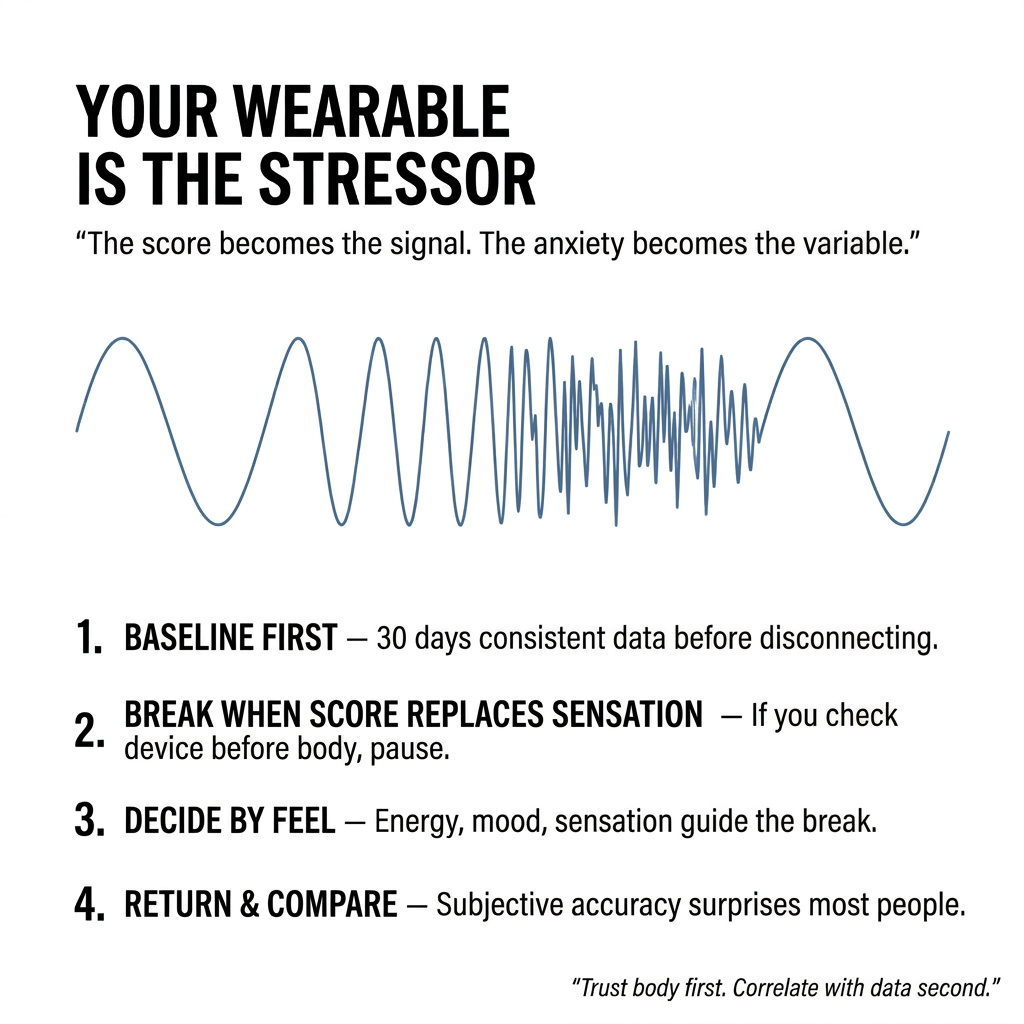
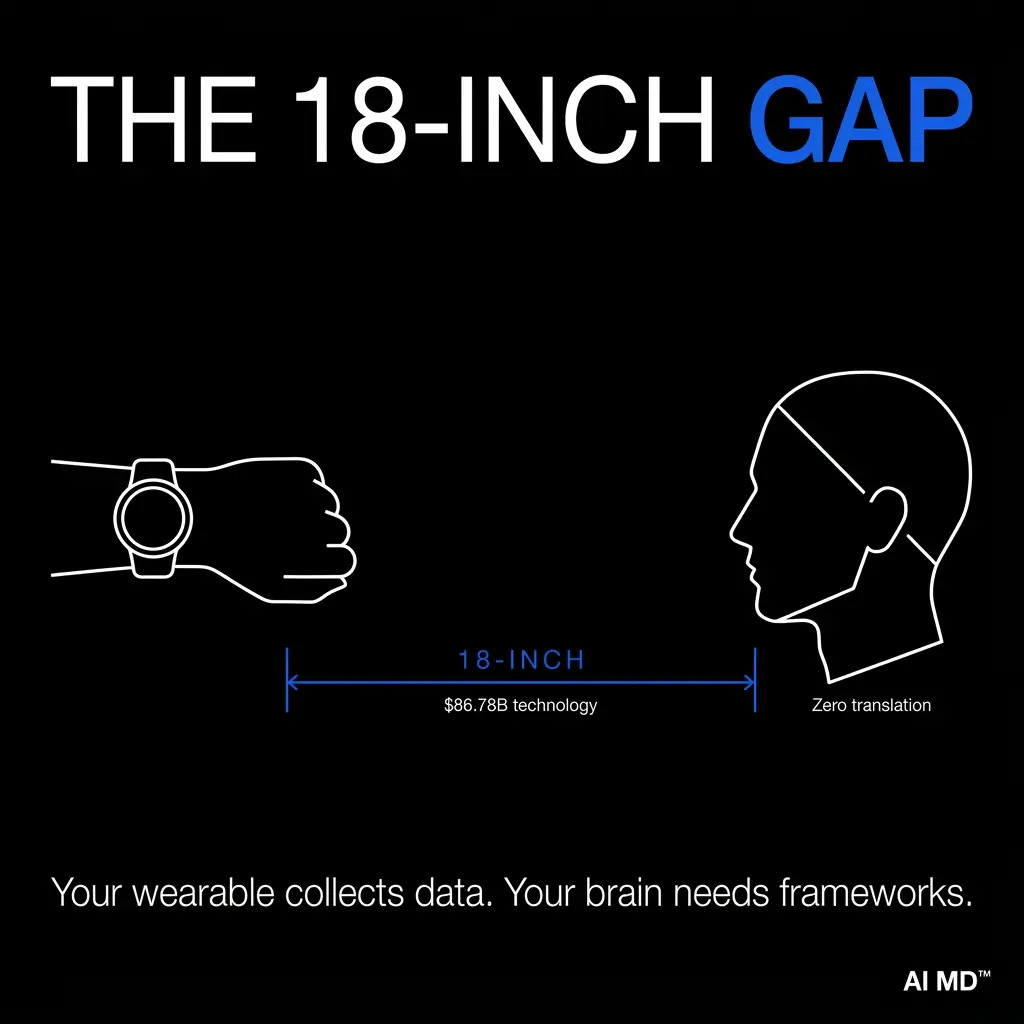
Your wearable is collecting data every day, but the real value comes from knowing how to interpret it. Sleep, HRV, resting heart rate, recovery, respiratory rate, and other health metrics are only useful when you understand your personal baseline, recognize meaningful trends, and know what actions make sense.
The AI MD™ helps you turn health data into clearer decisions.
📖 Start with the book:
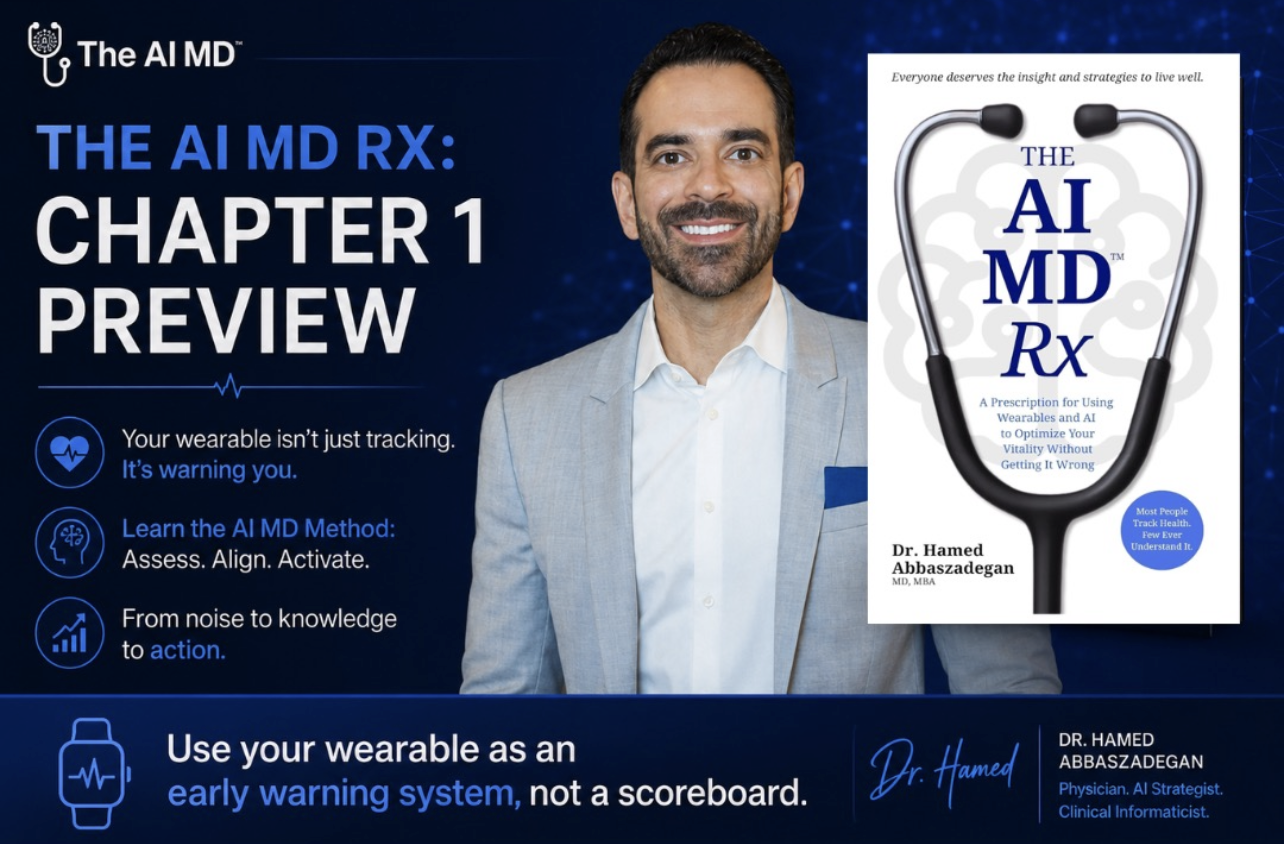
Get The AI MD Rx: A Prescription for Using Wearables and AI to Optimize Your Vitality Without Getting It Wrong and learn the framework for making sense of your wearable data.
https://www.amazon.com/AI-MD-Rx-Prescription-Wearables/dp/B0H38BTM83
🎥 Go deeper with the Academy:
Enroll in The AI MD™ Academy video series to learn how to apply AI-powered health optimization, interpret key wearable metrics, and build a personalized strategy for sleep, recovery, energy, performance, and long-term vitality.
https://theaimd.ai/academy
🌐 Explore more articles and learn more:
Read more insights on AI, wearables, digital health, longevity, and the future of medicine.
https://theaimd.ai
Your data is only the beginning.
The framework is what turns it into action.
#AIForClinicians #TheAIMD #WearableTechnology #HealthcareAI #ClinicalInformatics #DigitalHealth #HealthData #ResponsibleAI #MedicalEducation #CME




%20(1880%20x%20940%20px)%20(3%20x%204%20in)%20(1).png)


.png)


Stay Connected
If you’d like these insights delivered straight to your inbox, you can sign up below. You’ll receive evidence-based perspectives on AI in healthcare, practical implementation guidance, and updates on speaking engagements and media appearances.