
Hamed Abbaszadegan, MD, MBA

July 10, 2026
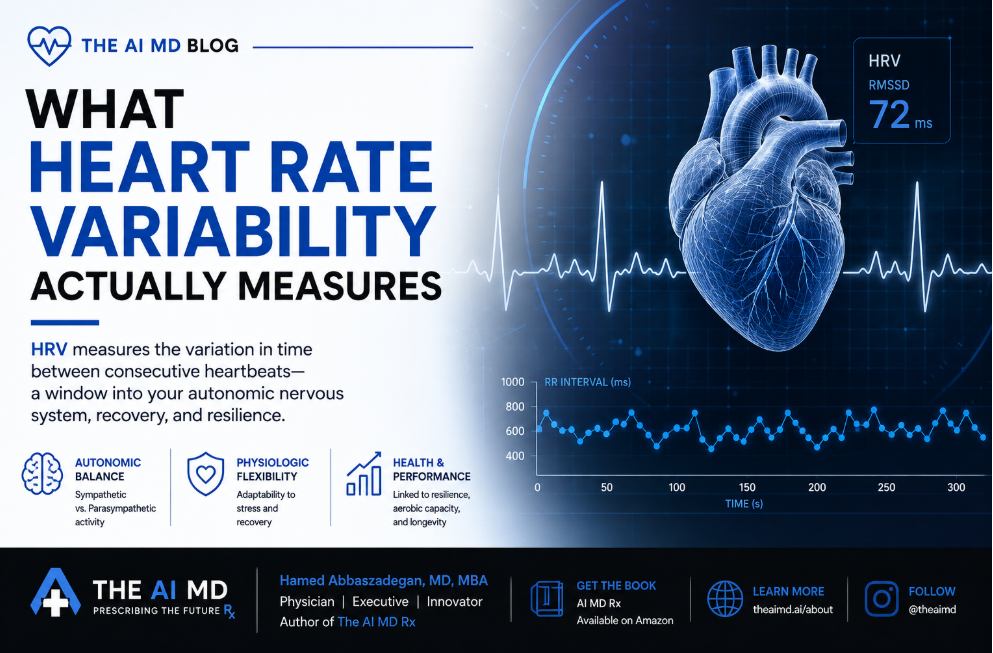
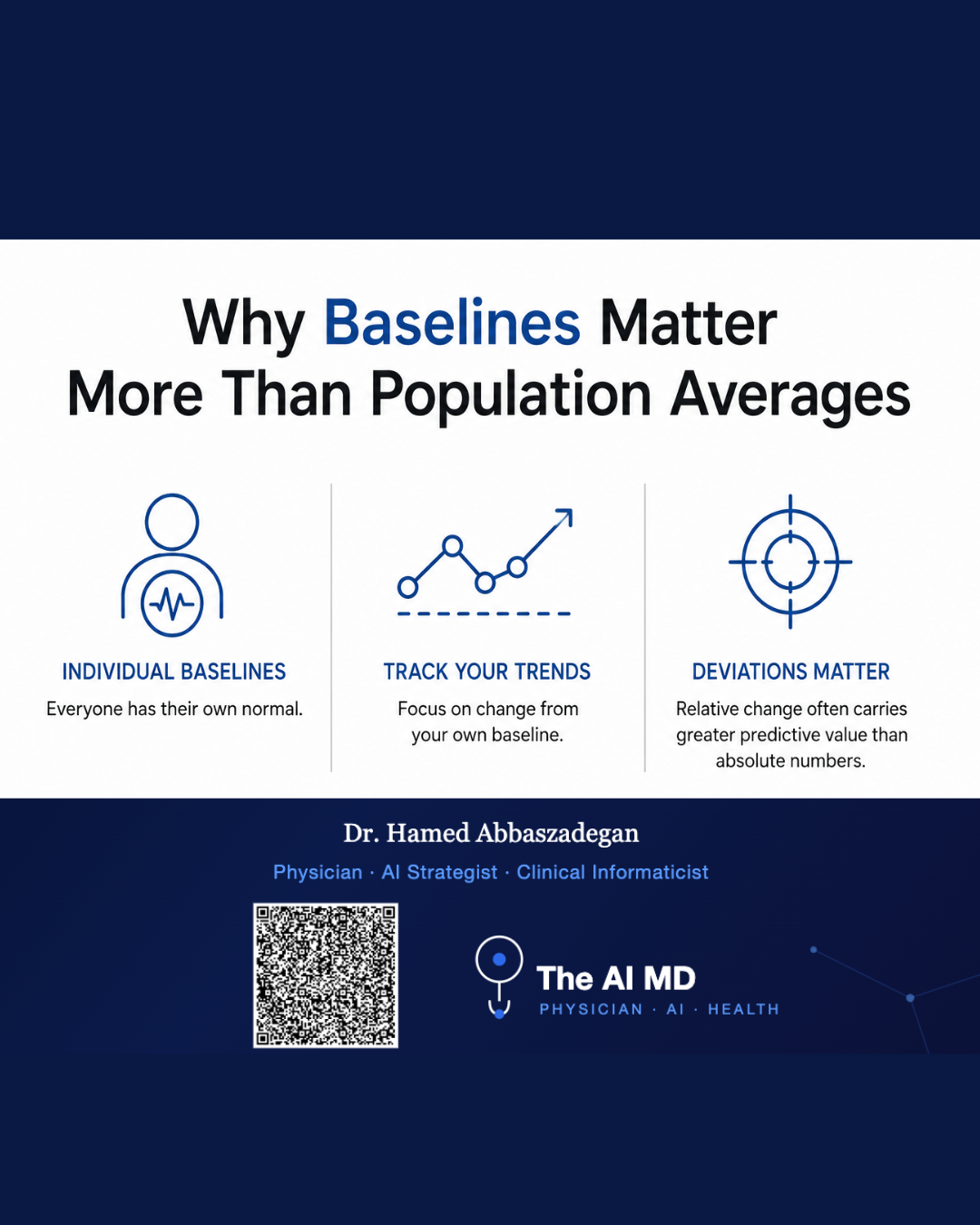
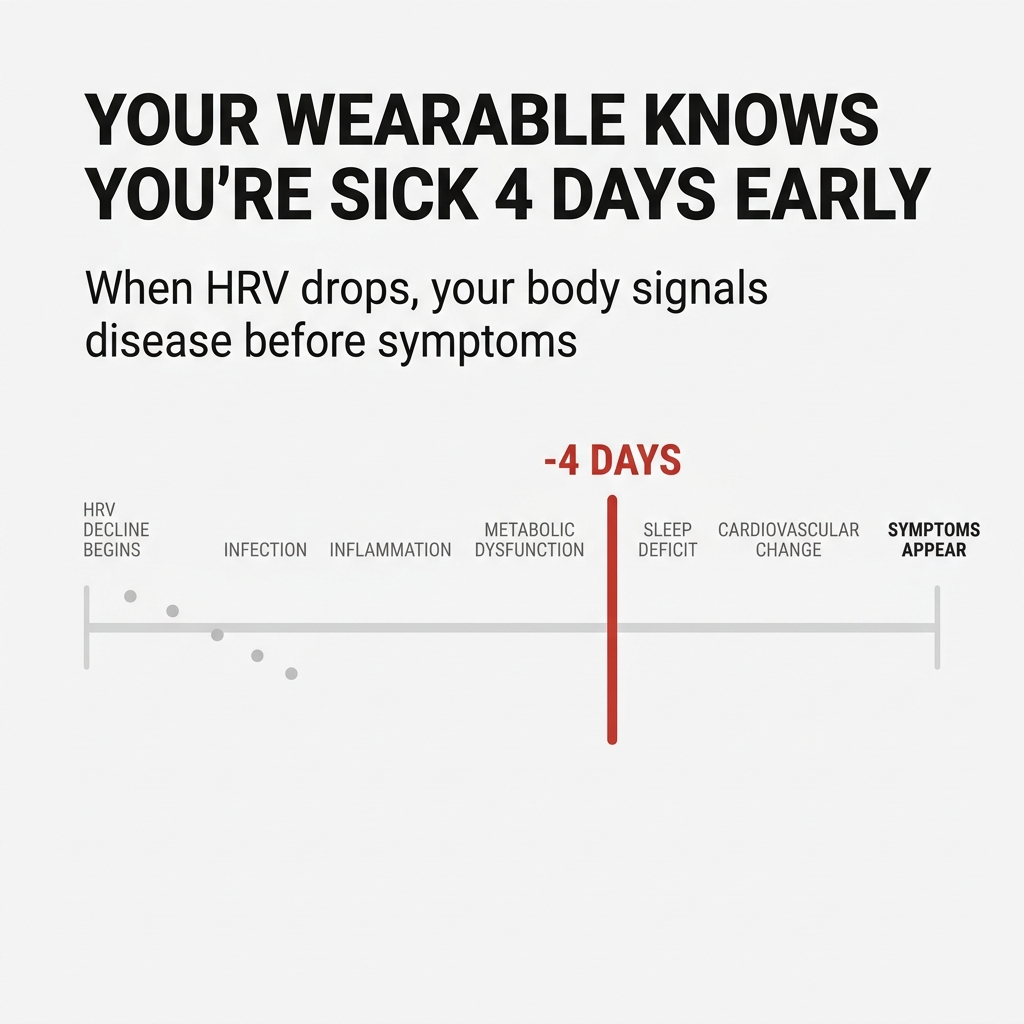
Heart rate variability measures the variation in time between consecutive heartbeats. A healthy heart does not beat with the mechanical regularity of a metronome. It fluctuates rhythmically in response to breathing, neural input, and autonomic nervous system activity. That is why it is so difficult to understand.
We grew up our whole lives understanding heart beats/heart rates and now we are told variability amongst our consecutive heartbeats is what gives us insight into our bodies signals. On top of that, you have to understand how your autonomic nervous system plays into this as the true controller of your heart rate variability. I can tell you that many clinicians barely understand this phenomenon, so how can we expect others to understand it?
This is where The AI MD Rx education comes into play. important. Higher variability generally reflects greater autonomic flexibility, meaning your nervous system is capable of rapidly shifting between sympathetic activation and parasympathetic recovery in response to demand.
This adaptability is associated with cardiovascular resilience, stress tolerance, and aerobic capacity, which is why HRV has become a widely used proxy for recovery readiness in athletic and clinical populations. Want to understand this better for yourself?
Check the links below:
📖 Get your copy on Amazon:
https://www.amazon.com/AI-MD-Rx-Prescription-Wearables/dp/B0H38BTM83
🌐 Learn more about Dr. Abbaszadegan and The AI MD:
https://theaimd.ai/about
📲 Follow The AI MD for evidence-based insights on AI, digital health, wearable technology, longevity, and the future of medicine:
https://www.instagram.com/theaimd/













%20(1880%20x%20940%20px)%20(3%20x%204%20in)%20(1).png)



.png)




Stay Connected
If you’d like these insights delivered straight to your inbox, you can sign up below. You’ll receive evidence-based perspectives on AI in healthcare, practical implementation guidance, and updates on speaking engagements and media appearances.