
By Dr. Hamed Abbaszadegan

March 10, 2026

Stay ahead of the curve with our curated library of articles, guides, and thought leadership on AI in healthcare. From wearable technology to clinical decision support, The AI MD™ makes complex topics understandable and actionable.
Healthcare has always been data driven. Every diagnosis, treatment plan, and care pathway depends on information gathered from patient histories, laboratory results, imaging studies, and clinical experience. Yet the volume and complexity of healthcare data has expanded far beyond what any individual clinician can fully process in real time.
This is where artificial intelligence is beginning to reshape clinical decision support.
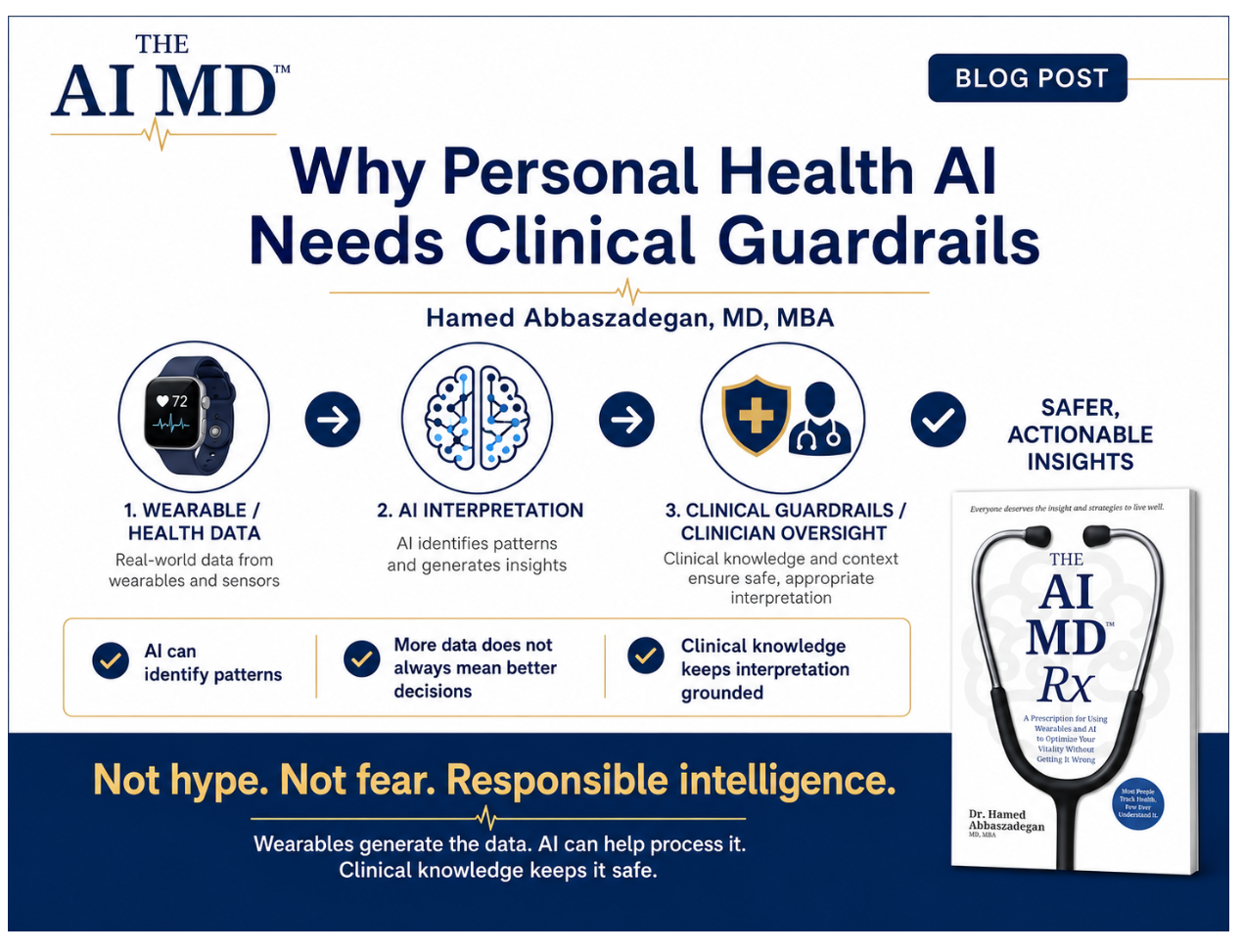
AI-powered decision tools are designed to analyze large datasets, identify meaningful patterns, and deliver relevant insights to clinicians at the point of care. When implemented responsibly, these technologies can support faster decision making, improve diagnostic accuracy, and enhance patient outcomes.
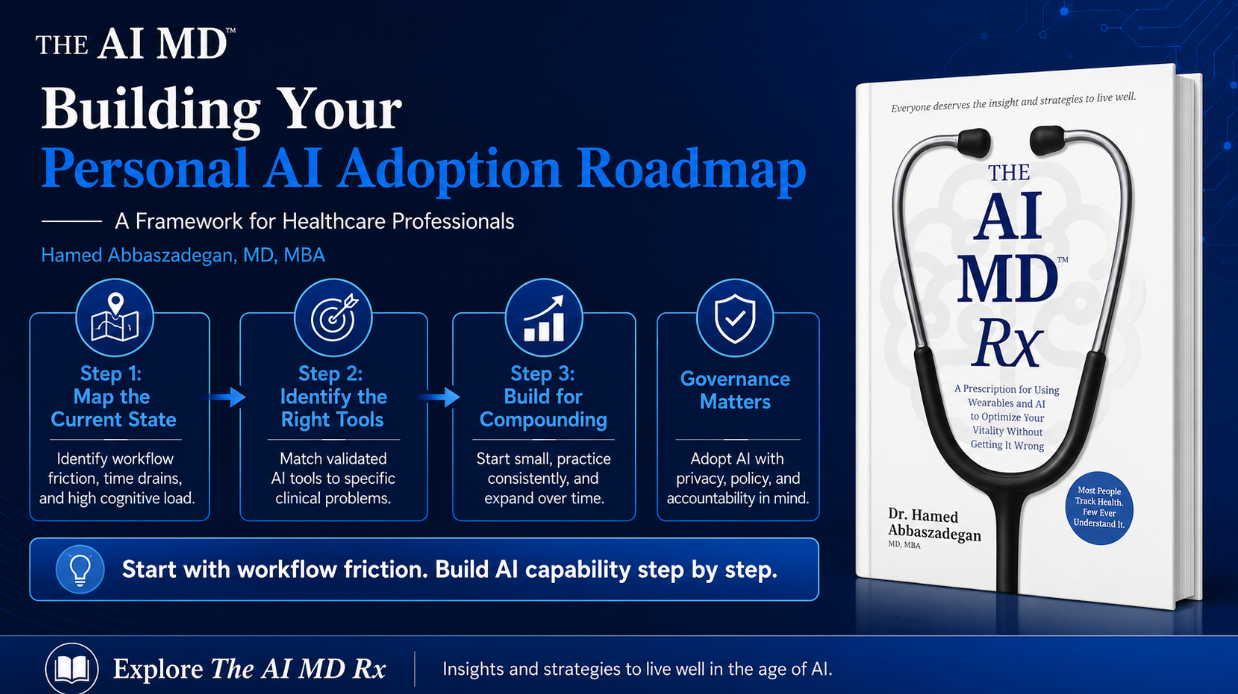
However, successful implementation requires more than advanced algorithms. It requires thoughtful integration into clinical workflows, rigorous validation, and a clear understanding of how technology should support clinicians rather than replace them.
“Artificial intelligence will not replace clinicians. It will redefine how medical decisions are informed.”
— Dr. Hamed Abbaszadegan
What Clinical Decision Support Really Means
Clinical decision support systems, often referred to as CDS, are not new to healthcare. Traditional systems have existed for decades in electronic health records, providing alerts, reminders, and guideline-based recommendations.
AI expands what these systems can do.
Instead of relying solely on predefined rules, AI-driven decision support tools can learn from large datasets and adapt over time. These systems can analyze structured and unstructured medical data to generate insights that would otherwise be difficult to detect.
Examples include:
The goal is not to automate clinical judgment. The goal is to provide clinicians with better information at the moment decisions are made.
%201.png)




%20(1880%20x%20940%20px)%20(3%20x%204%20in)%20(1).png)


.png)

Stay Connected
If you’d like these insights delivered straight to your inbox, you can sign up below. You’ll receive evidence-based perspectives on AI in healthcare, practical implementation guidance, and updates on speaking engagements and media appearances.