
The AI MD

September 4, 2026
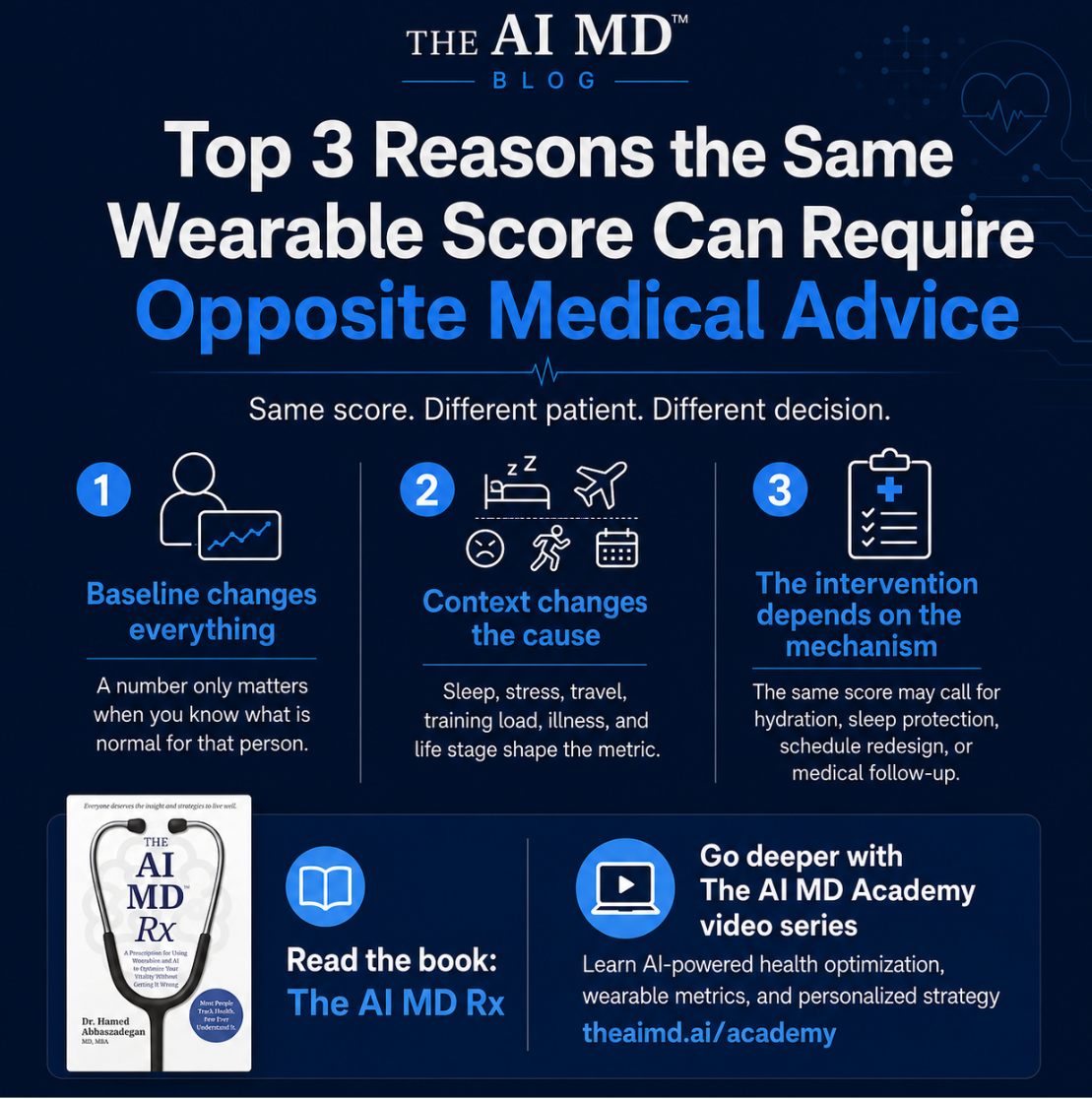
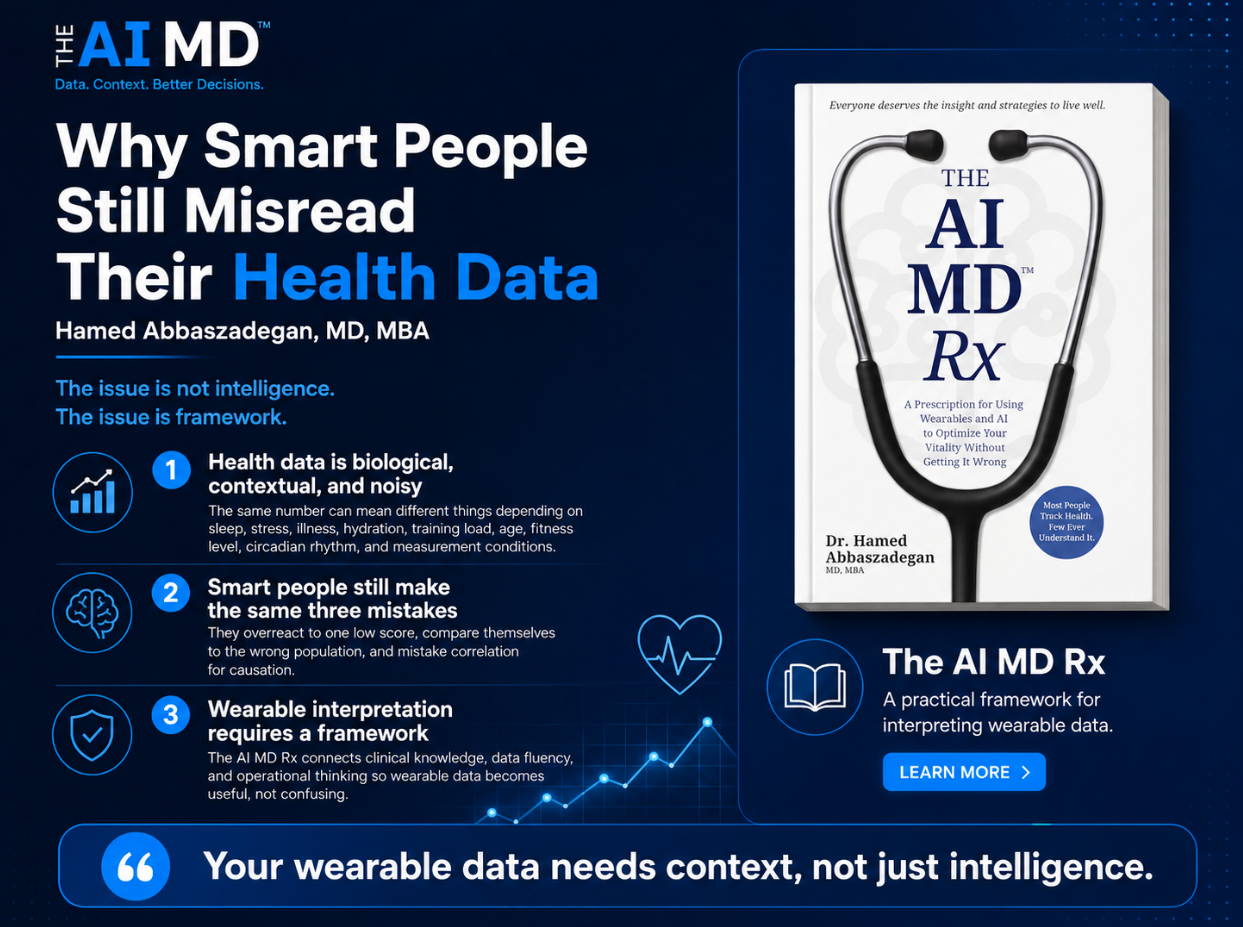
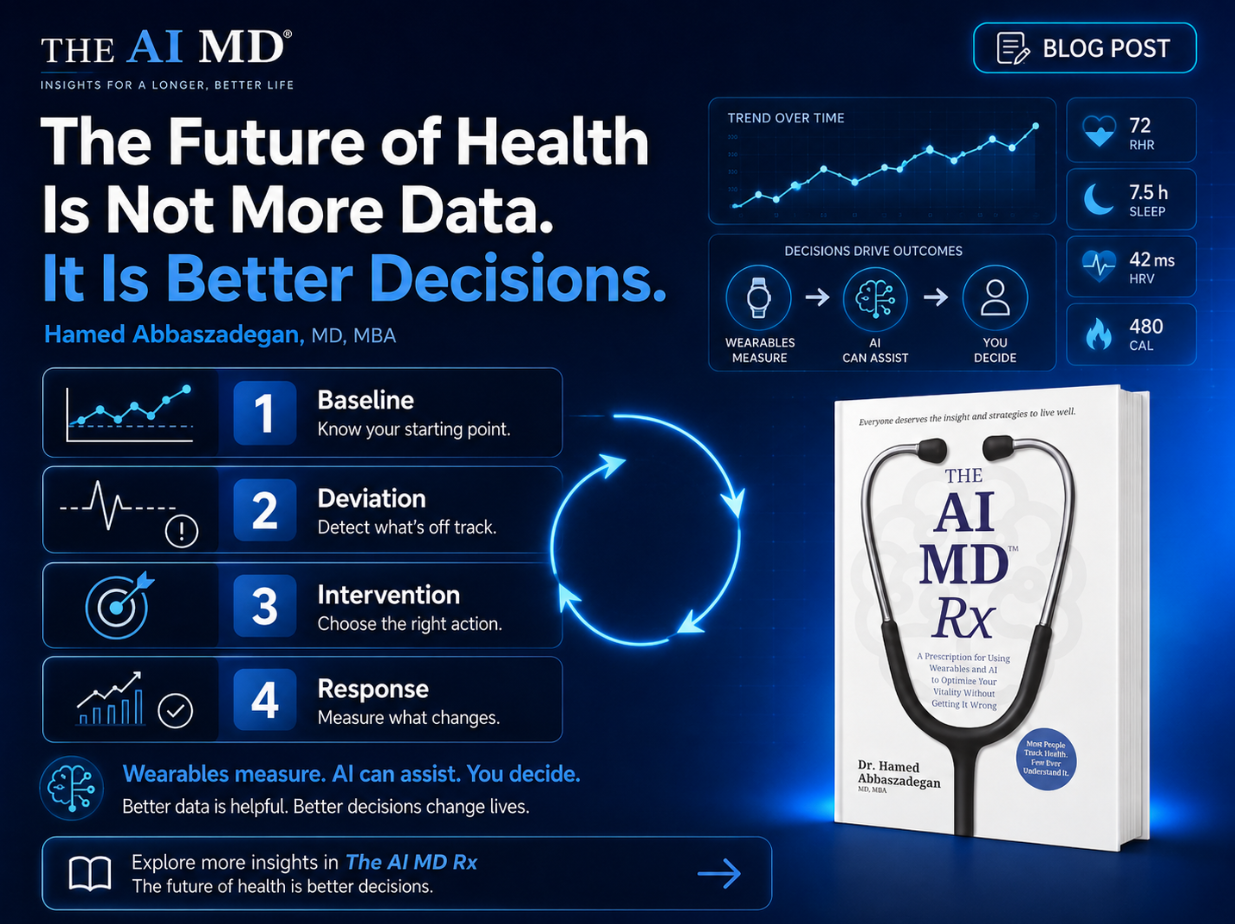
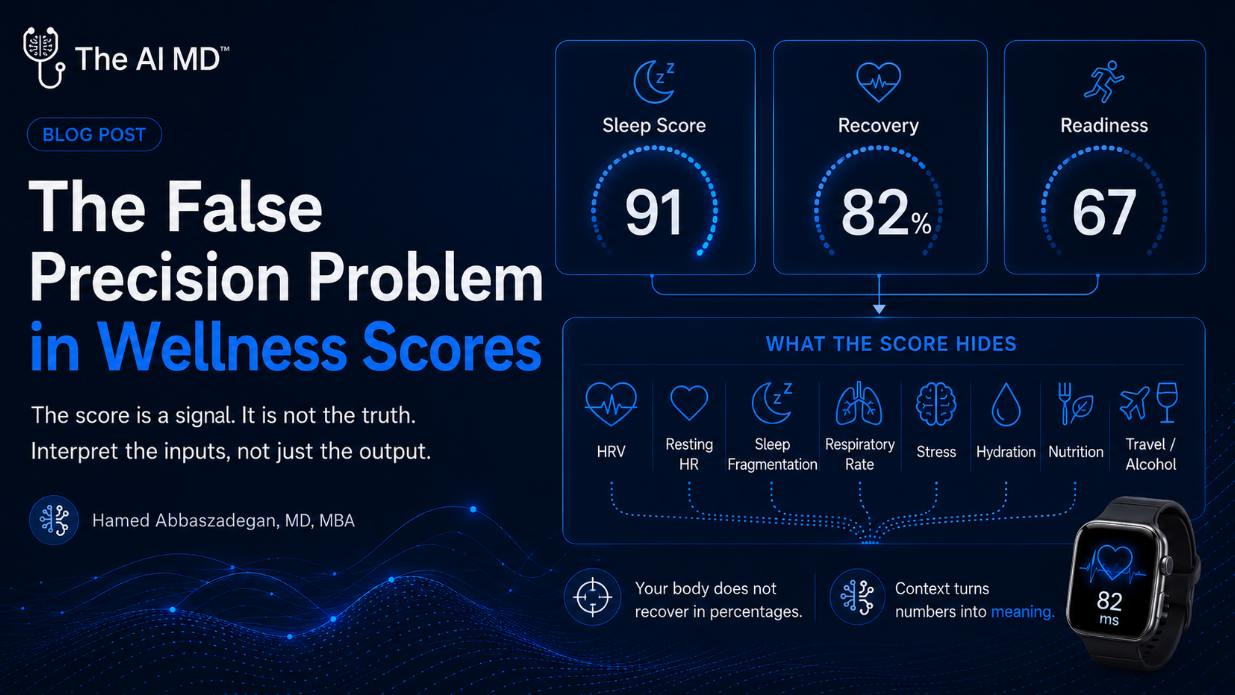
One of the biggest mistakes in wearable health is assuming that the same score means the same thing for everyone.
It does not.
A recovery score of 62 may mean one thing for a sedentary individual and something completely different for an elite athlete. Six hours of sleep may mean one thing for a new parent and something very different for a competitive athlete. A low HRV reading may mean one thing for a traveling executive and another for a shift worker.
Same raw number data for different people does not always give the same insights and can require different actions. This is a big shift from blood draw laboratory results where most people fit into a range of “normal”.
Here are the top three reasons why:
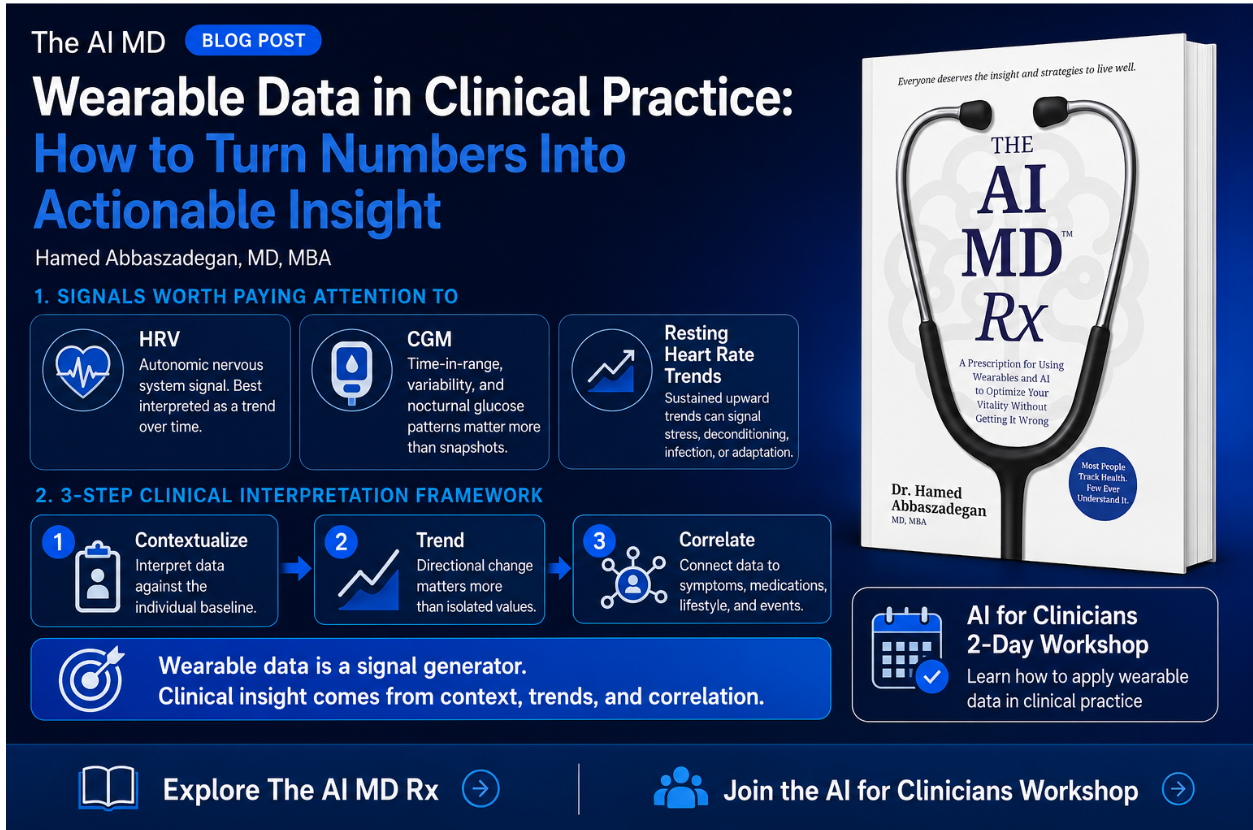
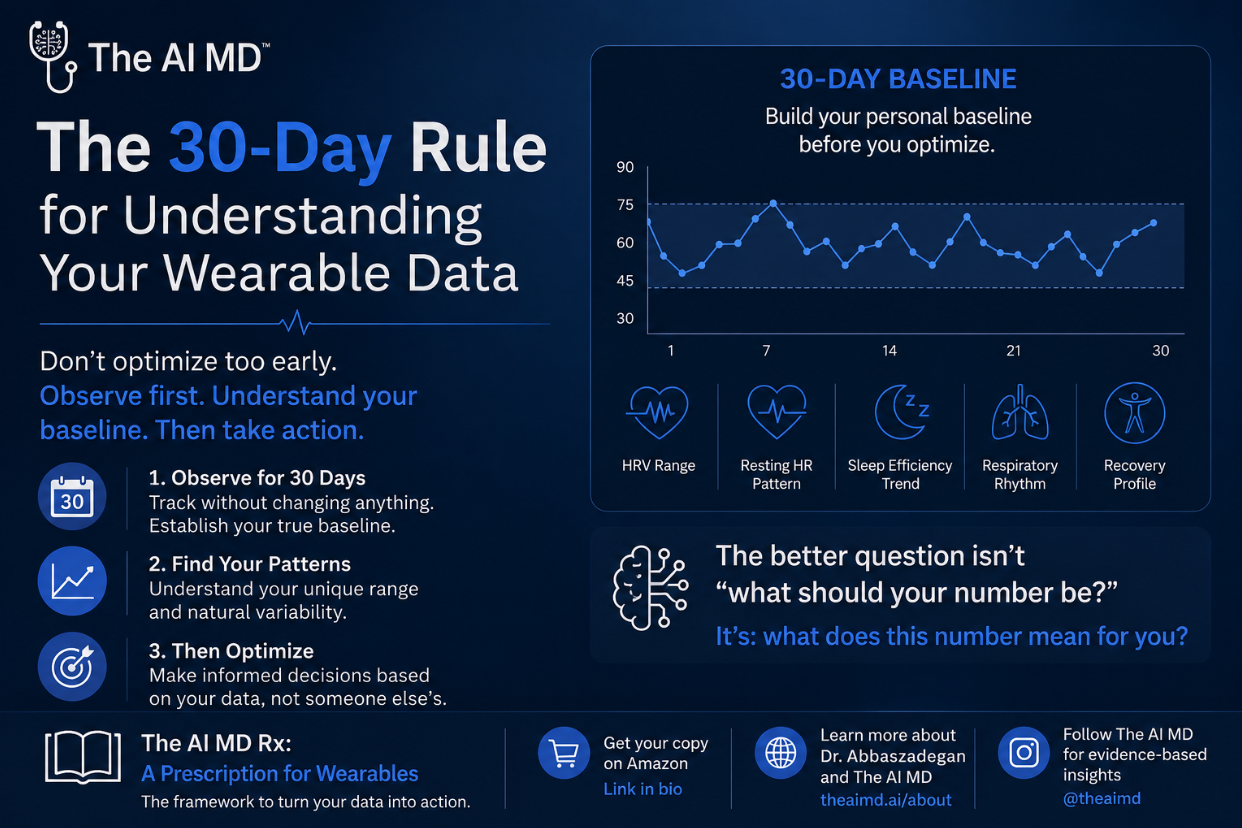
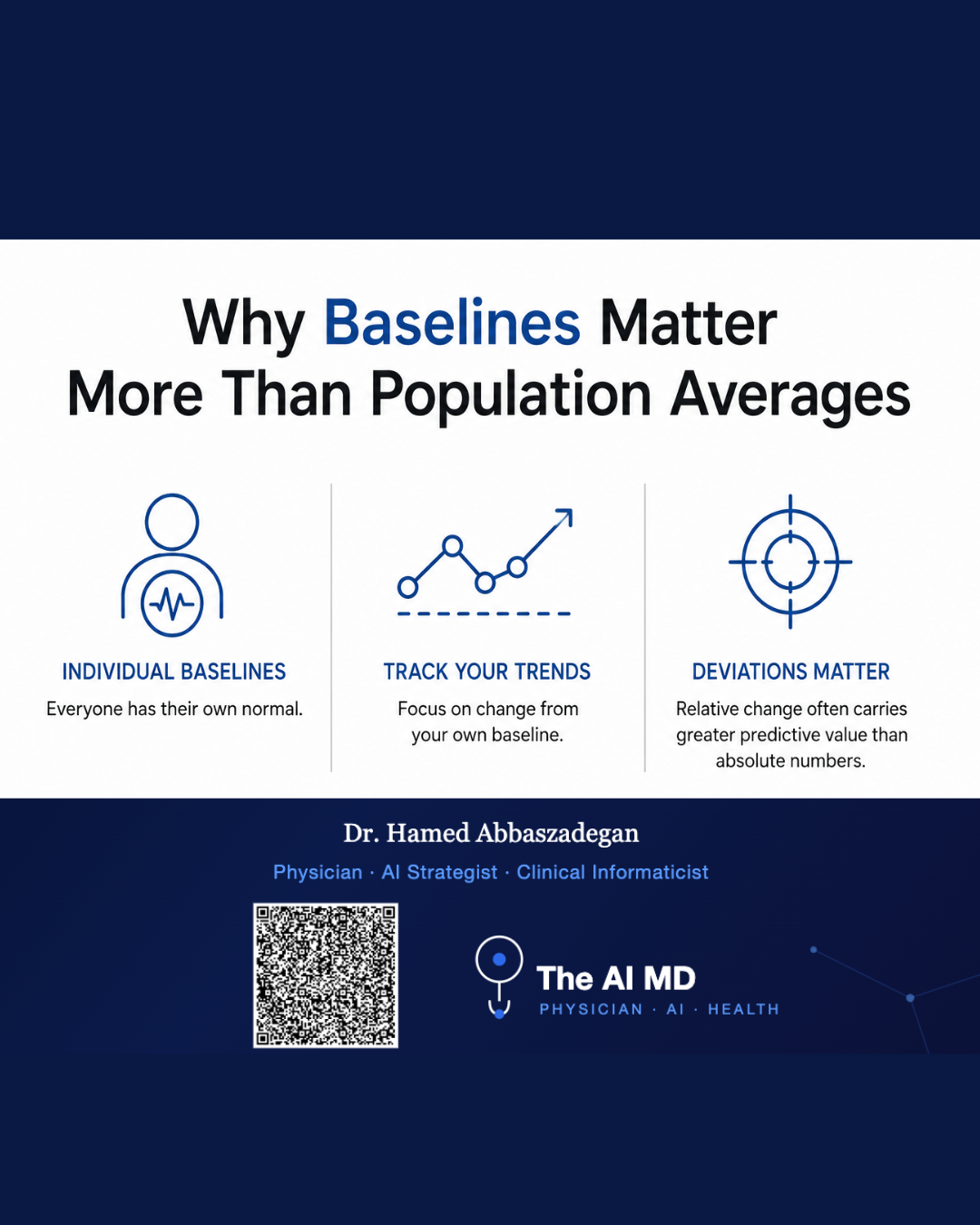
A number only becomes meaningful when you know what is normal for that person. We are all unique and our wearable metric data is just as unique to each individual. A resting heart rate of 62 may be normal for one patient, improved for another, and concerning for someone whose baseline is usually much lower.
Clinical interpretation starts with baseline, not population averages.
Wearable metrics are shaped by sleep, stress, travel, training load, alcohol, meals, illness, medications, shift work, hormonal changes, age, and stages in life.
A low recovery score after night shift work is not the same as a low recovery score after overtraining.
A six-hour sleep night for a new parent is not the same as a six-hour sleep night for an athlete in peak training.
The number is the output. The patient’s life is part of the input. Knowing what is at play is a reassurance in itself.
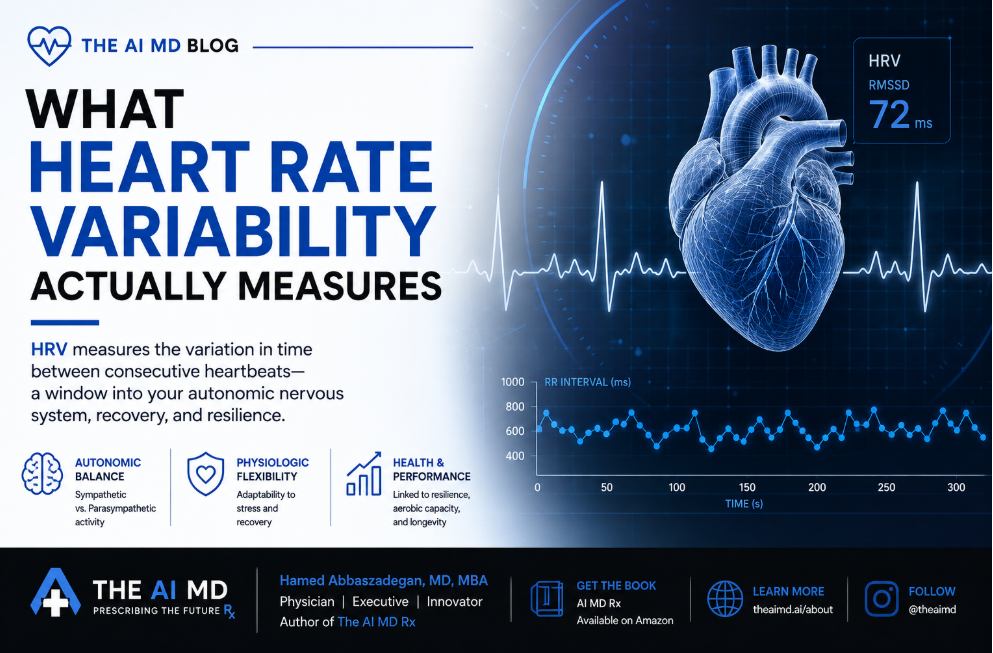
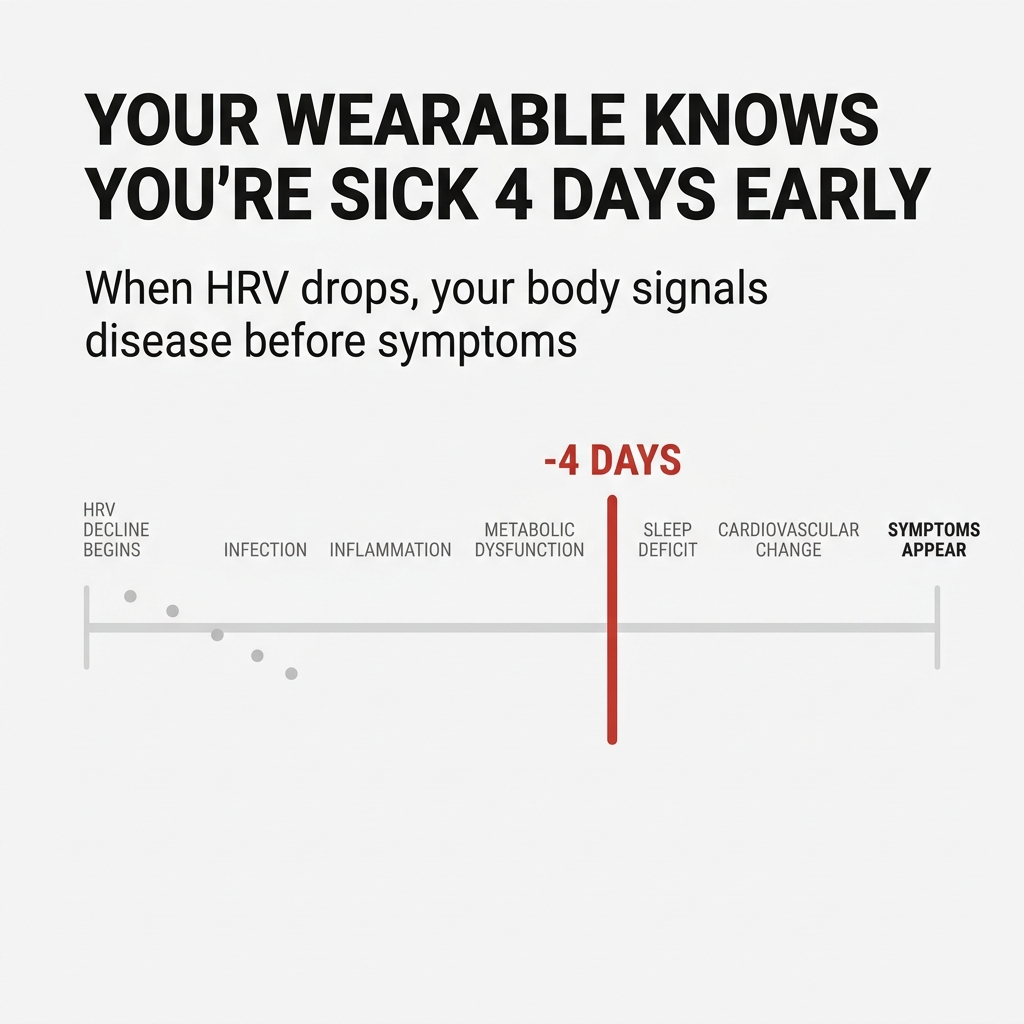
The same HRV drop may require hydration and active recovery for one person, schedule redesign for another, sleep protection for another, and medical follow-up for someone else due to impending illness.
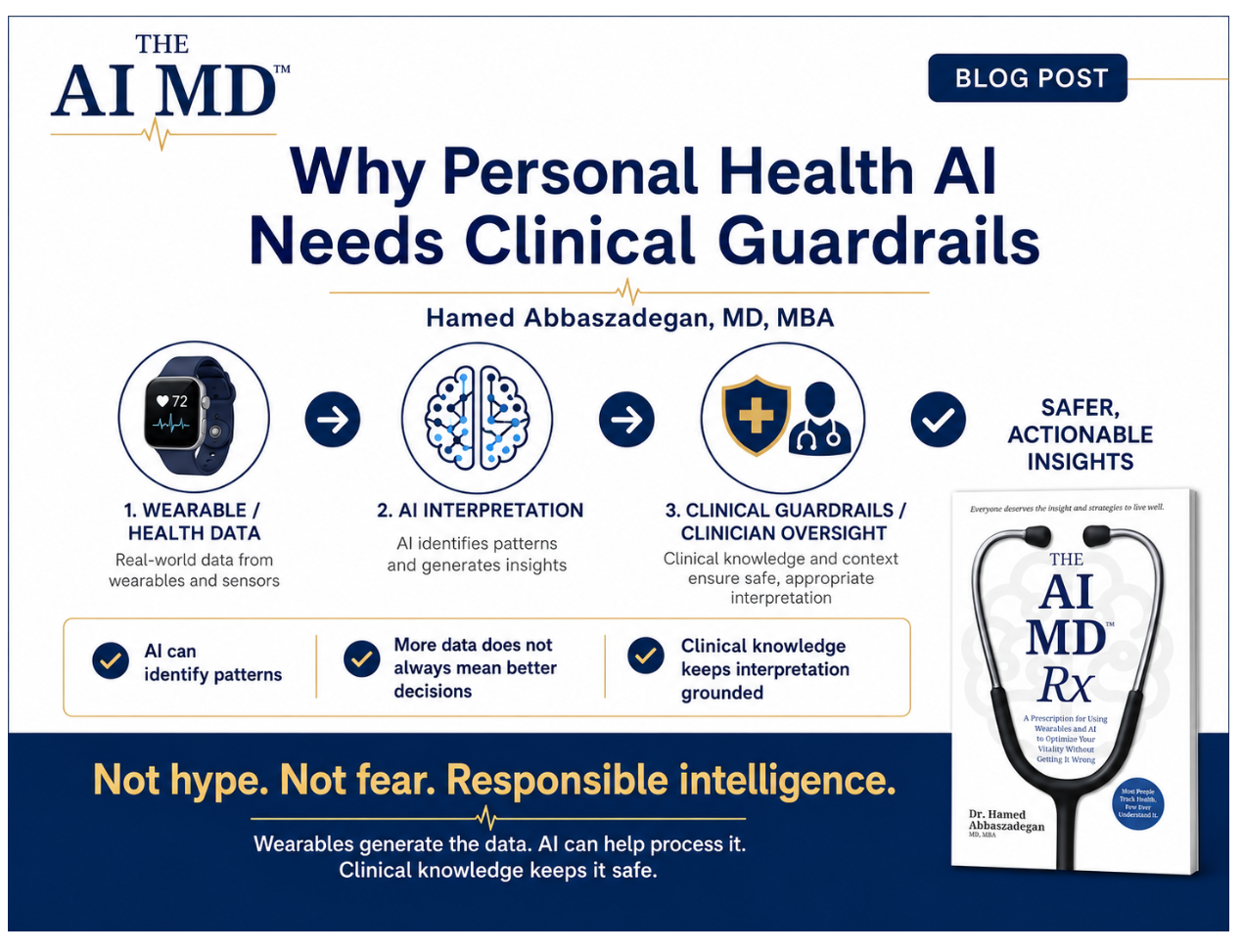
This is why wearable interpretation requires critical and clinical thinking. The good news is that you can learn interpretation and become a data scientist for your own body.
Ready to move beyond the score?
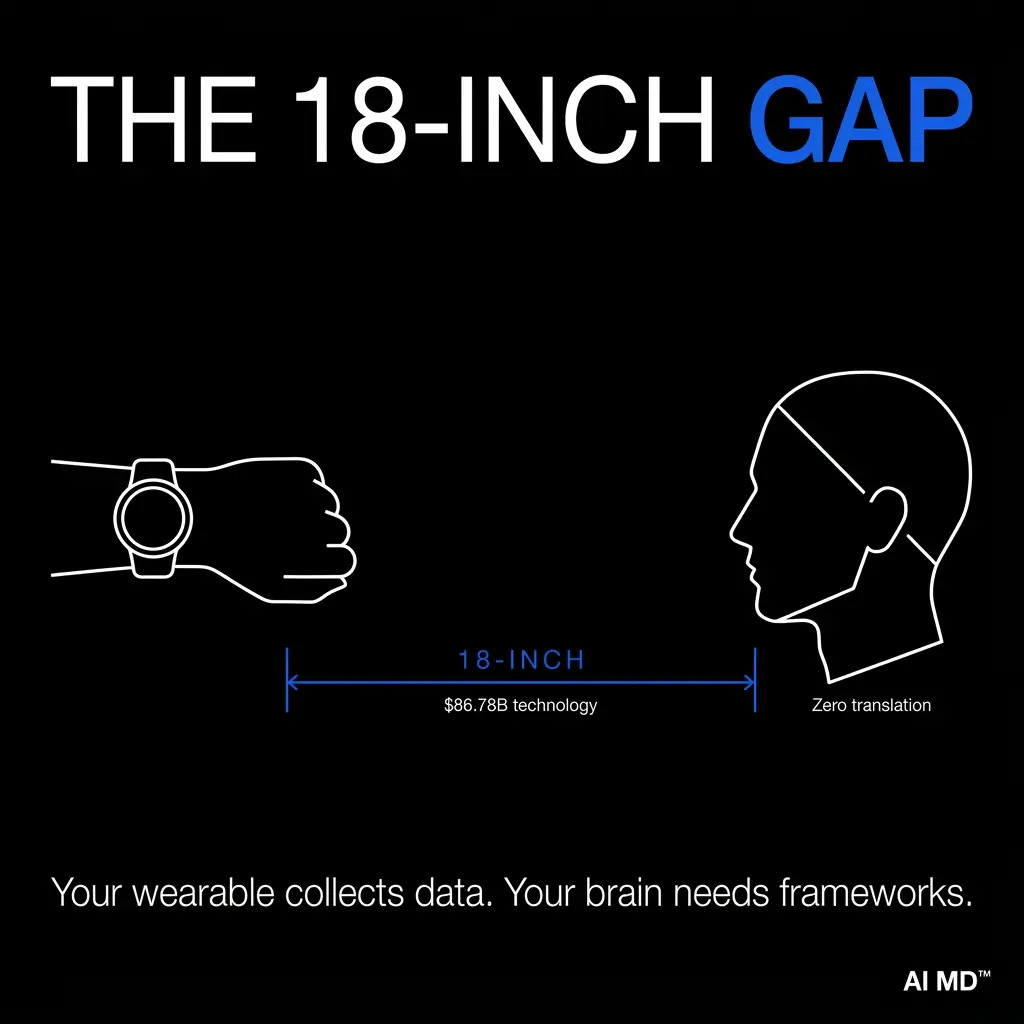
Your wearable is collecting data every day, but the real value comes from knowing how to interpret it. Sleep, HRV, resting heart rate, recovery, respiratory rate, and other health metrics are only useful when you understand your personal baseline, recognize meaningful trends, and know what actions make sense.
The AI MD™ helps you turn health data into clearer decisions.
📖 Start with the book:
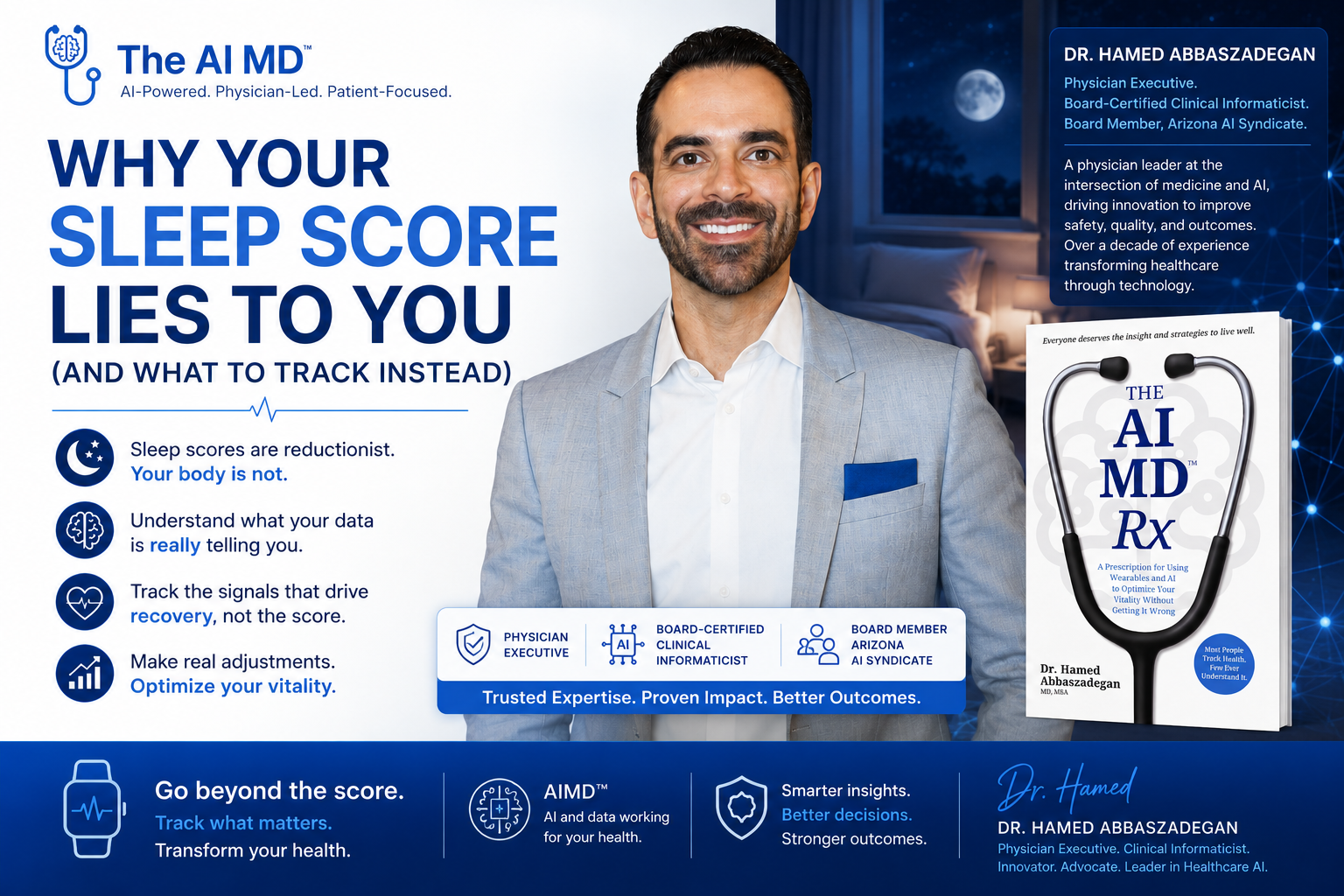
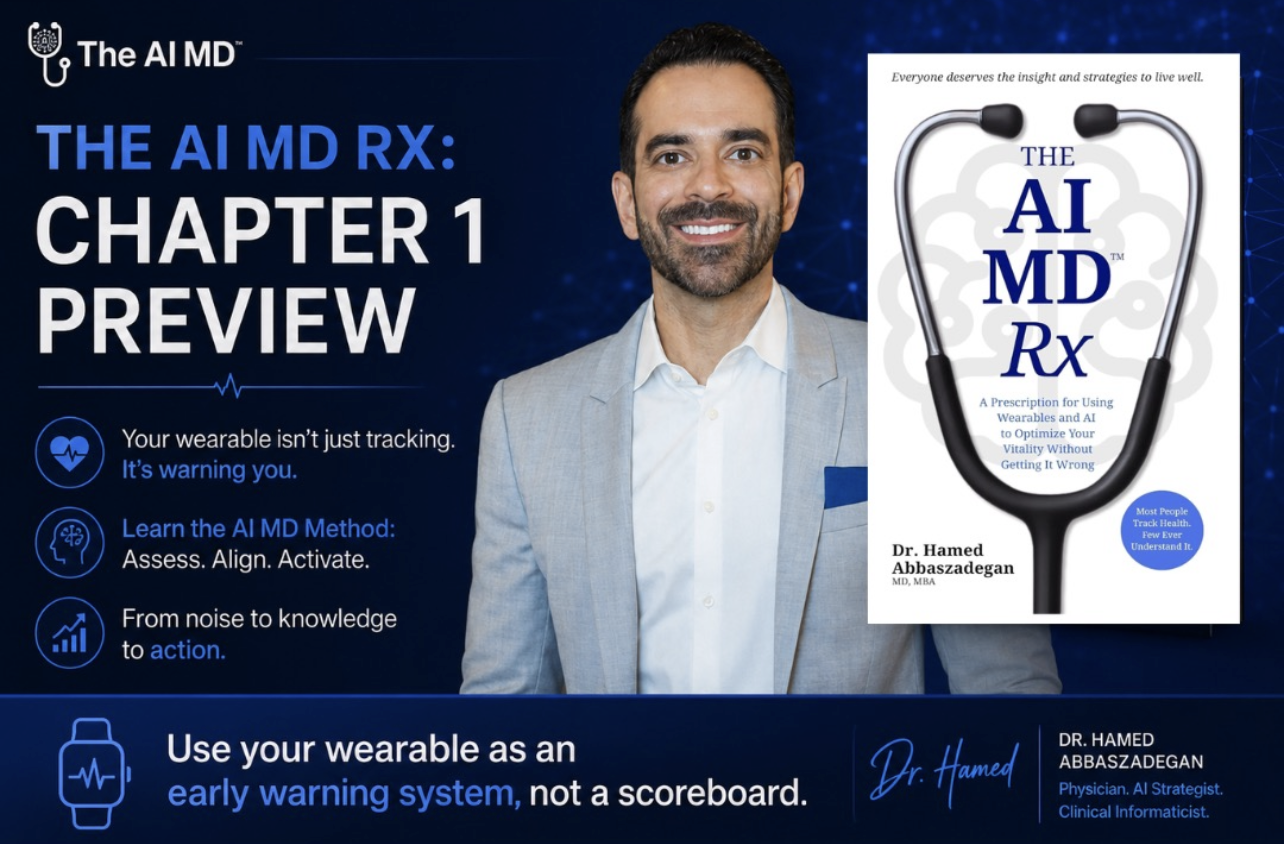
Get The AI MD Rx: A Prescription for Using Wearables and AI to Optimize Your Vitality Without Getting It Wrong and learn the framework for making sense of your wearable data.
https://www.amazon.com/AI-MD-Rx-Prescription-Wearables/dp/B0H38BTM83
🎥 Go deeper with the Academy:
Enroll in The AI MD™ Academy video series to learn how to apply AI-powered health optimization, interpret key wearable metrics, and build a personalized strategy for sleep, recovery, energy, performance, and long-term vitality.
https://theaimd.ai/academy
🌐 Explore more articles and learn more:
Read more insights on AI, wearables, digital health, longevity, and the future of medicine.
https://theaimd.ai
Your data is only the beginning.
The framework is what turns it into action.
#AIForClinicians #TheAIMD #WearableTechnology #HealthcareAI #ClinicalInformatics #DigitalHealth #HealthData #ResponsibleAI #MedicalEducation #CME






%20(1880%20x%20940%20px)%20(3%20x%204%20in)%20(1).png)


.png)


Stay Connected
If you’d like these insights delivered straight to your inbox, you can sign up below. You’ll receive evidence-based perspectives on AI in healthcare, practical implementation guidance, and updates on speaking engagements and media appearances.