
Hamed Abbaszadegan, MD, MBA

June 16, 2026
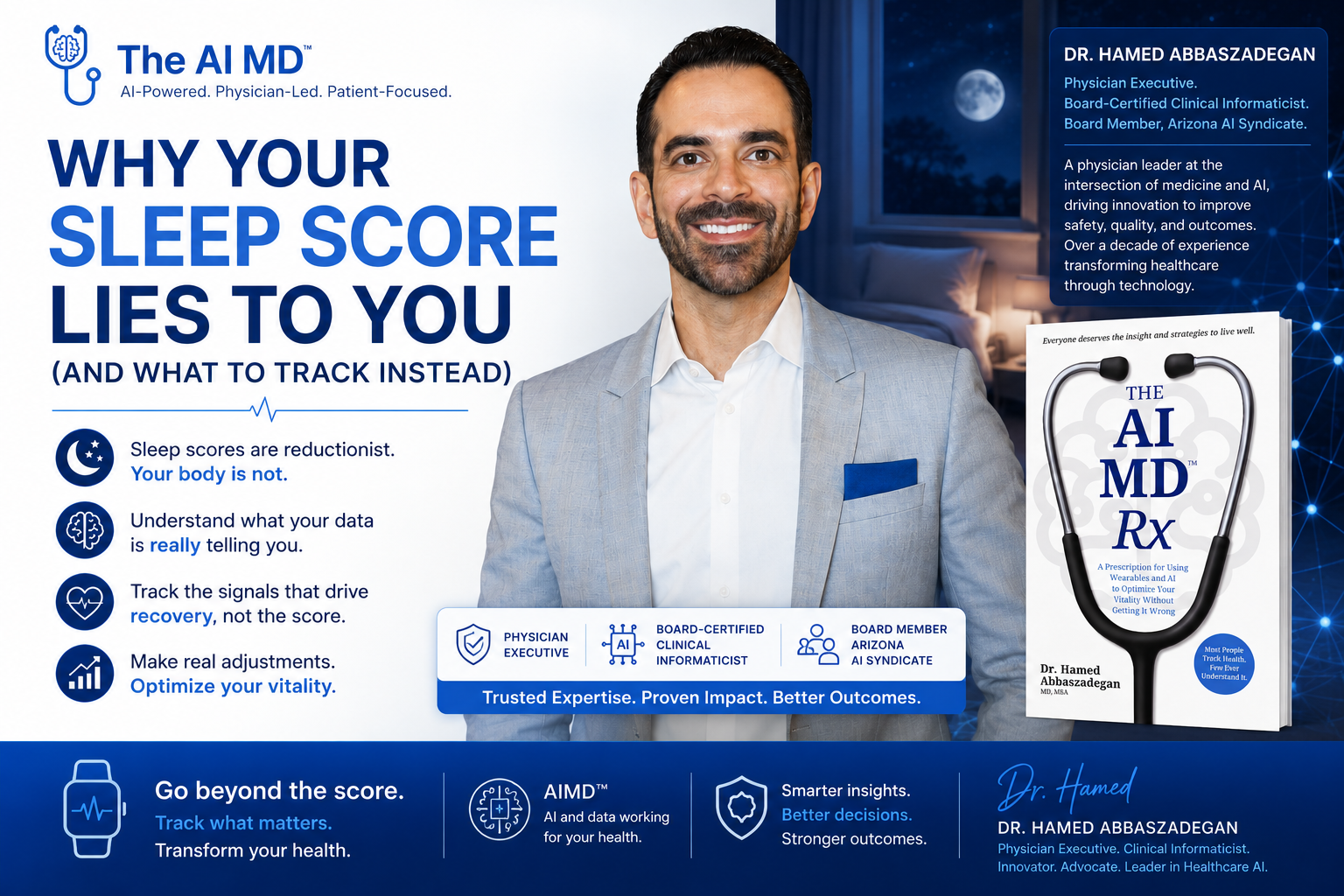
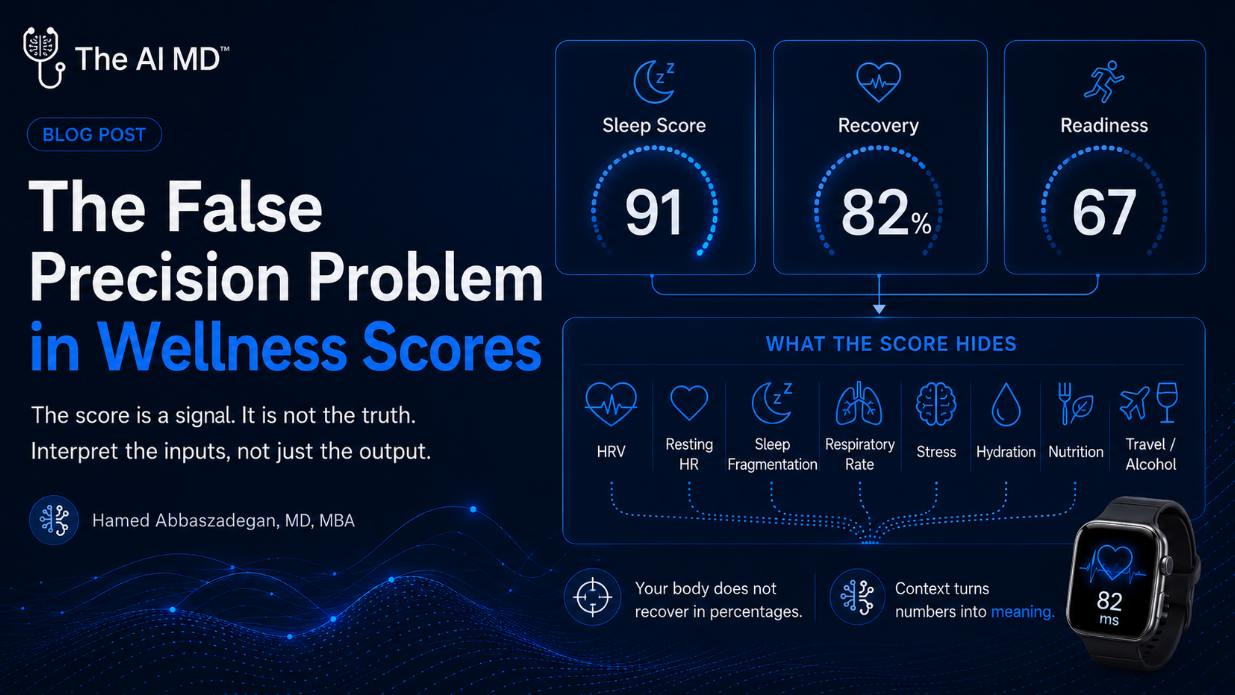
Every morning, millions of people wake up, open their wearable app, and immediately check one number: their sleep score.
An 89 feels like success.
A 62 feels like failure.
A 45 often triggers concern before the day has even begun.
What most people never stop to ask is a simple question:
What exactly is this number measuring?
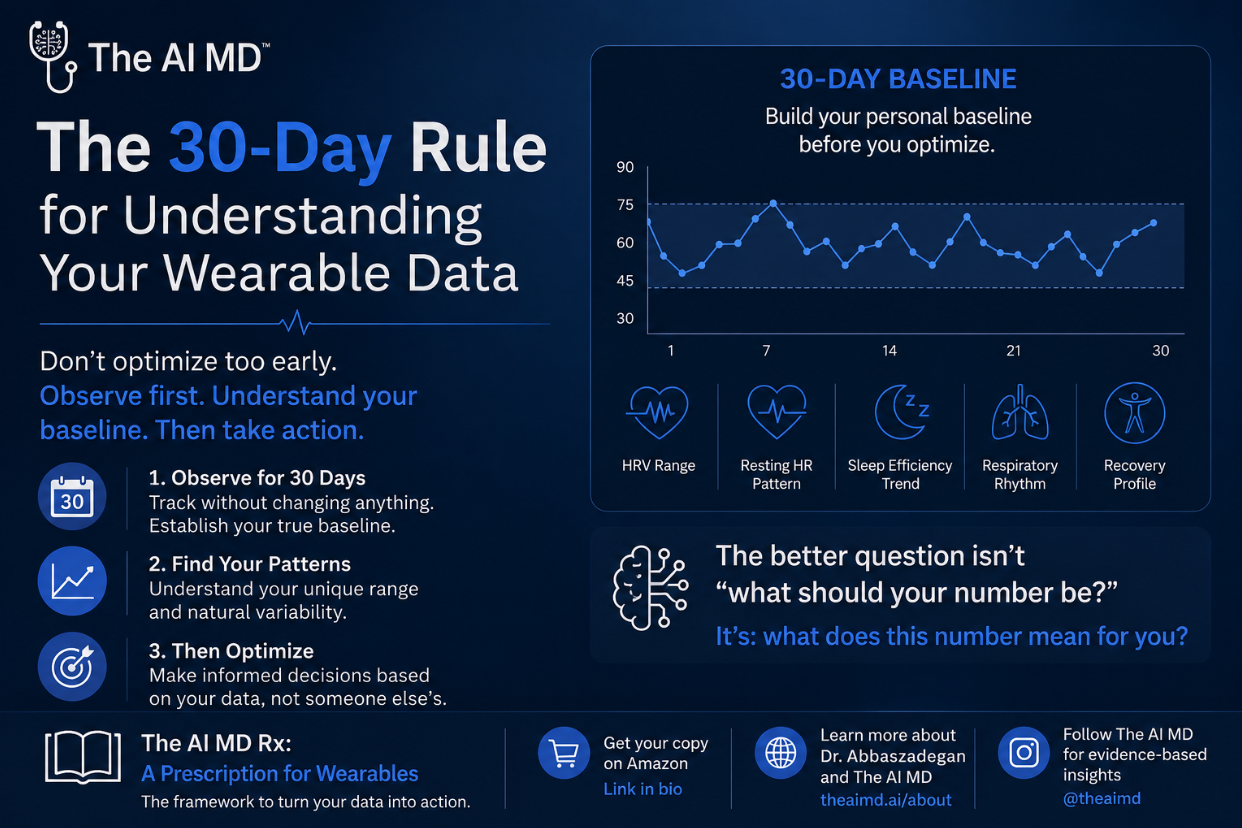
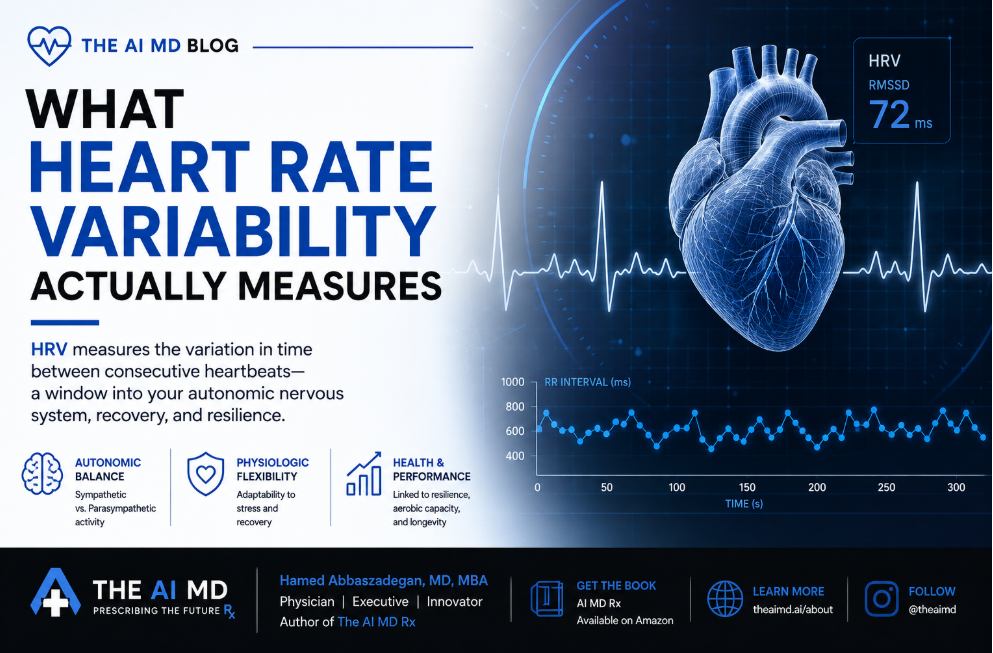
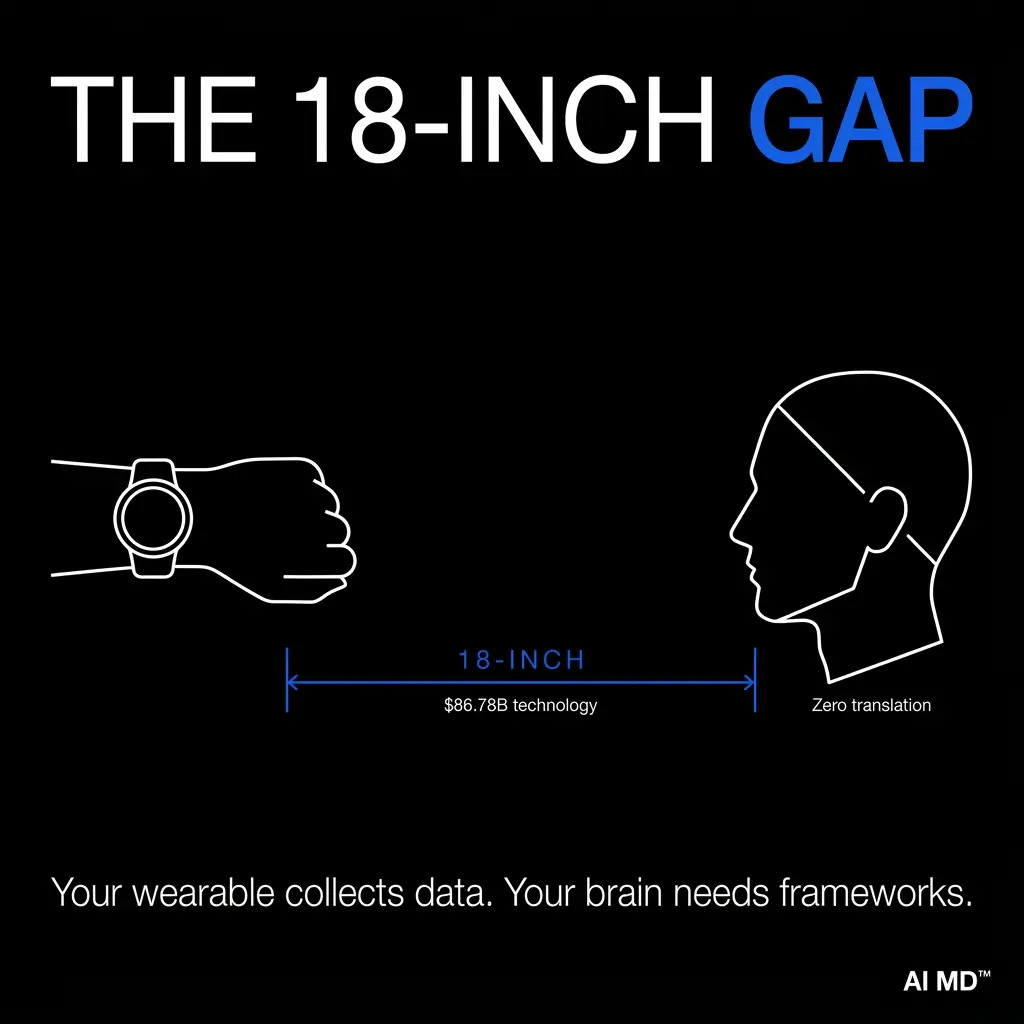
As wearable technology becomes increasingly integrated into everyday life, consumers now have unprecedented access to physiological data that would have been impossible to collect outside of a sleep laboratory just a decade ago. Devices can estimate sleep stages, monitor overnight heart rate, detect changes in blood oxygen saturation, measure respiratory rate, and continuously track movement throughout the night.
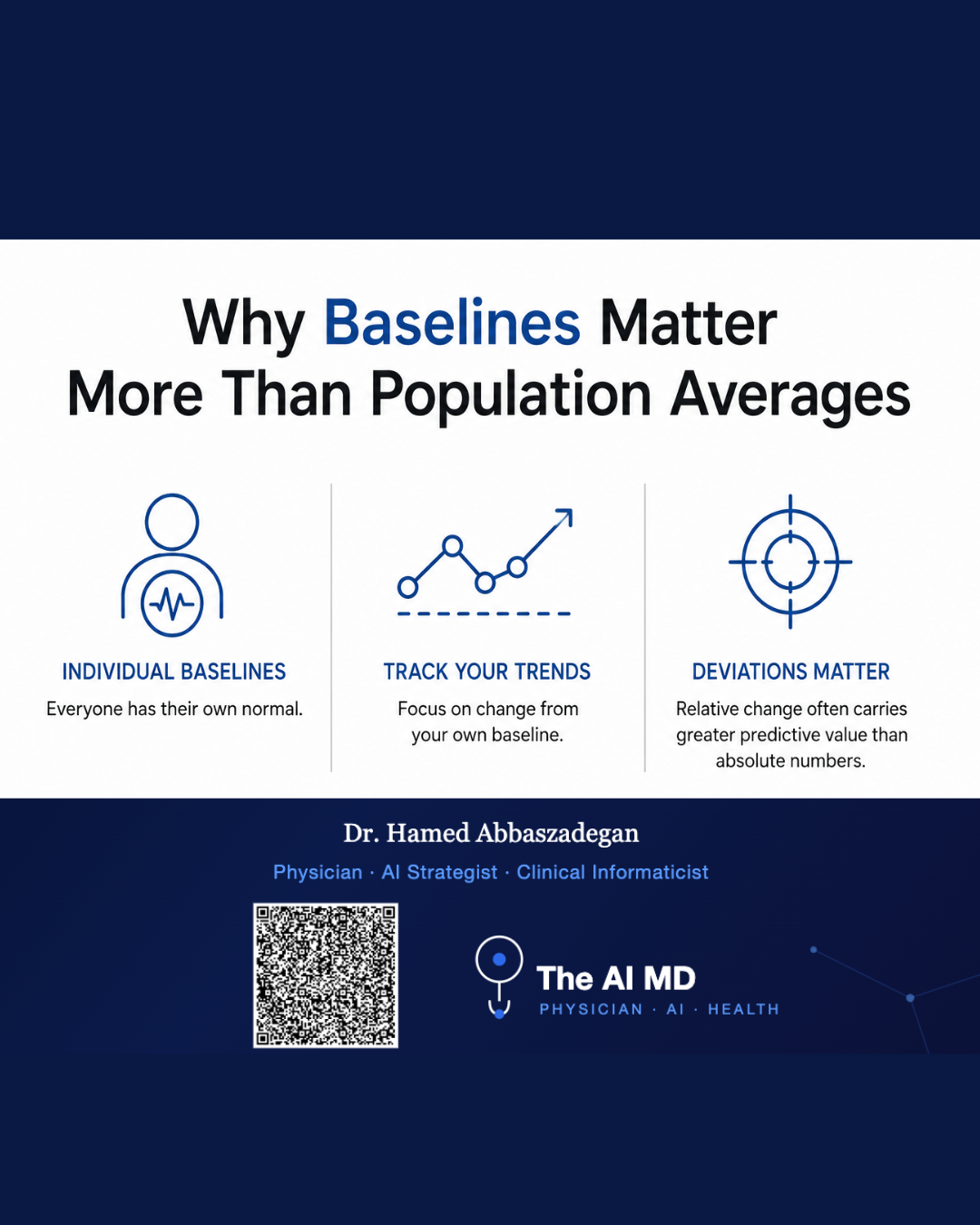
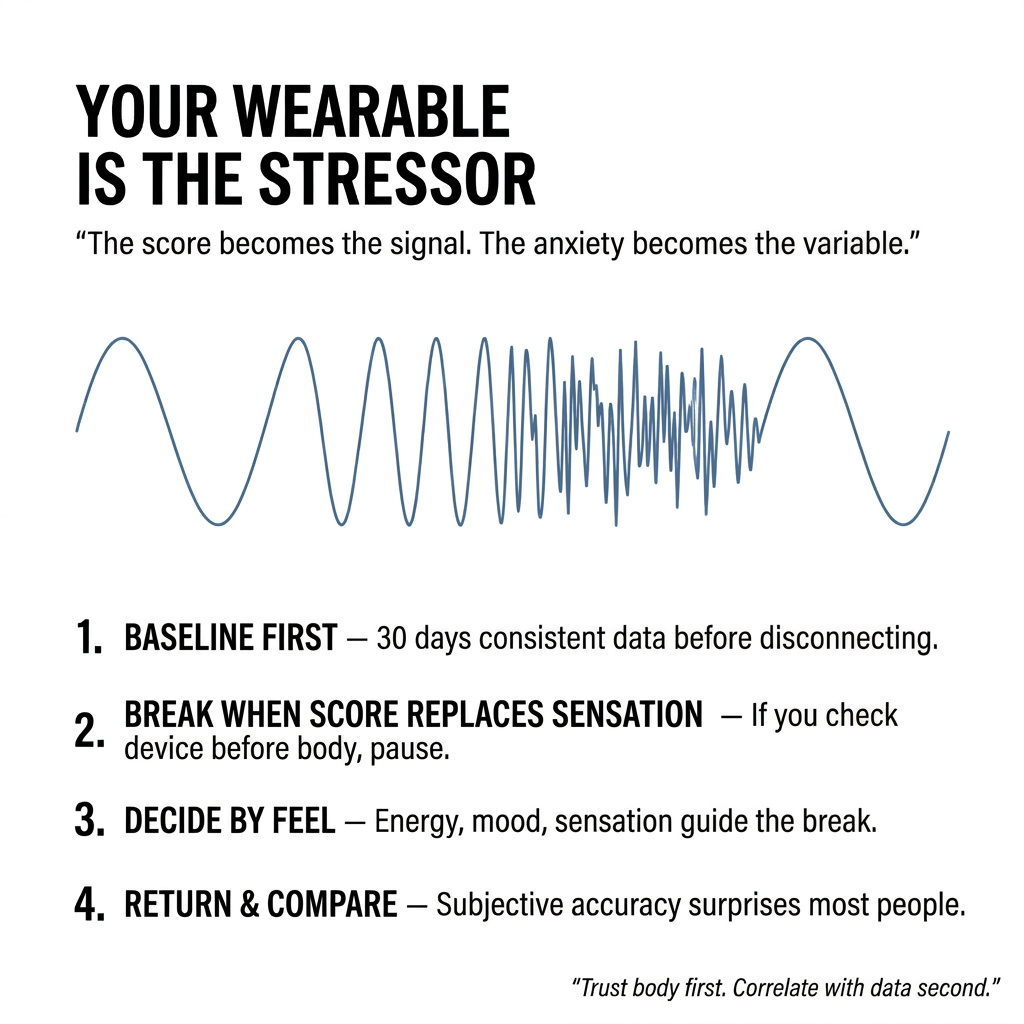
Yet despite this explosion of data, many users are making health decisions based on a single composite score. From a clinical perspective, that should make us uncomfortable. The problem is that sleep scores are reductionist.
They compress a highly complex biological process involving neurological activity, autonomic nervous system regulation, cardiovascular function, respiratory dynamics, hormonal signaling, and metabolic recovery into a single number designed primarily for consumer engagement.
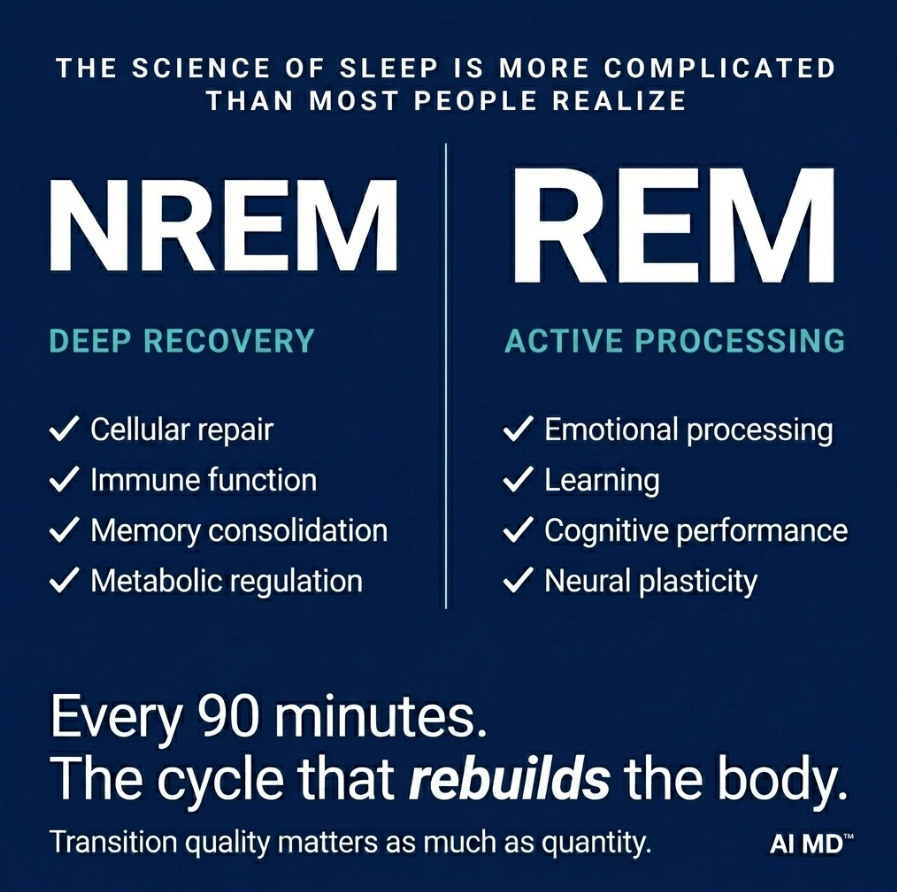
Sleep is one of the most sophisticated physiological processes in the human body.
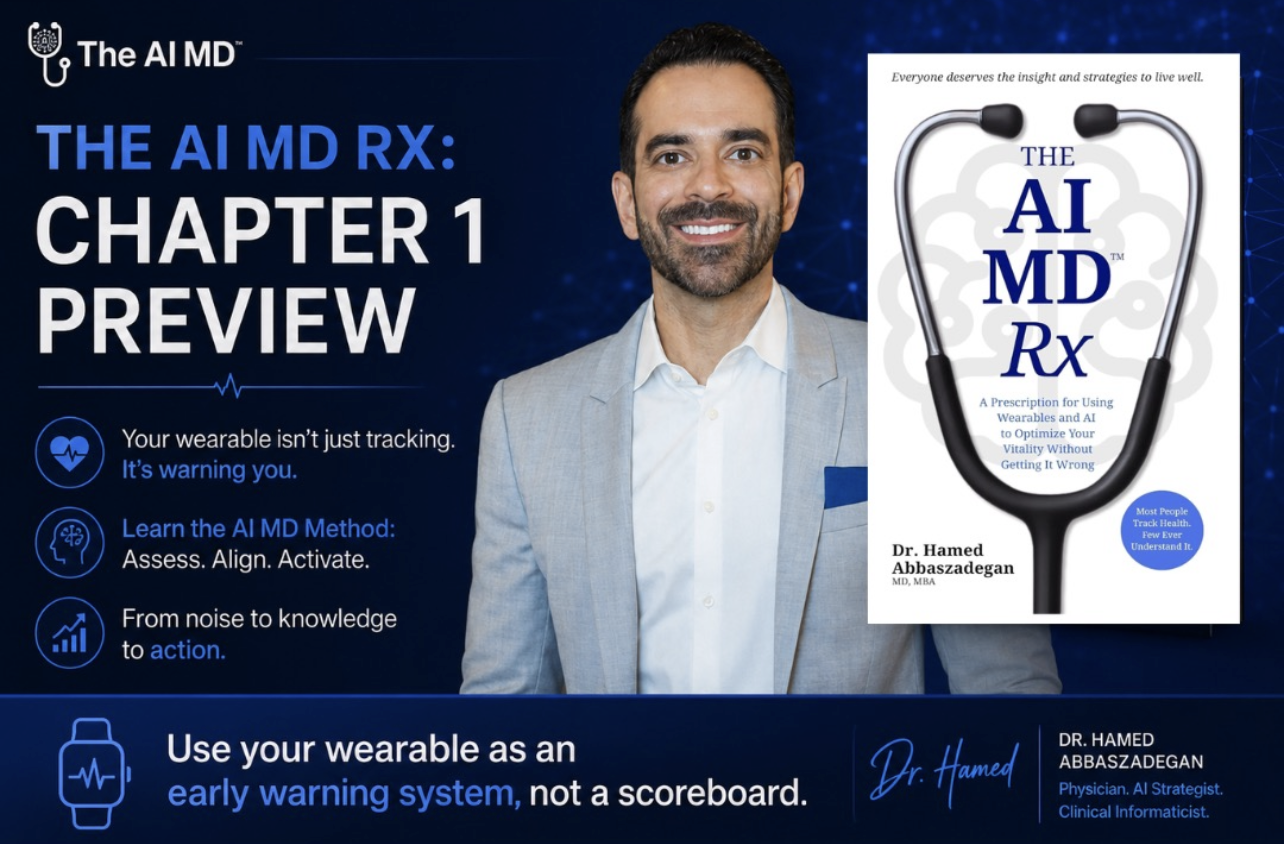
A score can never fully capture that complexity. In order to get a full picture of what your body is trying to tell you, read The AI MD Rx and take control of your biological data and how to make real adjustments from what your body is telling you. You can make massive changes to your sleep and recovery just by understanding the areas that need adjustment.
📖 Get your copy on Amazon:
https://www.amazon.com/AI-MD-Rx-Prescription-Wearables/dp/B0H38BTM83
🌐 Learn more about Dr. Abbaszadegan and The AI MD:
https://theaimd.ai/about
📲 Follow The AI MD for evidence-based insights on AI, digital health, wearable technology, longevity, and the future of medicine:
https://www.instagram.com/theaimd/




%20(1880%20x%20940%20px)%20(3%20x%204%20in)%20(1).png)


.png)


Stay Connected
If you’d like these insights delivered straight to your inbox, you can sign up below. You’ll receive evidence-based perspectives on AI in healthcare, practical implementation guidance, and updates on speaking engagements and media appearances.