
Hamed Abbaszadegan, MD, MBA

October 27, 2026
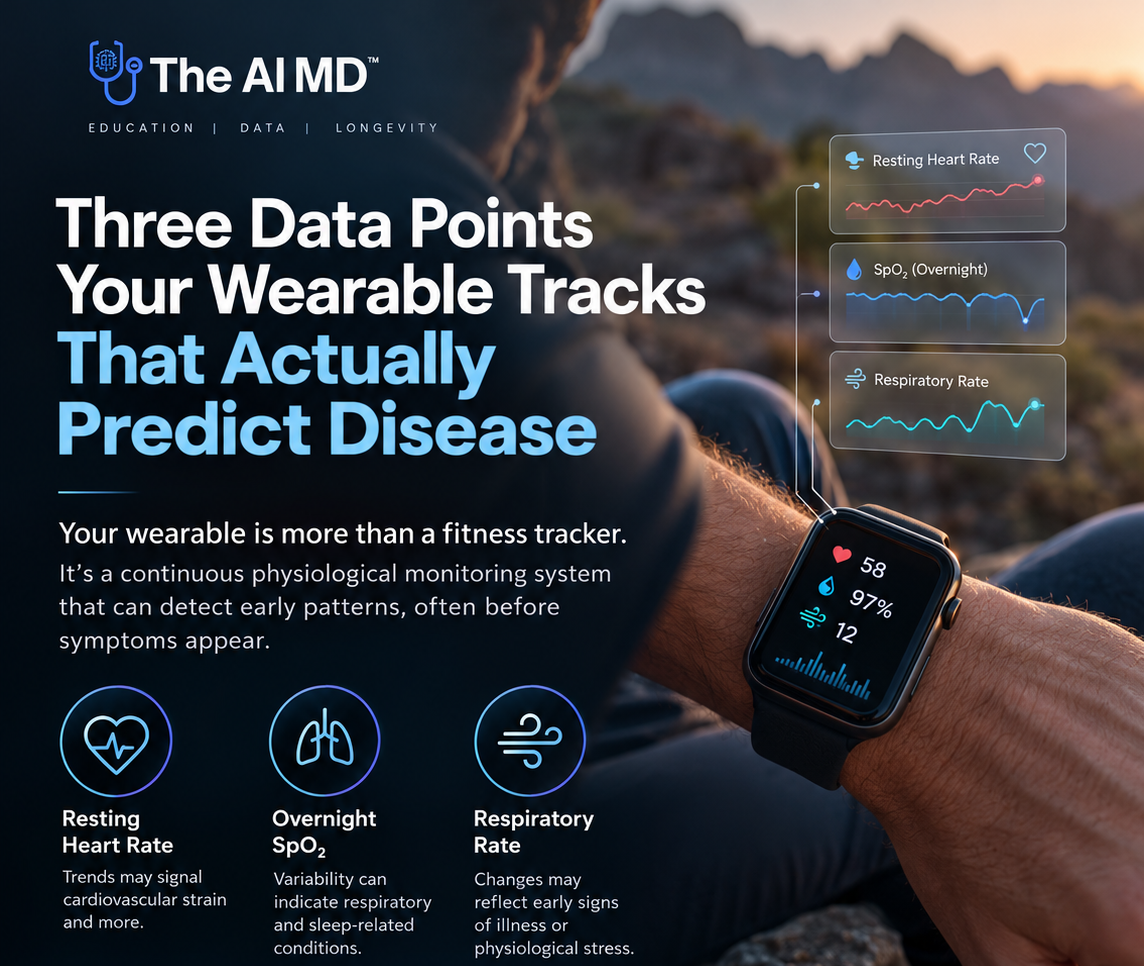
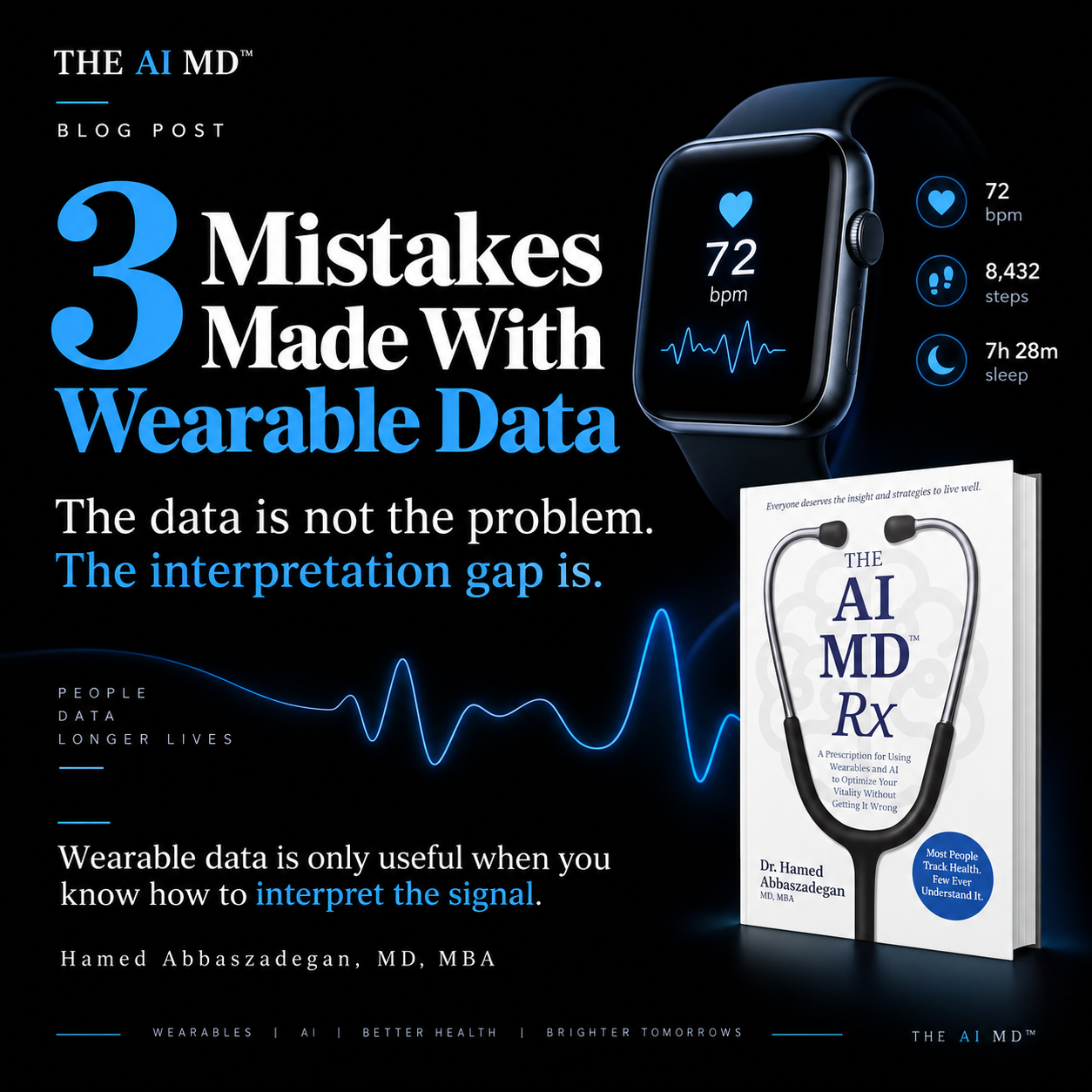
Your wearable is not just a fitness tracker.
It is a continuous physiological monitoring system that happens to fit on your wrist.
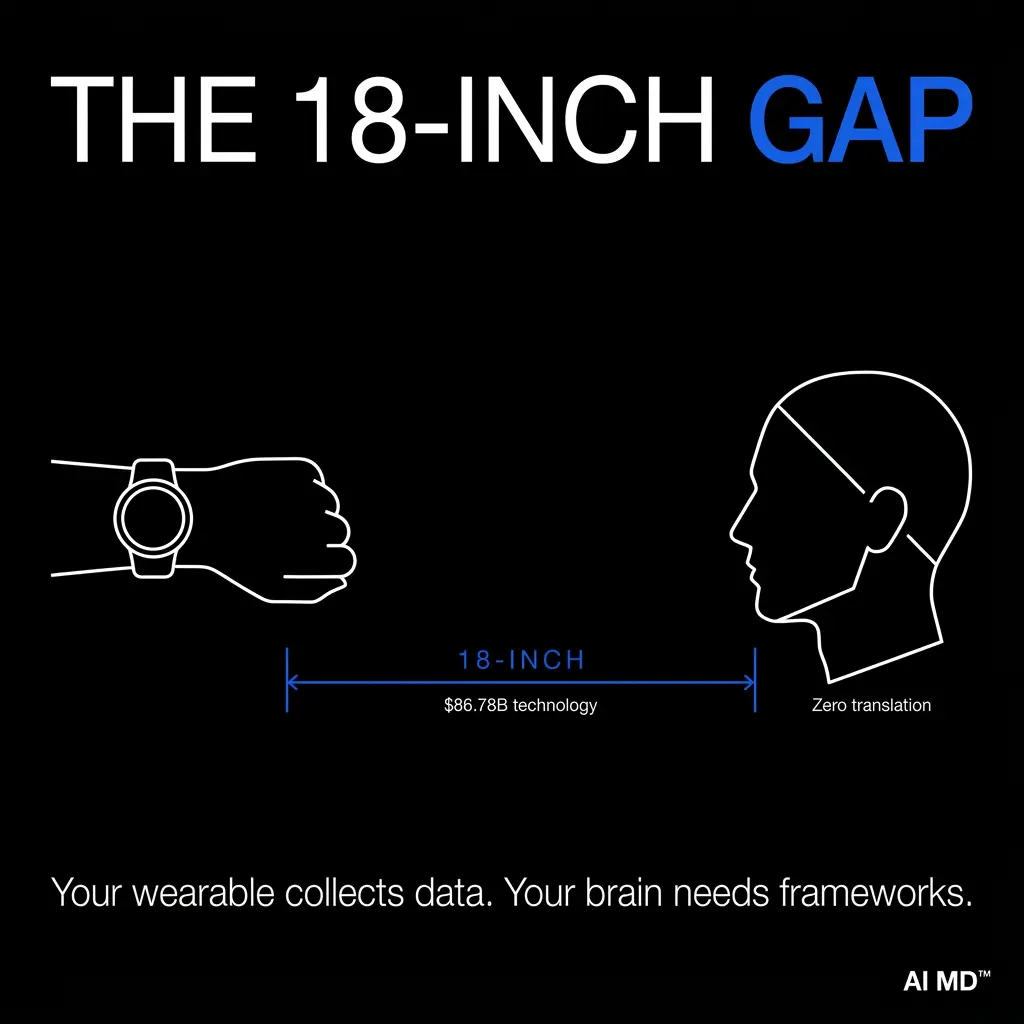
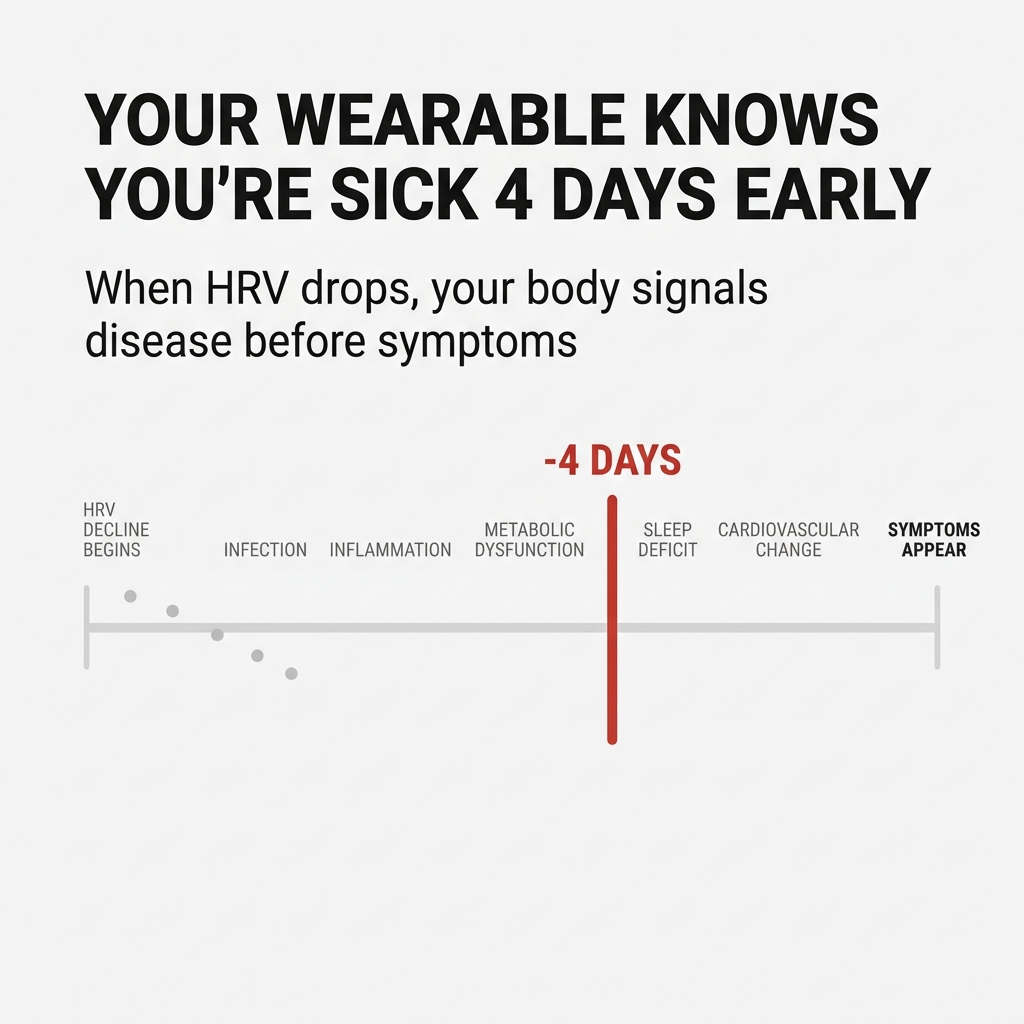
Most people still use wearables to count steps, track workouts, check sleep scores, and monitor calories. That is the surface layer. The deeper value is not in fitness tracking. It is in pattern recognition. Your body is producing signals every day. Resting heart rate. Blood oxygen. Respiratory rate. HRV. Sleep disruption. Temperature. Recovery trends. These signals may begin to shift before symptoms are obvious. The technology already exists to detect patterns that may suggest disease states before a person feels sick enough to seek care. The problem is that most users do not have an interpretation framework. They have data, but they do not know what to do with it.
That is the gap.
I have spent over a decade bridging clinical operations, health technology strategy, and data science. I am double board-certified in Internal Medicine and Clinical Informatics. What I have learned is simple: data does not become useful just because it is collected. It becomes useful when it is interpreted through the right clinical lens.
Here are three data points your wearable may already track that carry predictive power.
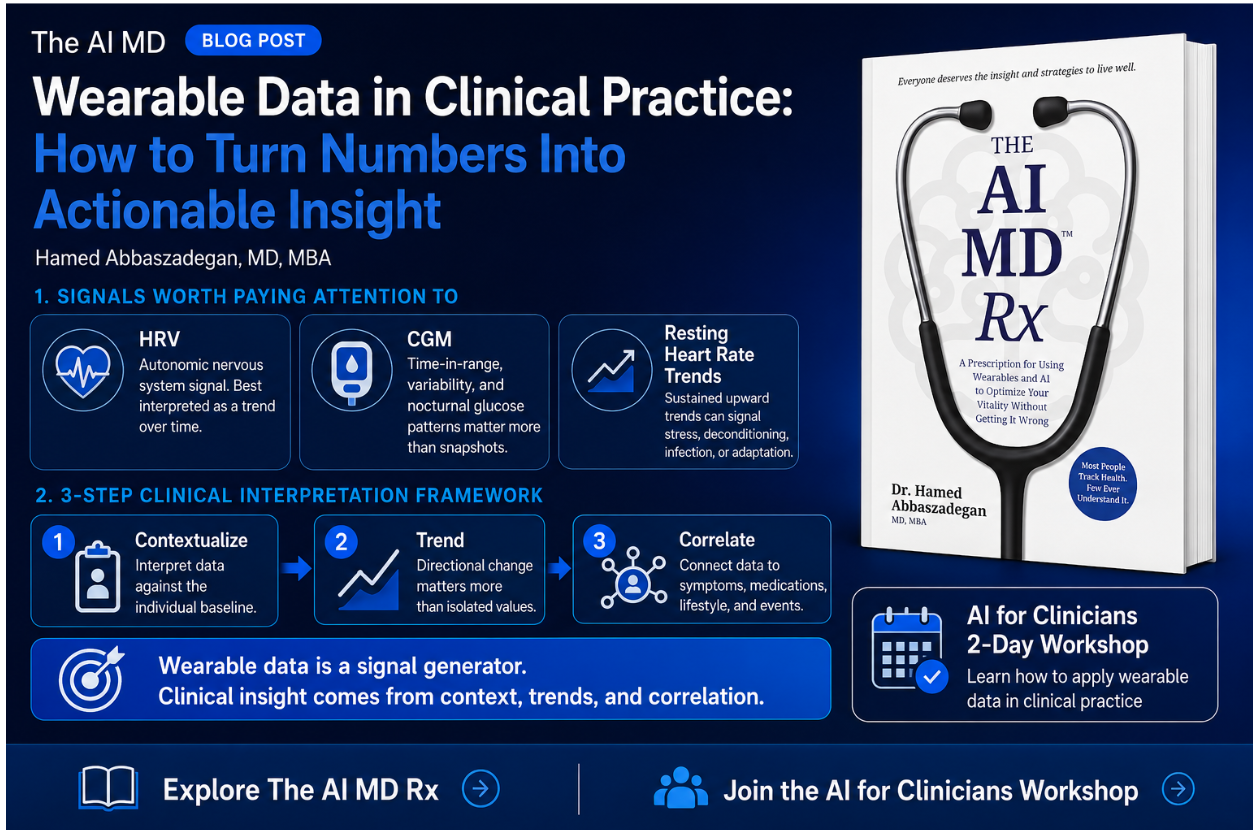
Resting heart rate is one of the simplest metrics your wearable tracks. It is also one of the most important.
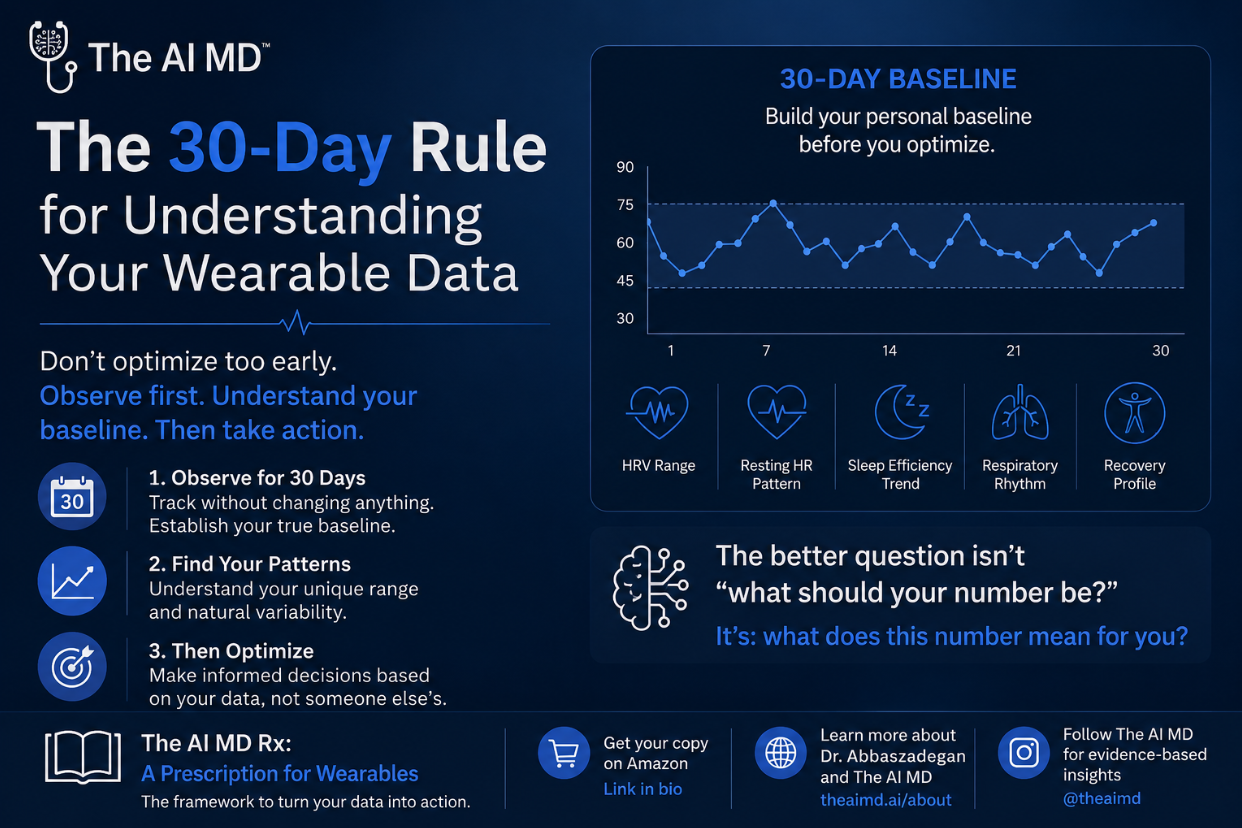
Most people look at today’s number and move on. They see 58, 64, or 72 beats per minute and decide whether it looks “good” or “bad.” That is not how this metric should be used. The single number is less important than the trend.
A gradual increase of 5 to 10 beats per minute over three months, especially without a clear explanation such as reduced fitness, illness, medication change, poor sleep, or increased stress, can be a meaningful signal. It may reflect cardiovascular strain, thyroid dysfunction, chronic inflammation, autonomic stress, poor recovery, or another physiological shift that deserves attention.
The key is not panic. The key is pattern recognition.
One elevated morning resting heart rate may mean you slept poorly, had alcohol, trained too hard, traveled, ate late, or are fighting off an infection. But a sustained upward trend over weeks to months is a different story.
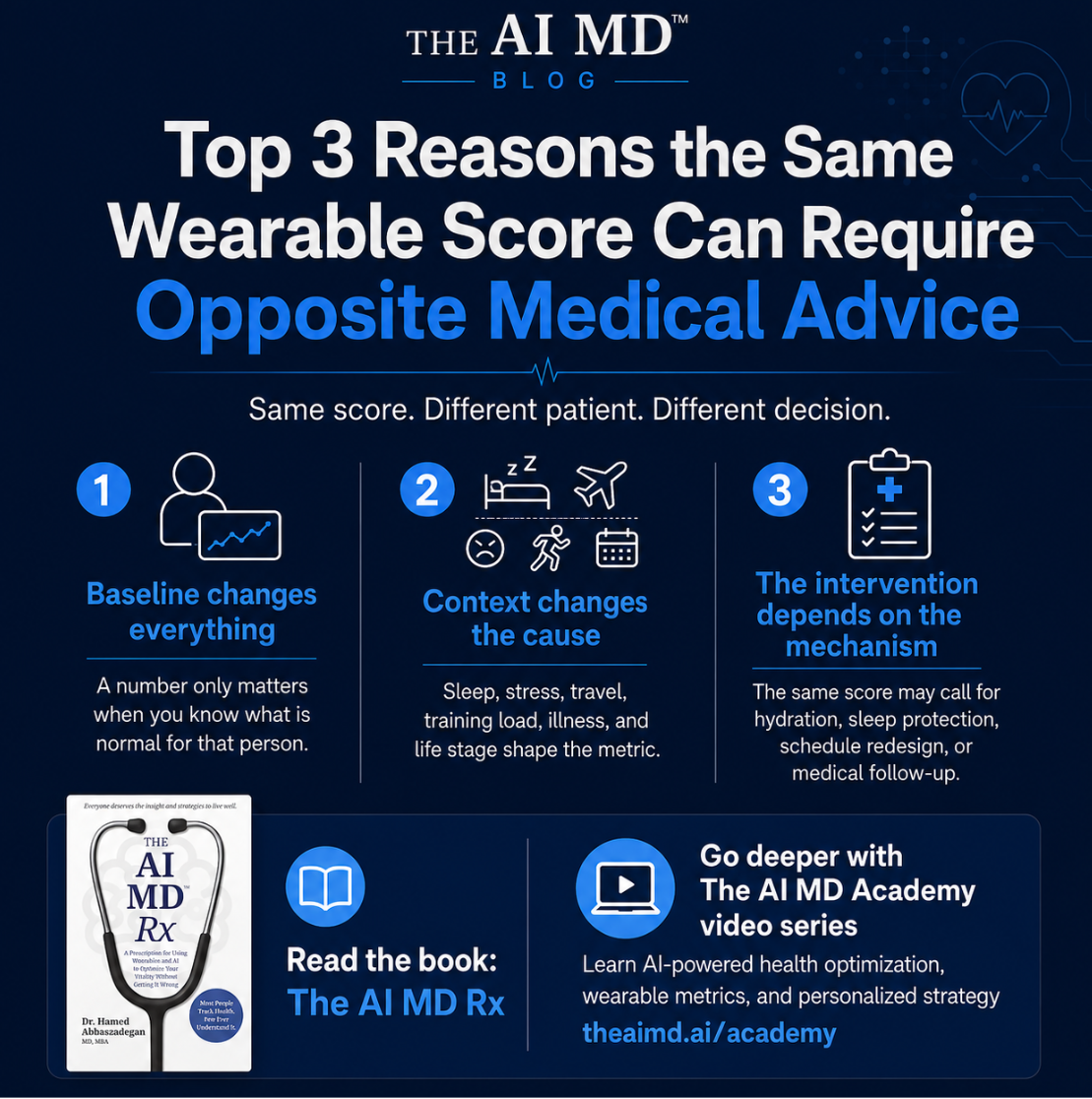
That is when the question changes from “What was my number today?” to “Why is my baseline moving?” Your wearable can help you see that shift before a traditional office visit might catch it. But the wearable does not interpret your life. It does not know your training load, your sleep schedule, your stress exposure, your medication changes, or your symptoms unless you connect those variables.
That is where clinical reasoning matters.
Blood oxygen saturation is another metric many users do not fully understand.
A single oxygen reading may not tell the full story. The more important signal is what happens overnight, especially during sleep. Blood oxygen can dip briefly during sleep, but frequent drops, sustained dips below expected ranges, or erratic oxygen patterns may suggest that something is disrupting normal physiology.
Overnight SpO2 variability can raise concern for sleep-disordered breathing, sleep apnea risk, respiratory compromise, cardiopulmonary strain, or other conditions that affect oxygenation during sleep.
This matters because many people do not realize their breathing is abnormal overnight. They may wake up tired, feel foggy, have morning headaches, experience poor recovery, or see declining HRV without knowing that oxygen instability may be part of the pattern. Your wearable may not diagnose the condition by itself. But it can identify a signal worth investigating.
That distinction is important.
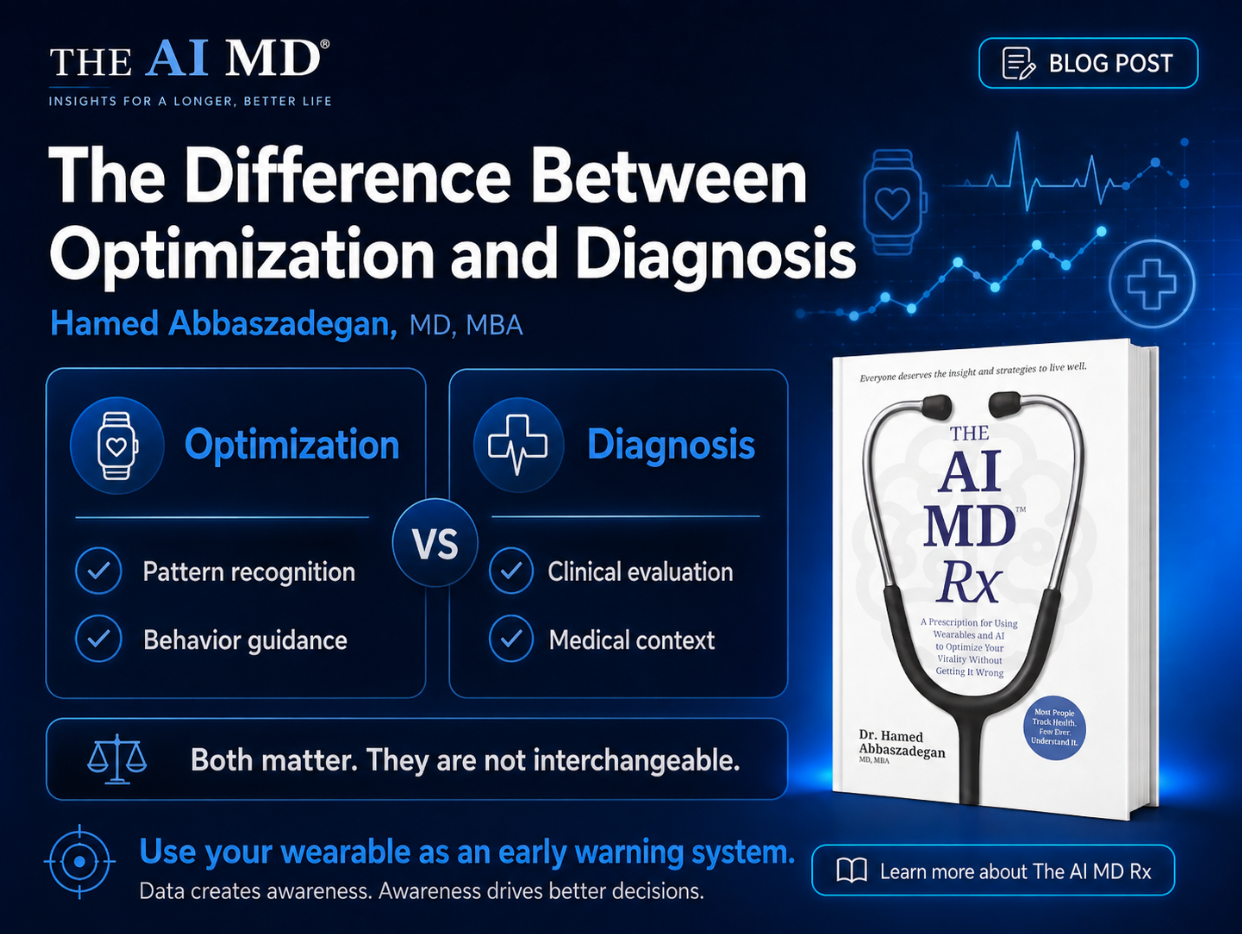
Wearables should not turn every user into their own physician. They should help people recognize when a pattern deserves clinical follow-up. If overnight oxygen saturation is repeatedly unstable, especially when paired with snoring, daytime sleepiness, elevated resting heart rate, morning headaches, or poor recovery, that is not a metric to ignore.
It is a conversation to have. The future of wearable health is not self-diagnosis. It is earlier signal detection with better clinical guidance.
Respiratory rate is one of the most underrated metrics in wearable health.
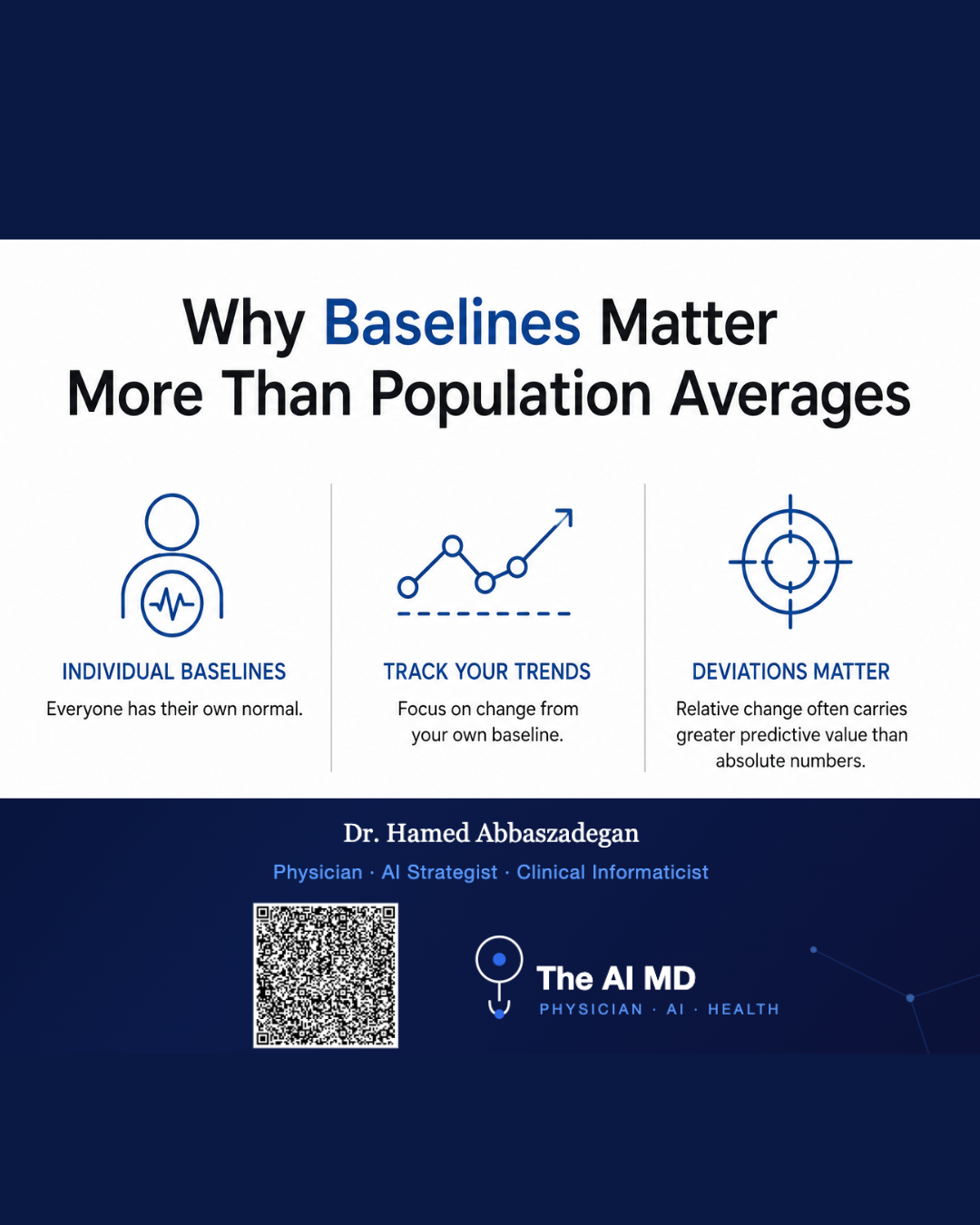
Healthy adults typically breathe in a relatively stable range during sleep. The exact number matters less than your personal baseline and the direction of change. If your respiratory rate is consistently elevated above your usual range or becoming more variable over time, your body may be signaling stress before you feel obvious symptoms.
Sustained elevation in respiratory rate during sleep may reflect respiratory illness, infection, cardiopulmonary strain, autonomic nervous system dysfunction, sleep disruption, medication effects, alcohol exposure, or other physiological changes.
This is why respiratory rate should not be ignored. It is often one of the earliest metrics to shift when the body is under stress.
Many people wait until symptoms are obvious before they pay attention. But your wearable may show subtle physiological drift before you consciously feel sick. That does not mean every respiratory change is dangerous. It means the trend deserves context.
Did your respiratory rate rise after travel?
After alcohol?
After intense training?
During poor sleep?
Alongside a rising resting heart rate?
Alongside suppressed HRV?
Alongside changes in temperature?
The pattern matters more than the isolated number.
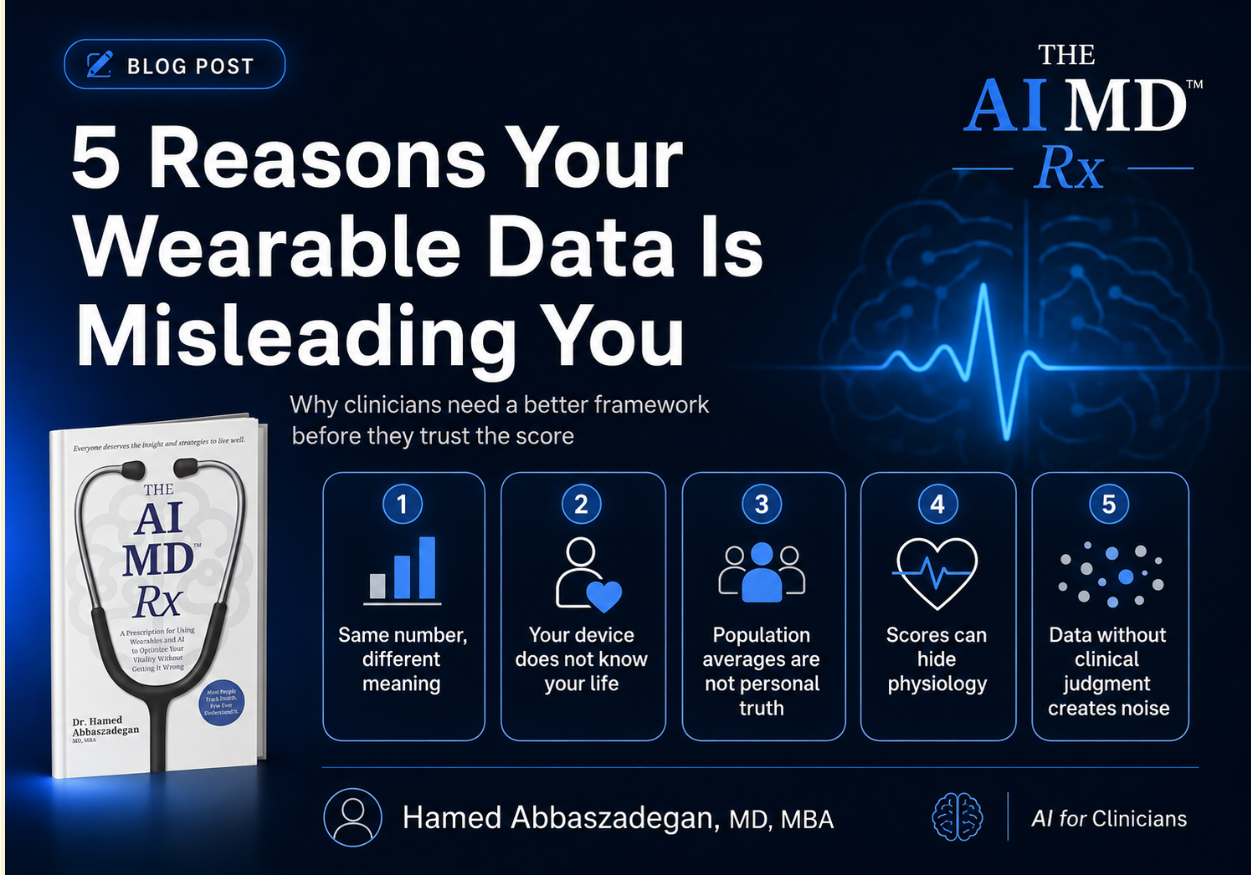
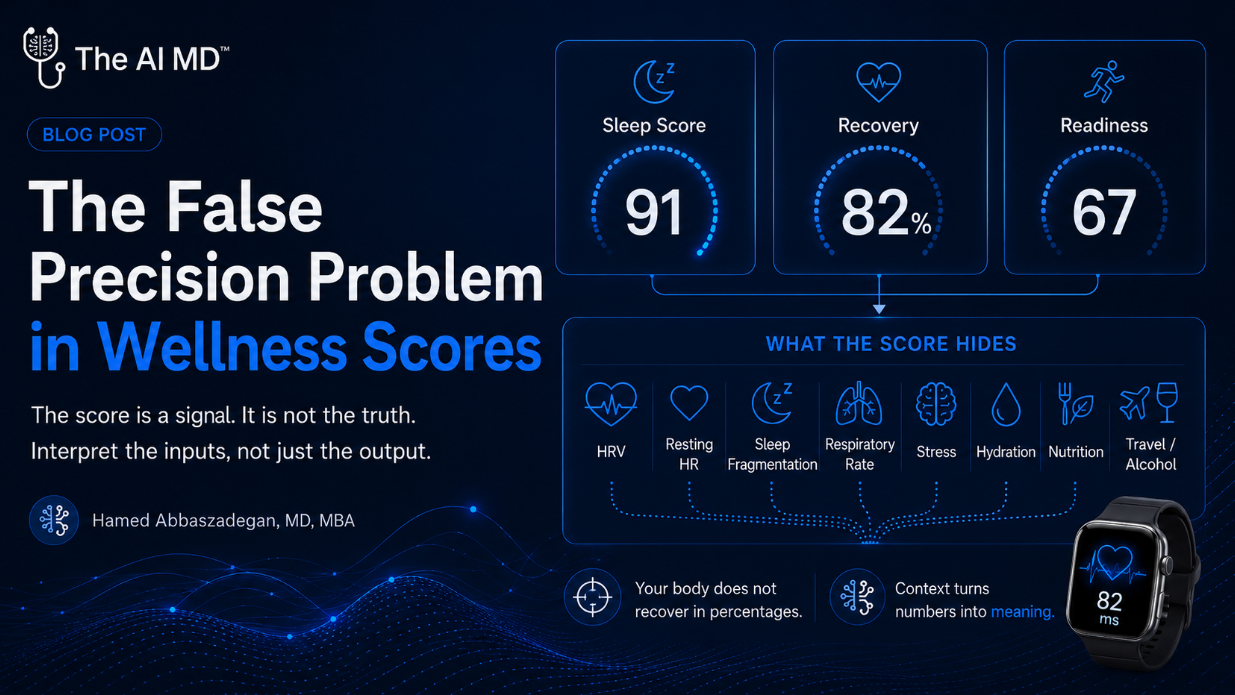
When respiratory rate, resting heart rate, sleep quality, oxygen stability, and HRV all begin shifting together, your wearable is no longer just giving you wellness data. It is showing you a physiological pattern. That is the paradigm shift happening right now.
Not step counting.
Not sleep-score chasing.
Not obsessing over one metric.
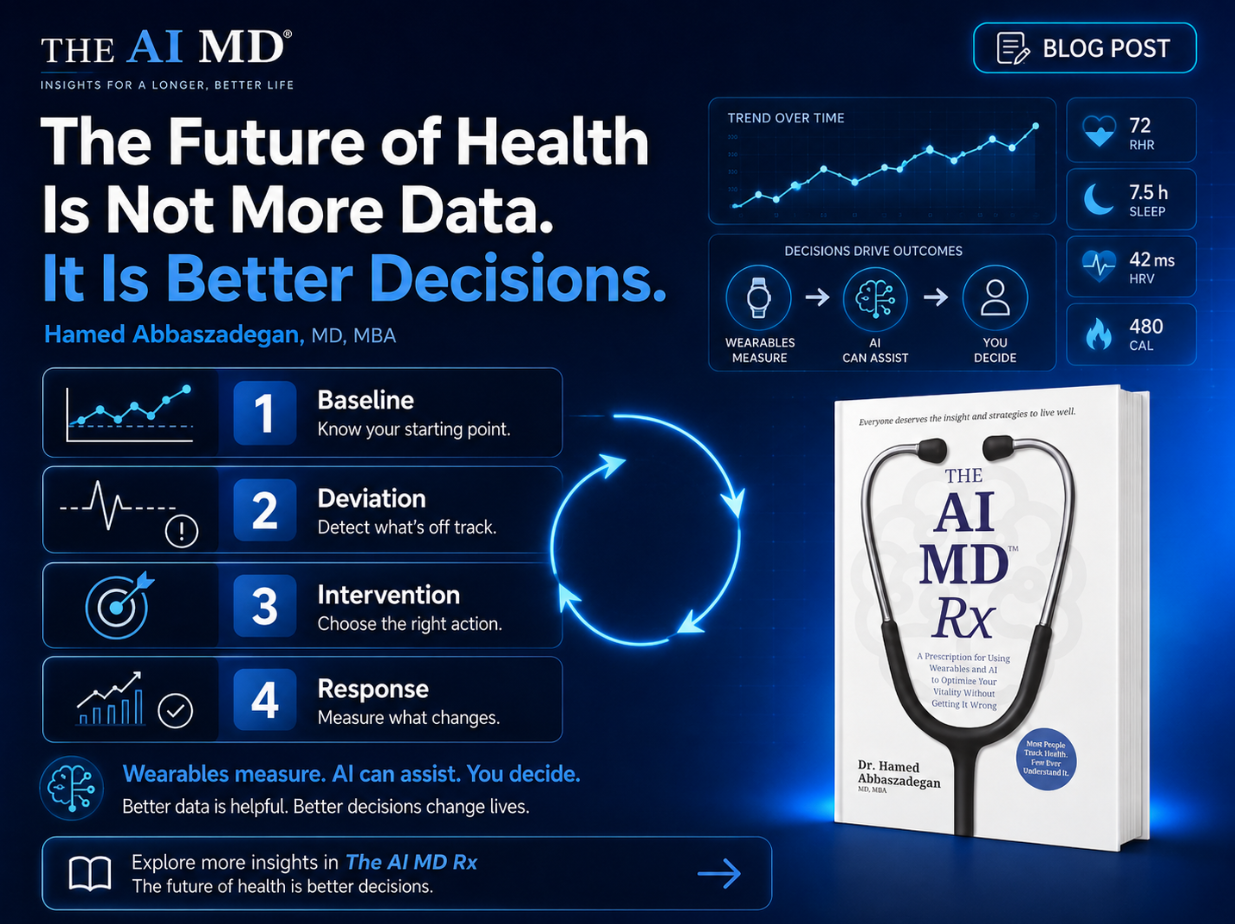
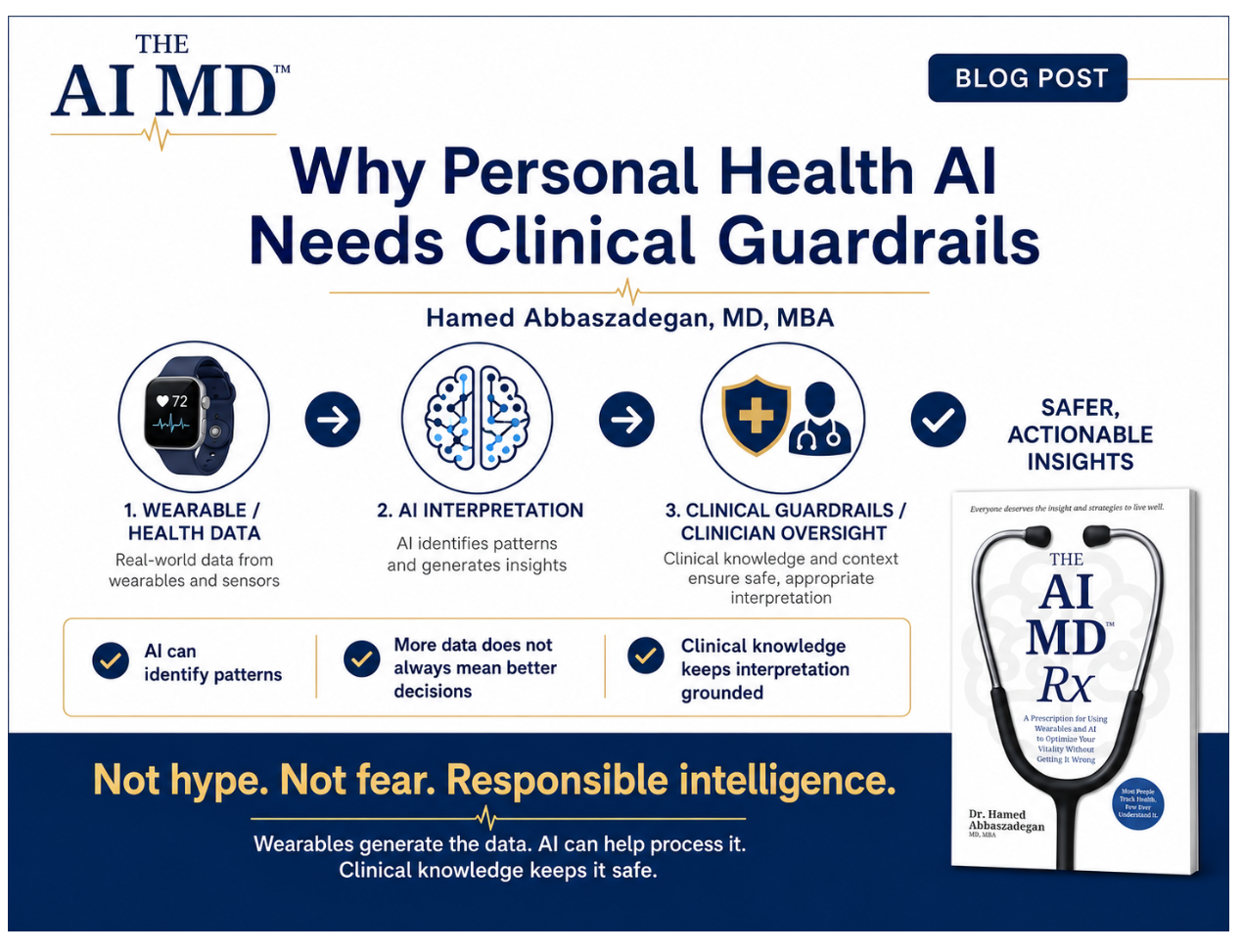
The real opportunity is detecting patterns earlier and responding more intelligently. Your wearable can collect data every single day. But data collection is not the same as health intelligence. Clinical-grade precision only matters if there is a bridge between measurement and action. That bridge is interpretation.
The AI MD Rx delivers a framework to interpret your specific data through a clinical lens. Not population averages. Not generic wellness advice. Not chasing someone else’s numbers.
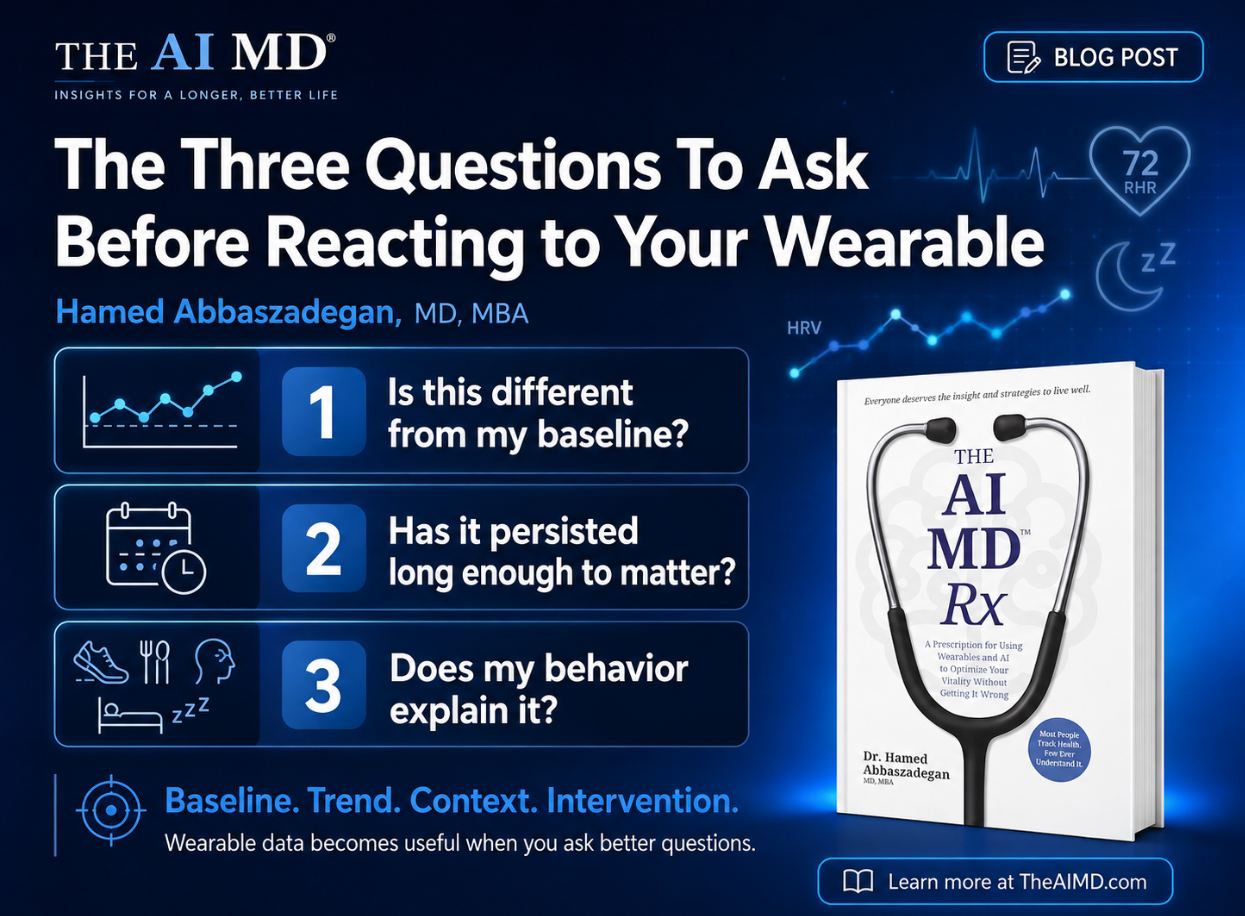
Your personal baseline.
Your relative changes.
Your behavioral context.
Your physiological trends.
That is how wearable data becomes useful. You are collecting the data every day. The question is whether you have the system to use it.
Ready to move beyond the score?
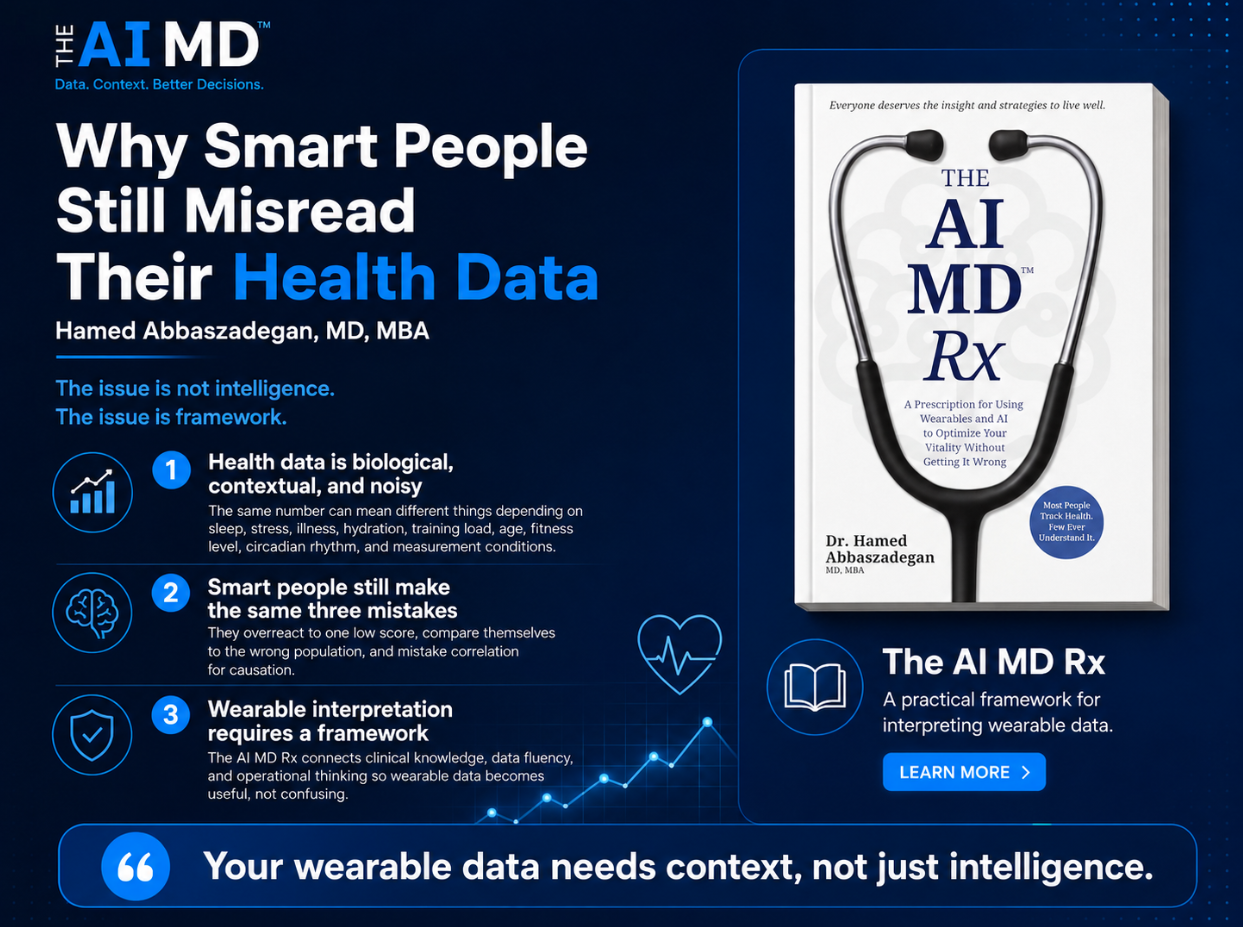
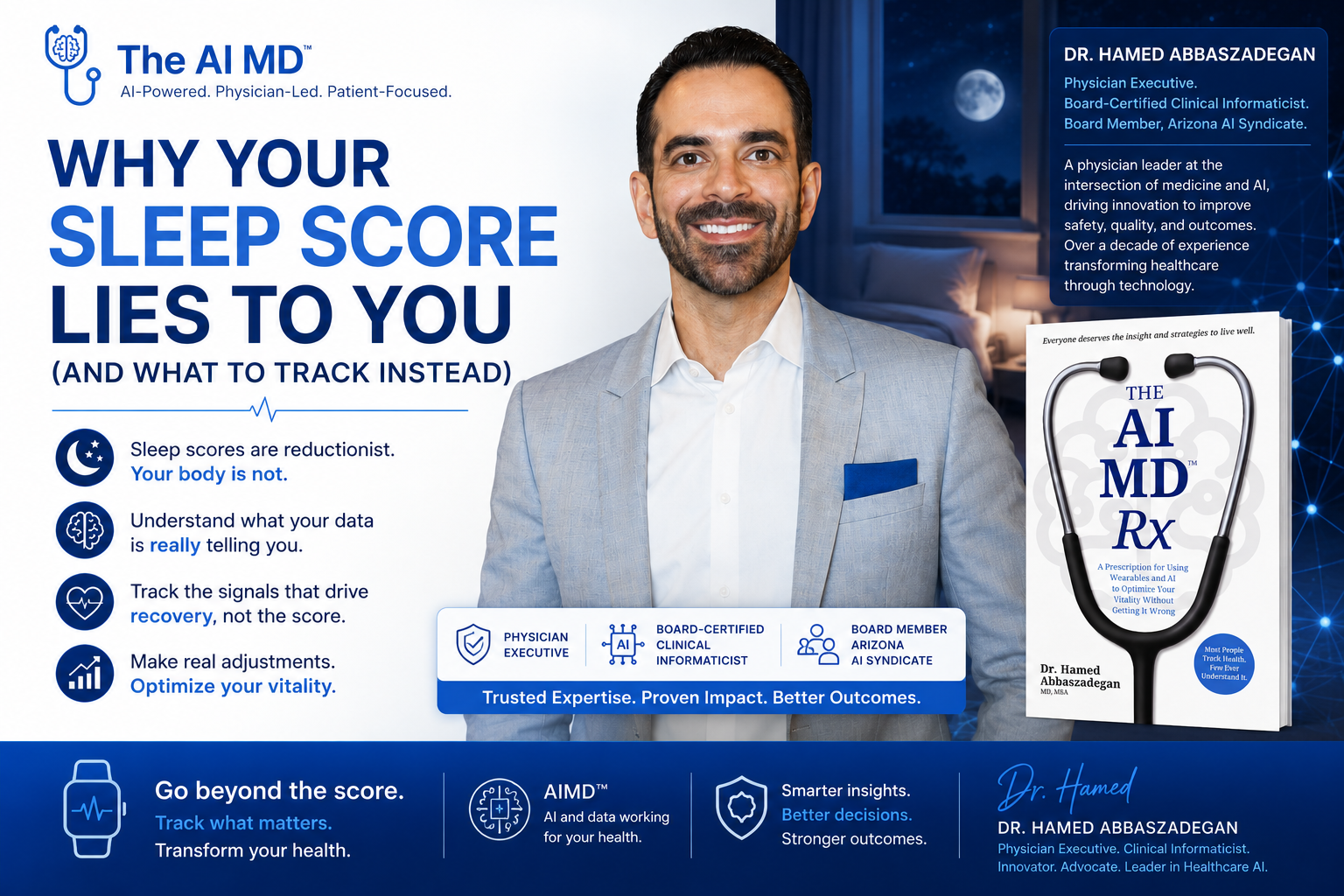
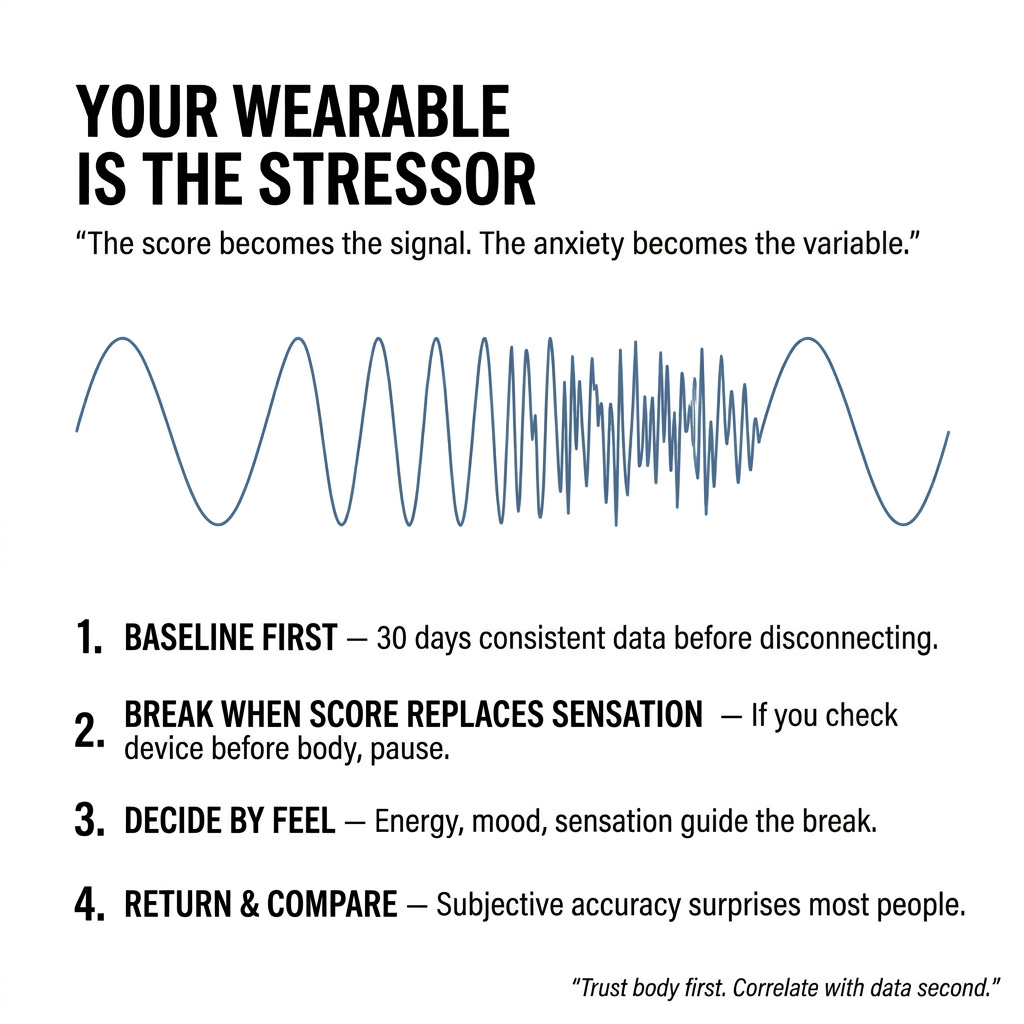
Your wearable is collecting data every day, but the real value comes from knowing how to interpret it. Sleep, HRV, resting heart rate, recovery, respiratory rate, and other health metrics are only useful when you understand your personal baseline, recognize meaningful trends, and know what actions make sense.
The AI MD™ helps you turn health data into clearer decisions.
📖 Start with the book:
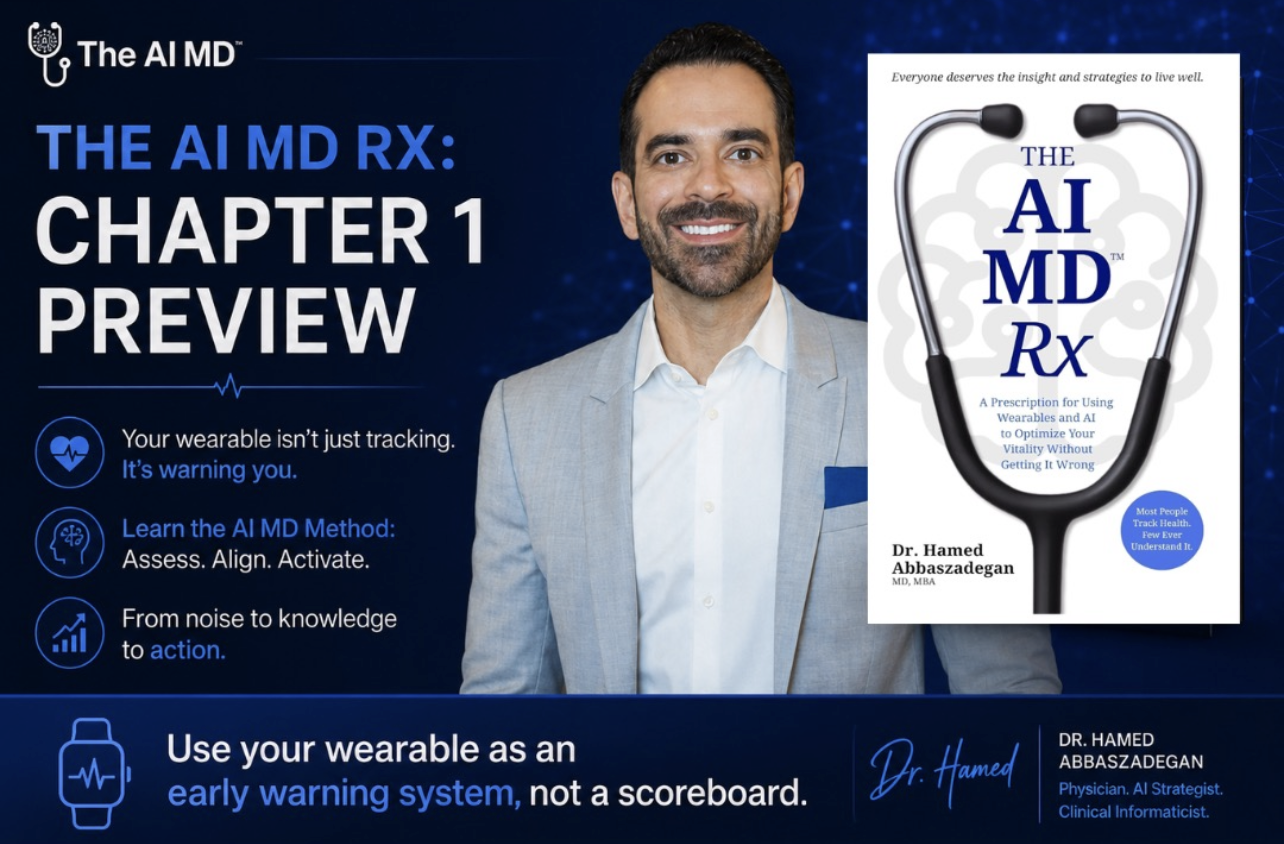
Get The AI MD Rx: A Prescription for Using Wearables and AI to Optimize Your Vitality Without Getting It Wrong and learn the framework for making sense of your wearable data.
https://www.amazon.com/AI-MD-Rx-Prescription-Wearables/dp/B0H38BTM83
🎥 Go deeper with the Academy:
Enroll in The AI MD™ Academy video series to learn how to apply AI-powered health optimization, interpret key wearable metrics, and build a personalized strategy for sleep, recovery, energy, performance, and long-term vitality.
https://theaimd.ai/academy
🌐 Explore more articles and learn more:
Read more insights on AI, wearables, digital health, longevity, and the future of medicine.
https://theaimd.ai
Your data is only the beginning.
The framework is what turns it into action.
#AIForClinicians #TheAIMD #WearableTechnology #HealthcareAI #ClinicalInformatics #DigitalHealth #HealthData #ResponsibleAI #MedicalEducation #CME












Stay Connected
If you’d like these insights delivered straight to your inbox, you can sign up below. You’ll receive evidence-based perspectives on AI in healthcare, practical implementation guidance, and updates on speaking engagements and media appearances.