
Hamed Abbaszadegan, MD, MBA

October 24, 2026

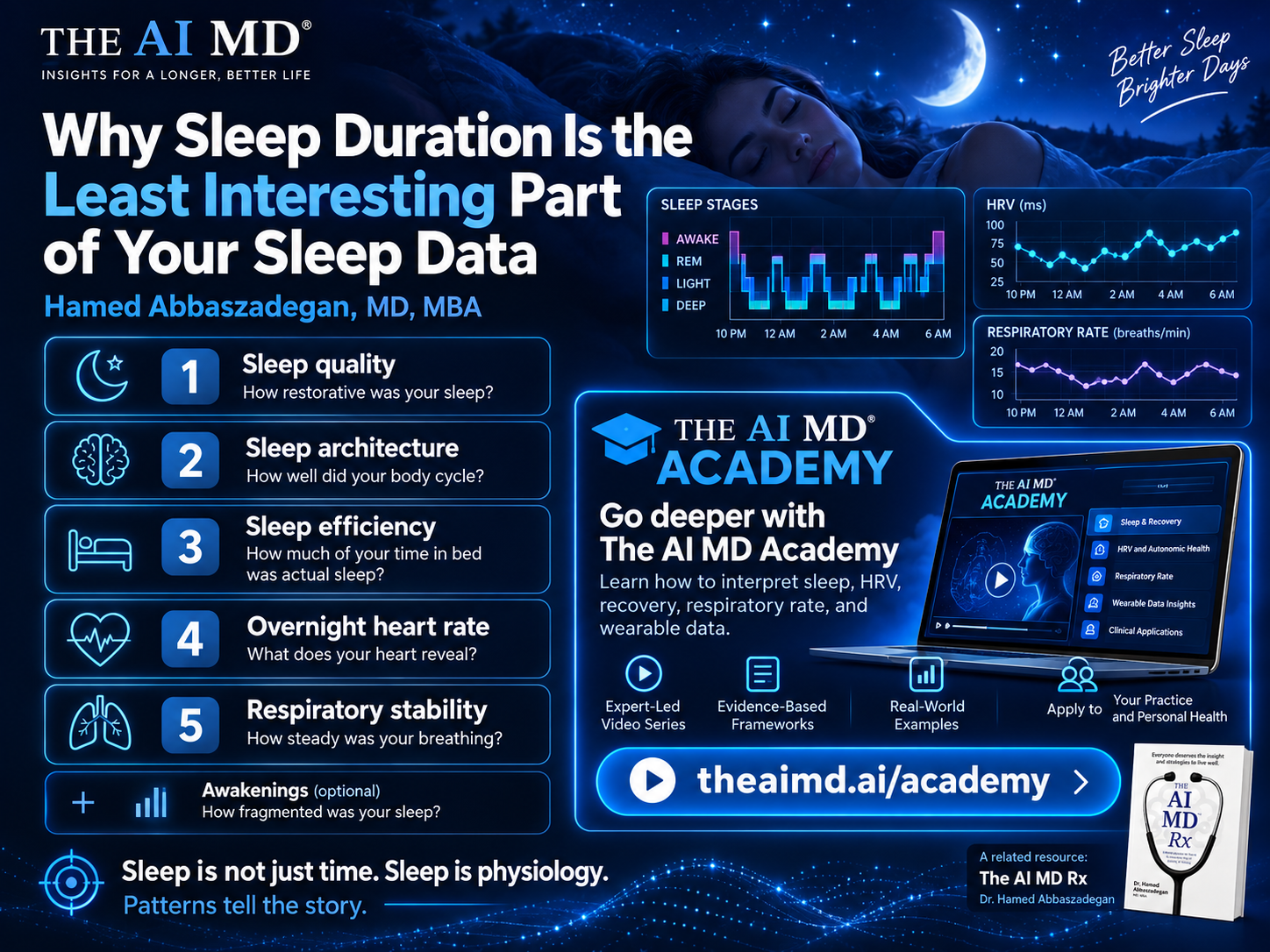
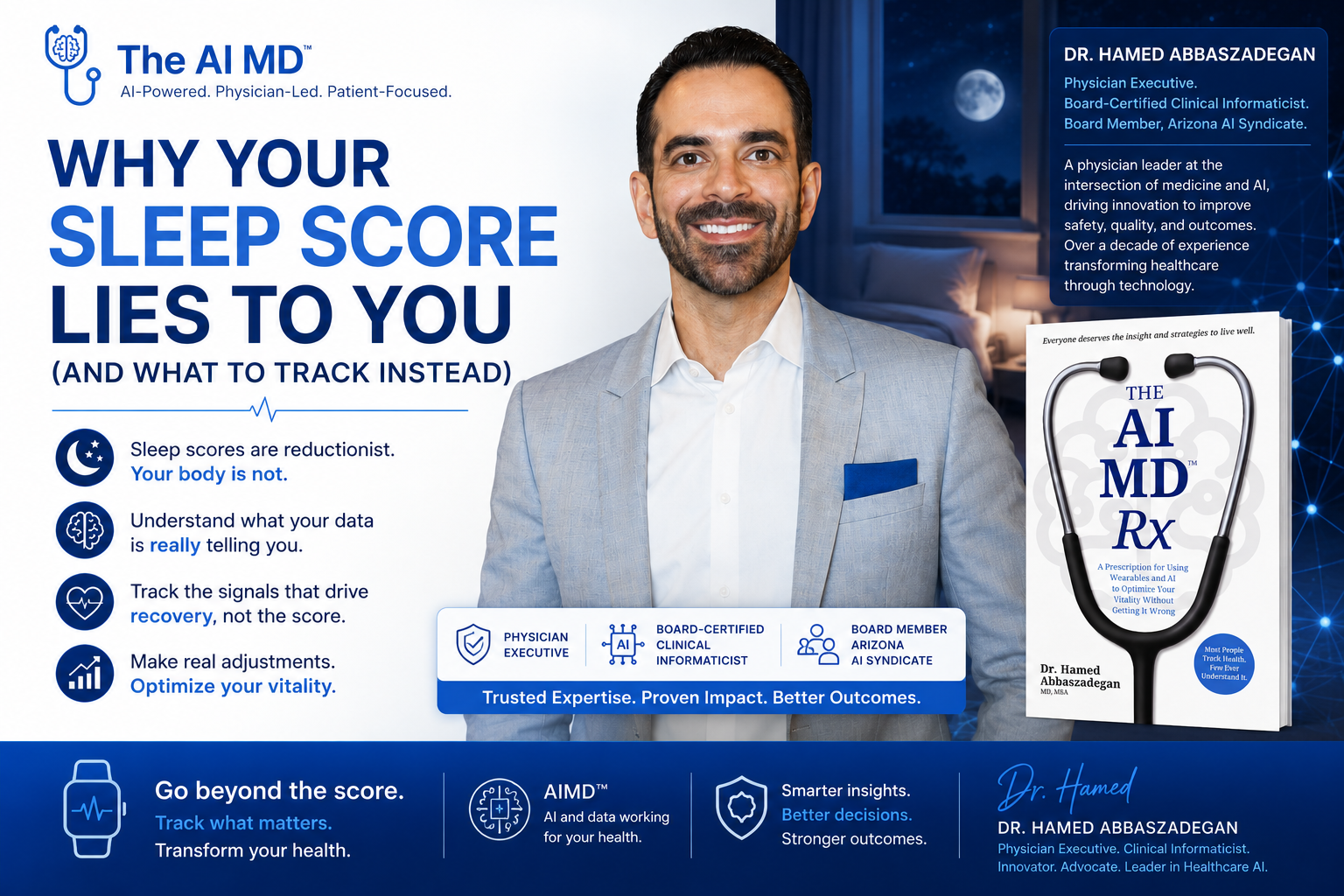
Your sleep score was 87 last night.
What does that actually mean?
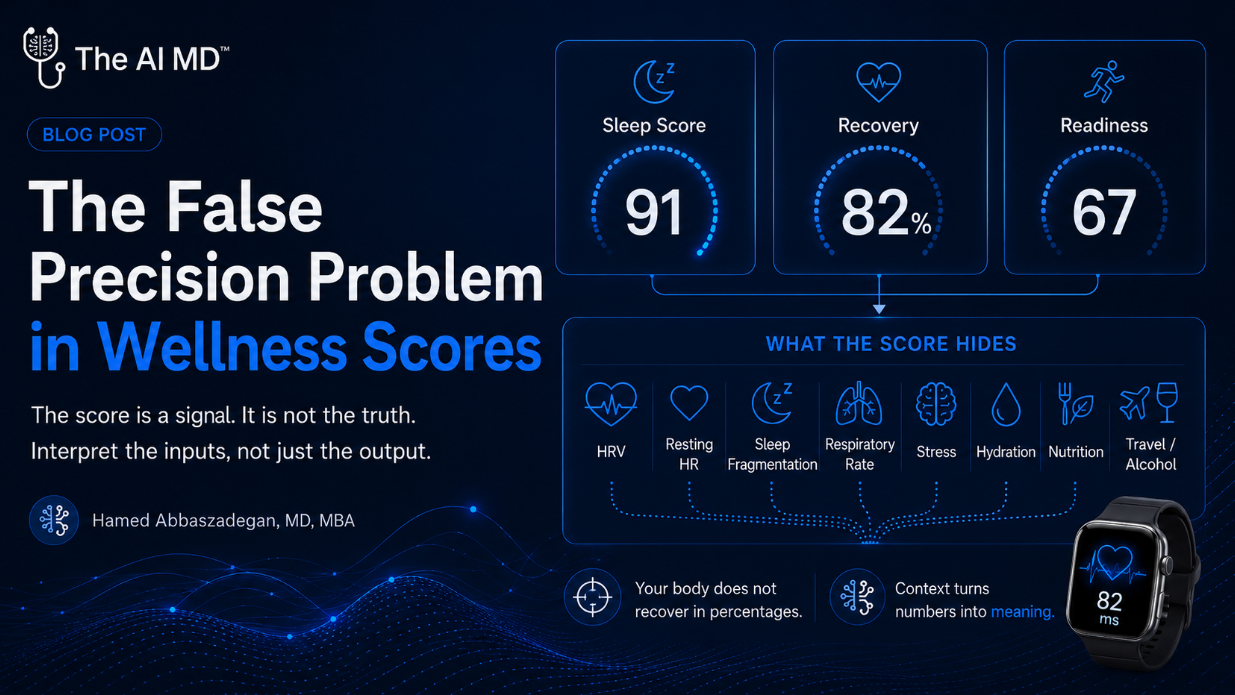
For most people, not enough. A sleep score looks precise. It gives you a clean number, usually color-coded, easy to understand, and emotionally persuasive. You wake up, check the score, and immediately decide whether you slept well or poorly. The problem is that your body does not recover according to an app score. Your body responds to physiology.
Most wearables calculate sleep scores using proprietary algorithms that weigh time in bed, sleep duration, estimated sleep stages, movement, restlessness, heart rate, and recovery signals differently. The score may be useful as a general summary, but the methodology is hidden. You do not know exactly what the algorithm prioritized, what it missed, or how much confidence it had in the measurement.
That matters.
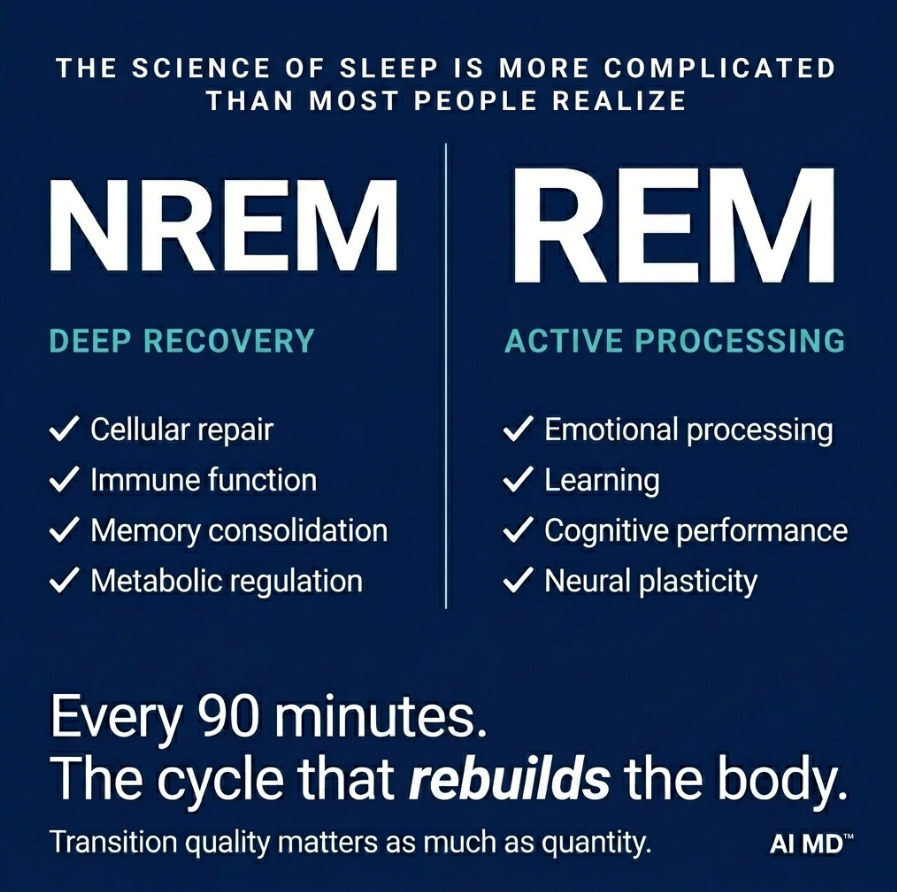
Sleep is not one thing. It is a complex biological process involving your brain, autonomic nervous system, cardiovascular system, respiratory system, hormones, metabolism, and recovery pathways. Compressing that into a single number may be helpful for motivation, but it is not enough for meaningful interpretation.
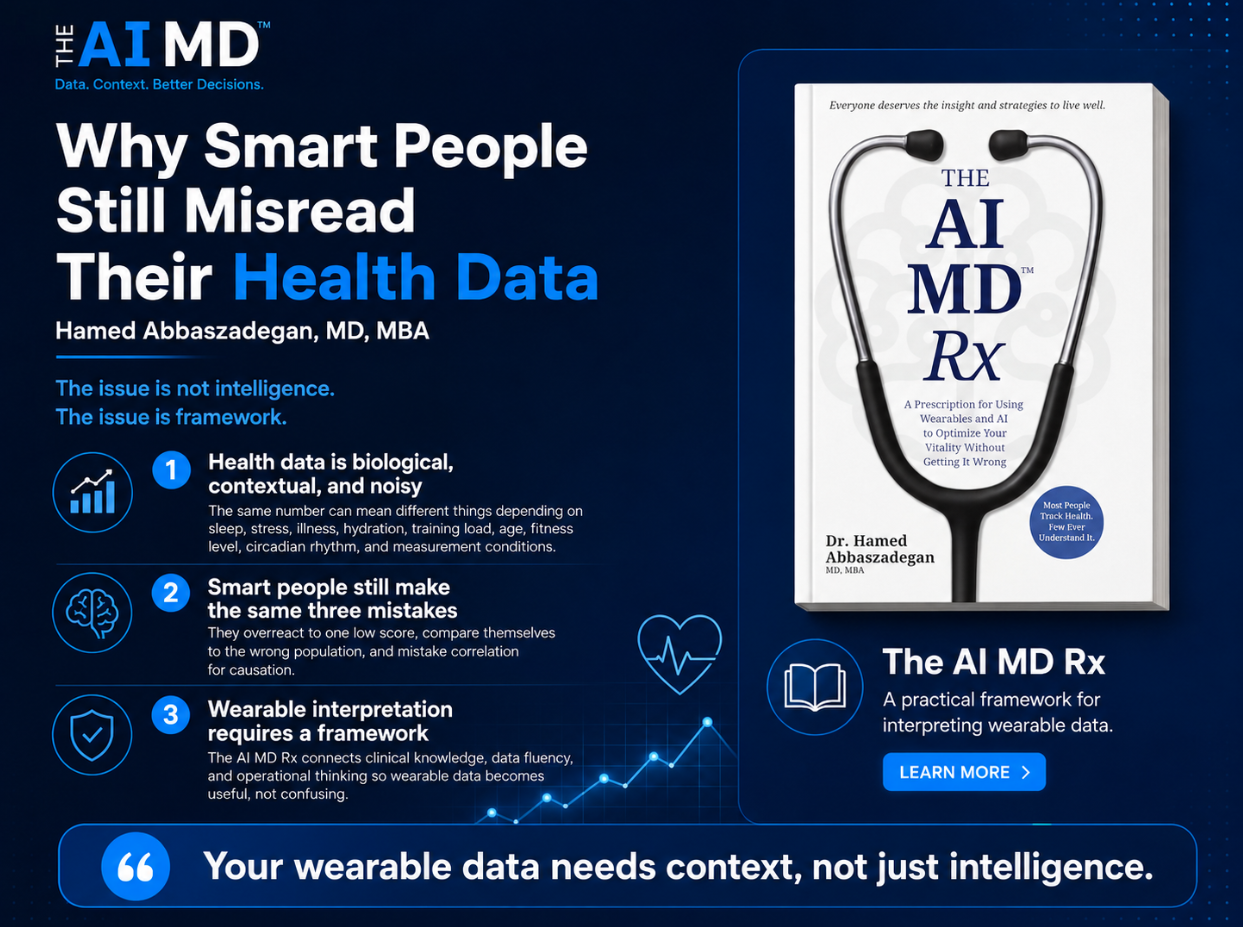
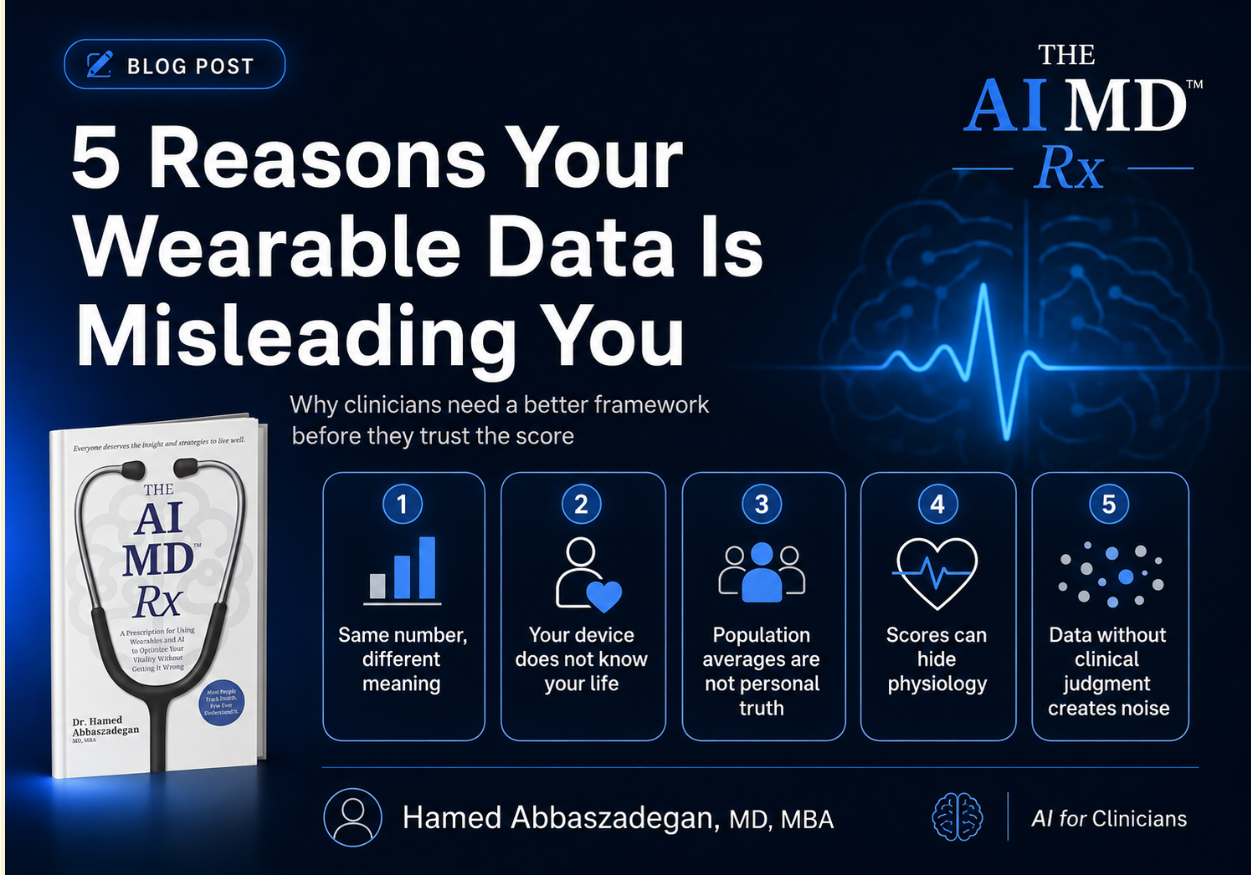
This is where people get misled. They treat the score as truth.
It is not truth.
It is a summary.
Here are two reasons your sleep score may be lying to you.
Sleep latency is the amount of time it takes you to fall asleep.
Most people focus on total sleep duration. They ask, “How many hours did I get?” That is useful, but it is not the whole story. The more important question may be, “How long did it take my nervous system to transition into sleep?”
If your sleep latency is consistently increasing, your body may be telling you something before your sleep score reflects it clearly. Longer sleep latency can be associated with stress dysregulation, evening stimulation, poor circadian alignment, late caffeine exposure, irregular sleep timing, emotional activation, or difficulty downshifting from the day.
A person can still receive a decent sleep score while their latency is getting worse. That is the problem.
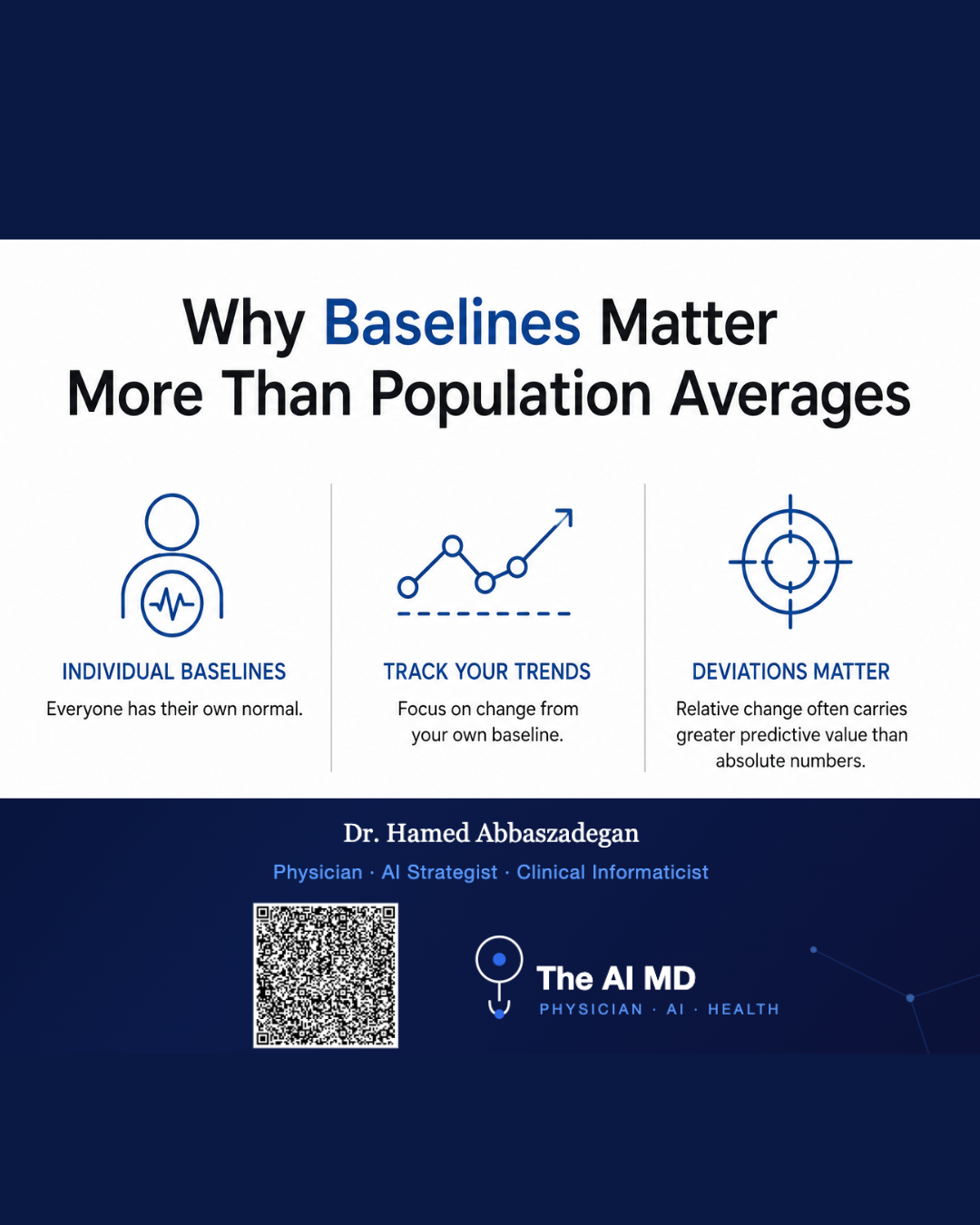
The score may say you slept “well enough,” but your physiology may show that your nervous system is struggling to enter recovery mode. If it takes longer and longer to fall asleep, the issue is not simply sleep duration. It may be a regulation problem. This is why trend matters more than a single night.
One night of delayed sleep onset may mean very little. Three weeks of increasing sleep latency is a different conversation. That pattern may suggest your evening routine, stress load, light exposure, work schedule, travel, or recovery strategy needs attention.
The number is not the insight.
The pattern is the insight.
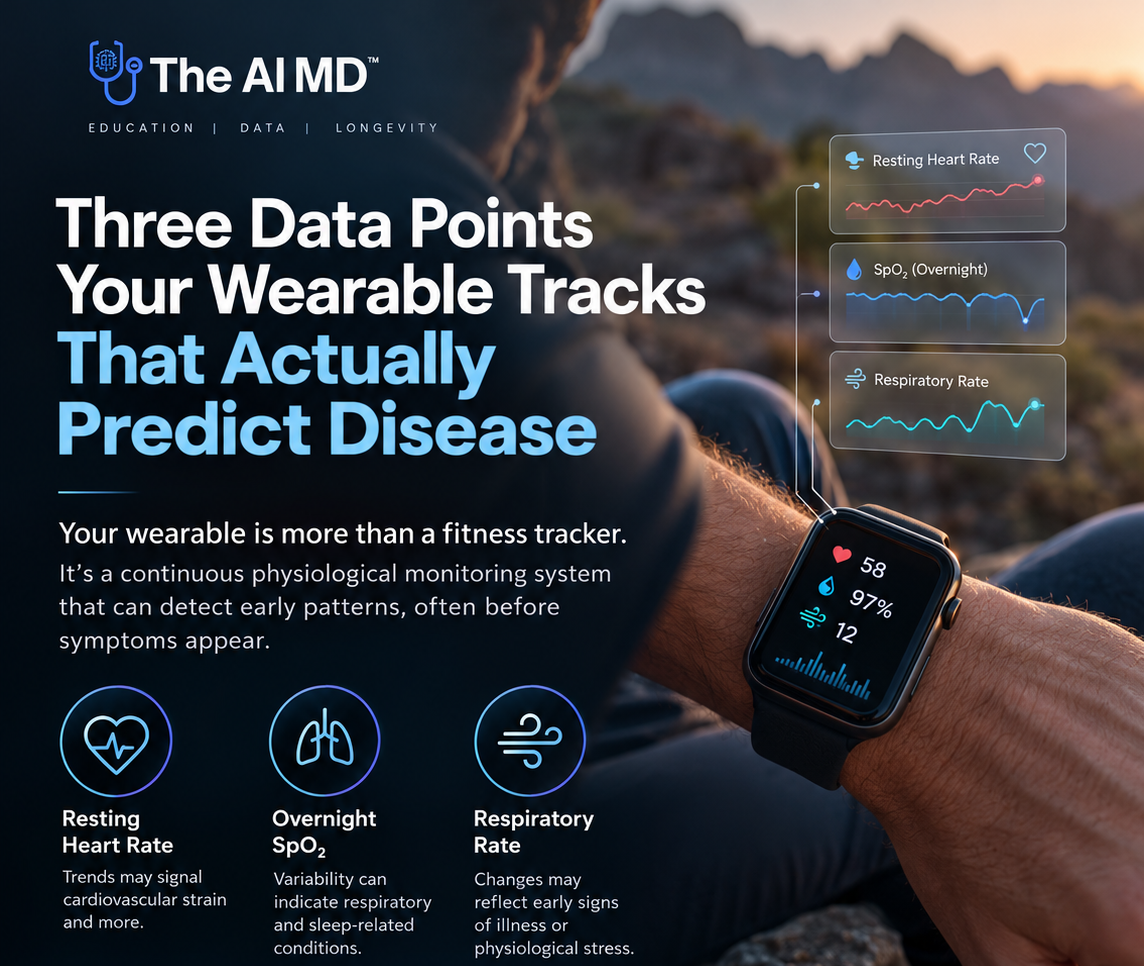
Respiratory rate during sleep is one of the most overlooked wearable metrics.
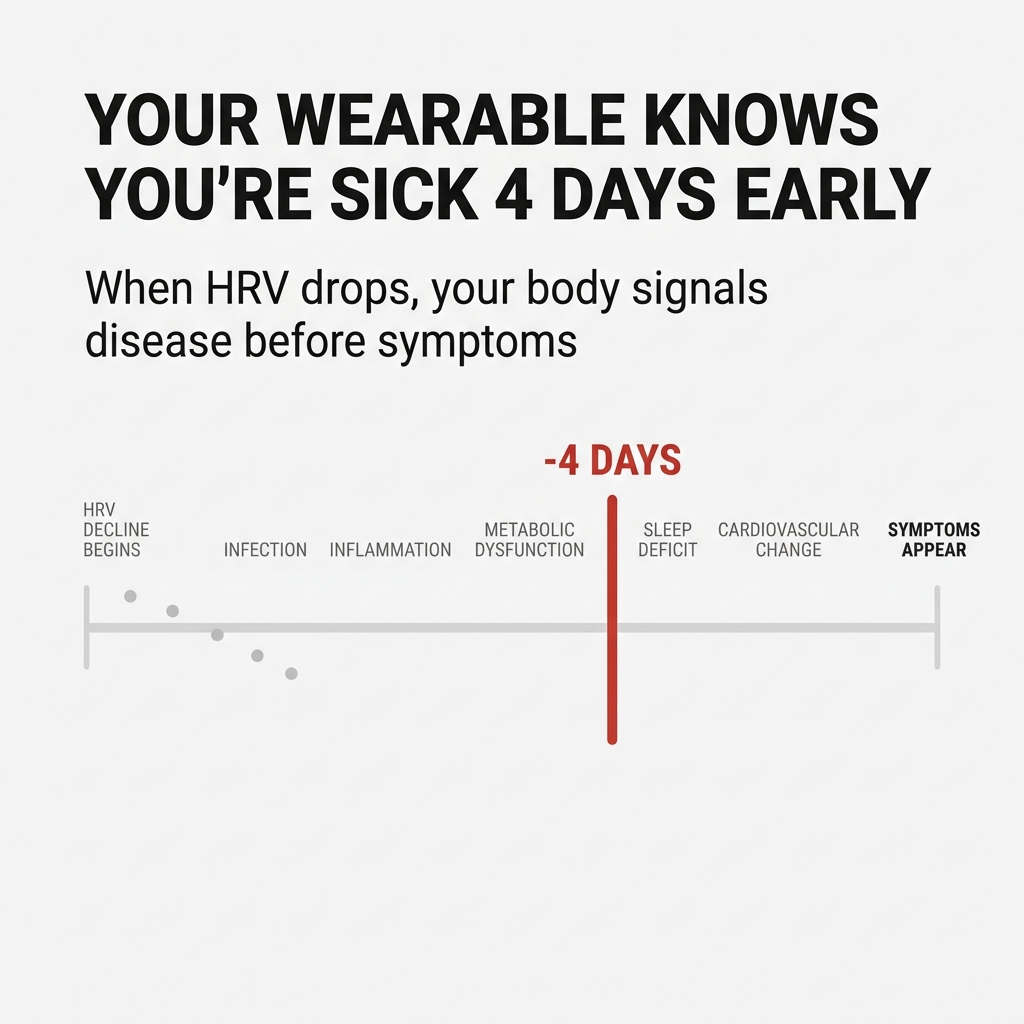
Most people check sleep score, sleep duration, maybe HRV, and then move on. But your overnight breathing pattern can reveal important physiological stress that a simple sleep score may not explain.
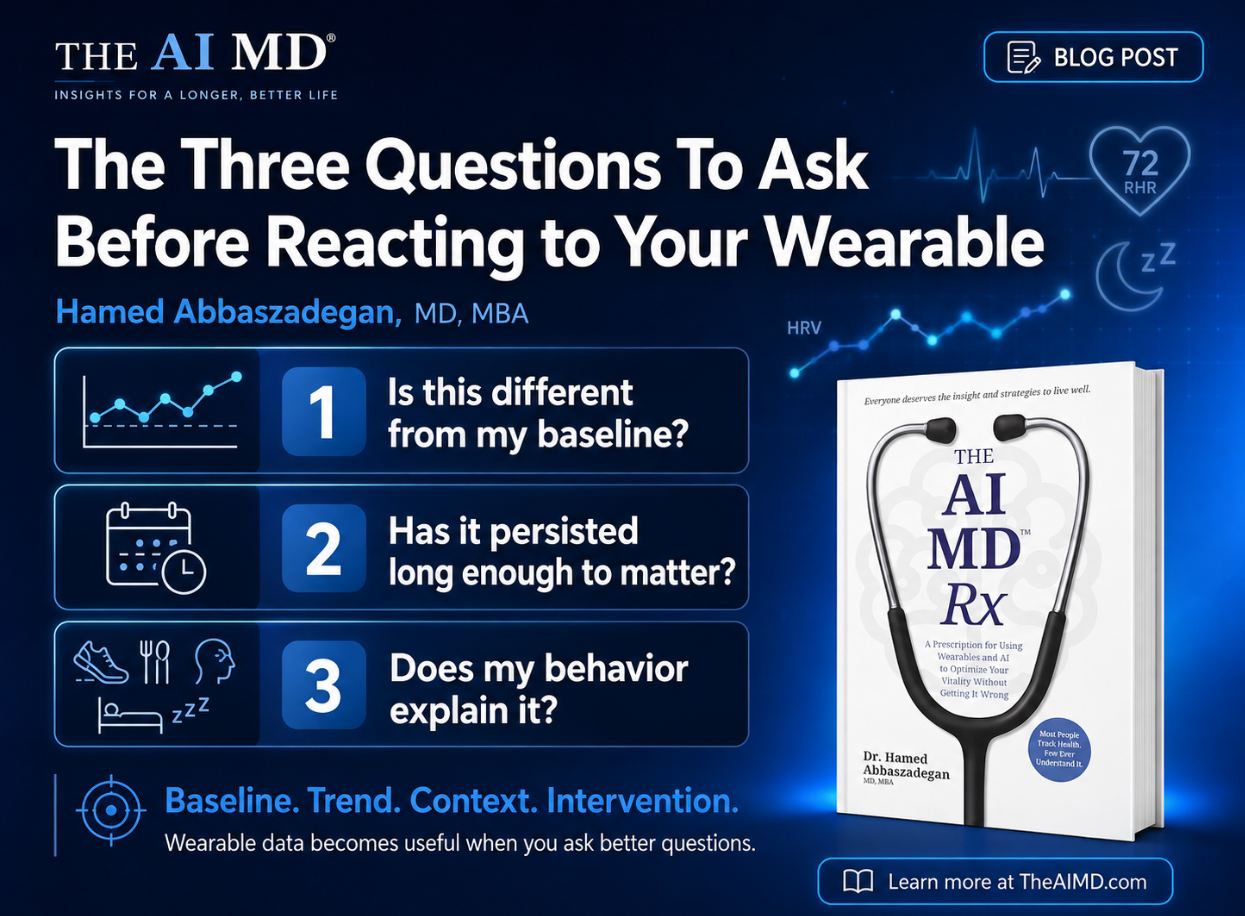
Elevated or erratic respiratory rate during sleep may reflect illness, alcohol exposure, poor recovery, sleep apnea risk, cardiovascular strain, autonomic nervous system dysfunction, or other physiological disruption. The key is not to overreact to one reading. The key is to compare your respiratory rate to your baseline and watch for sustained changes.
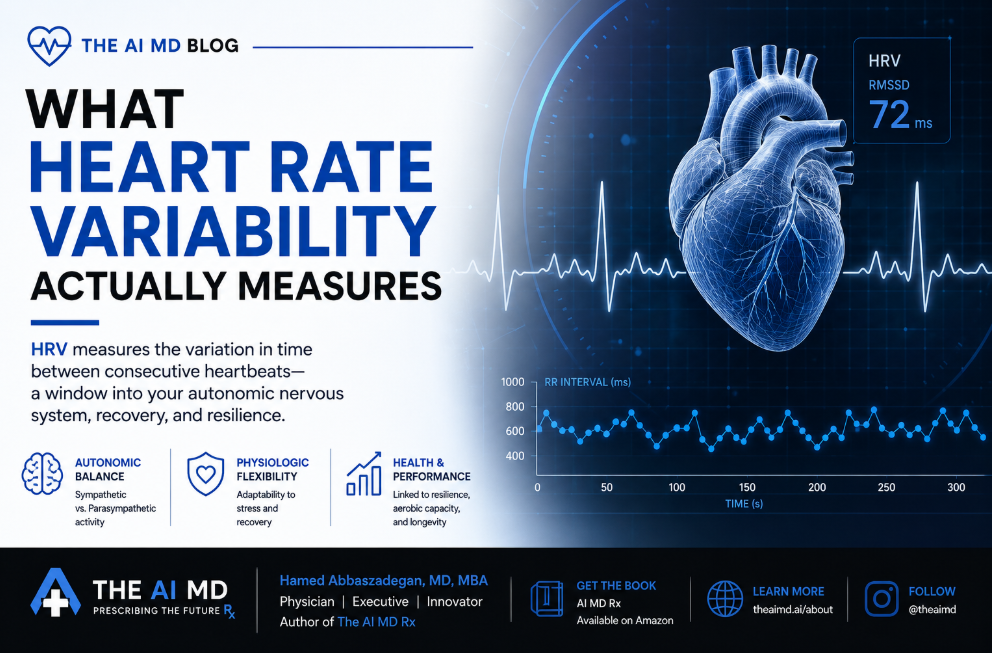
A sleep score can look acceptable while respiratory rate is drifting upward. That should get your attention. If your sleep score is 87, but your respiratory rate is elevated above baseline, your resting heart rate is higher than usual, and your HRV is suppressed, the score may be hiding the real signal. You may not be recovered just because the app gave you a good number. This is why I do not teach people to worship sleep scores. I teach them to interpret physiology. The better question is not, “Was my sleep score good?”
The better questions are:
How long did it take me to fall asleep?
Did my breathing stay close to baseline?
Did my resting heart rate drop appropriately overnight?
Did my HRV recover?
Did I wake up feeling restored?
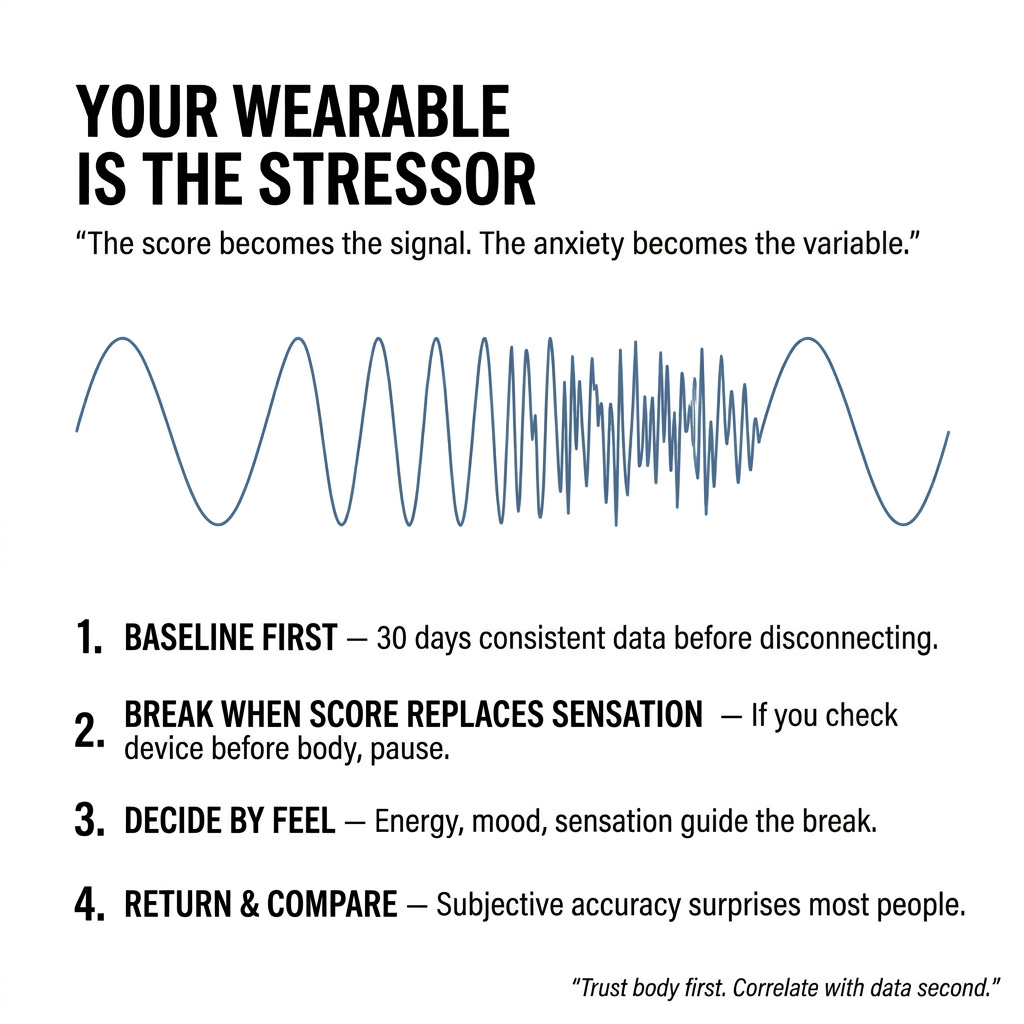
Does the data match how I feel?
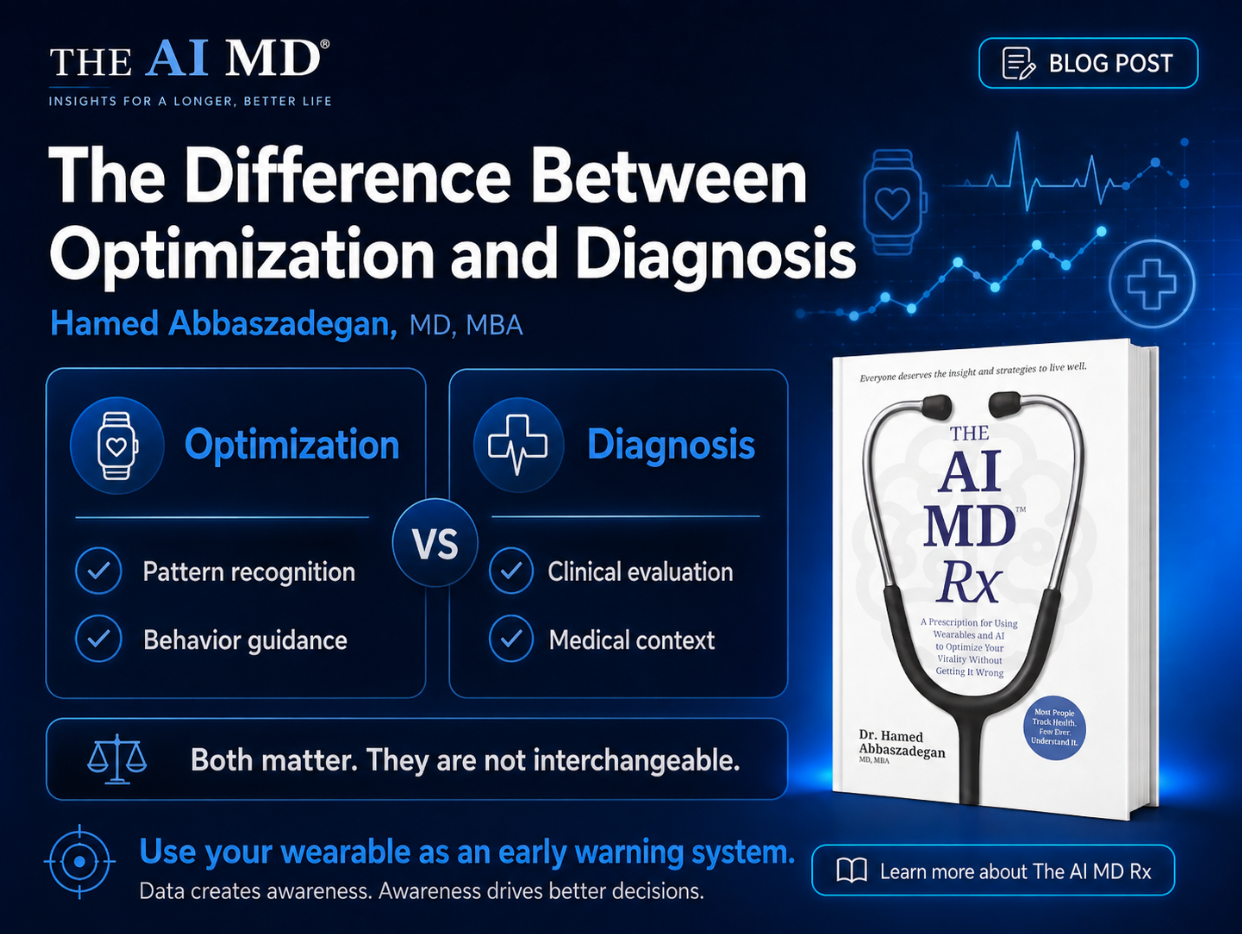
That is the difference between tracking and interpretation.
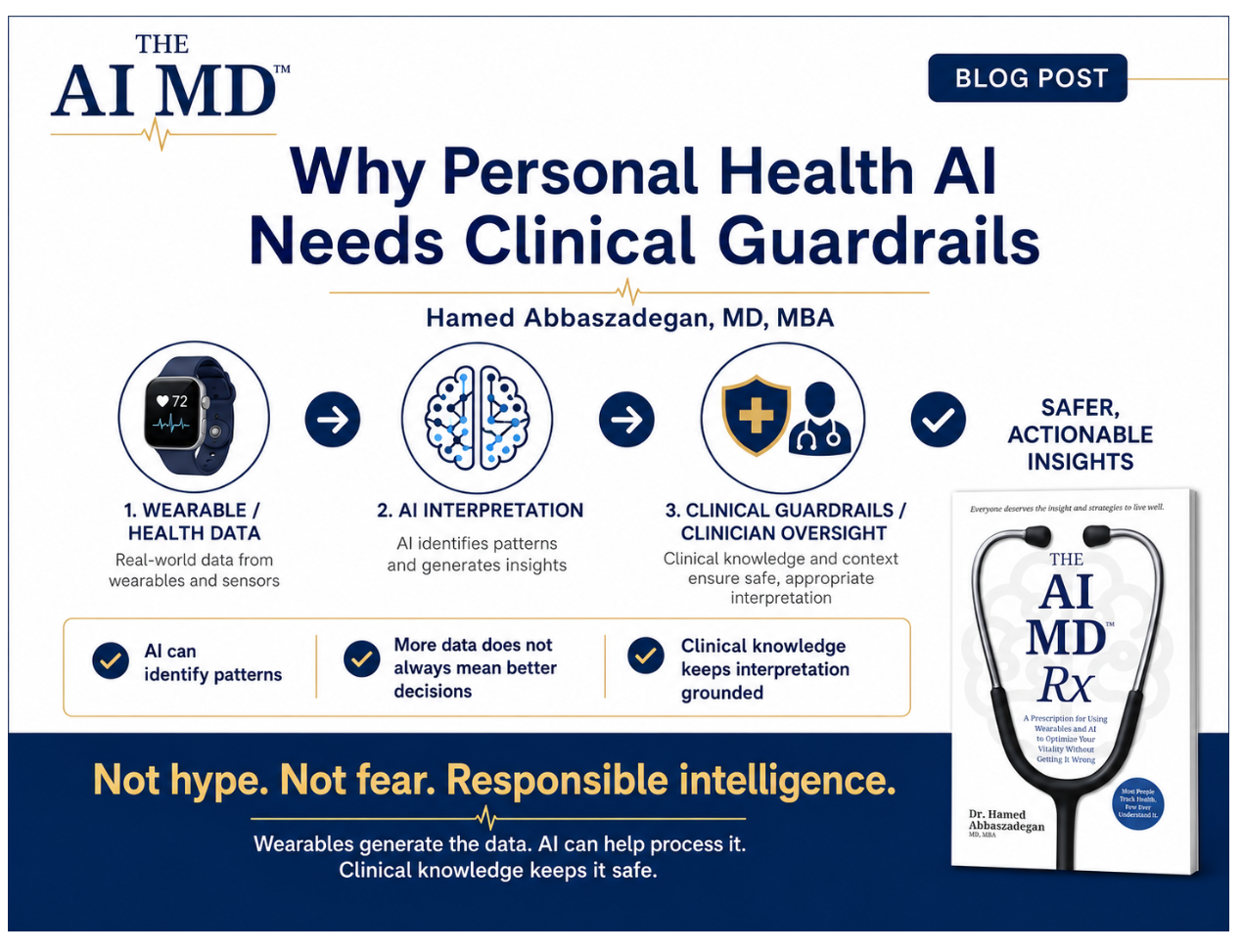
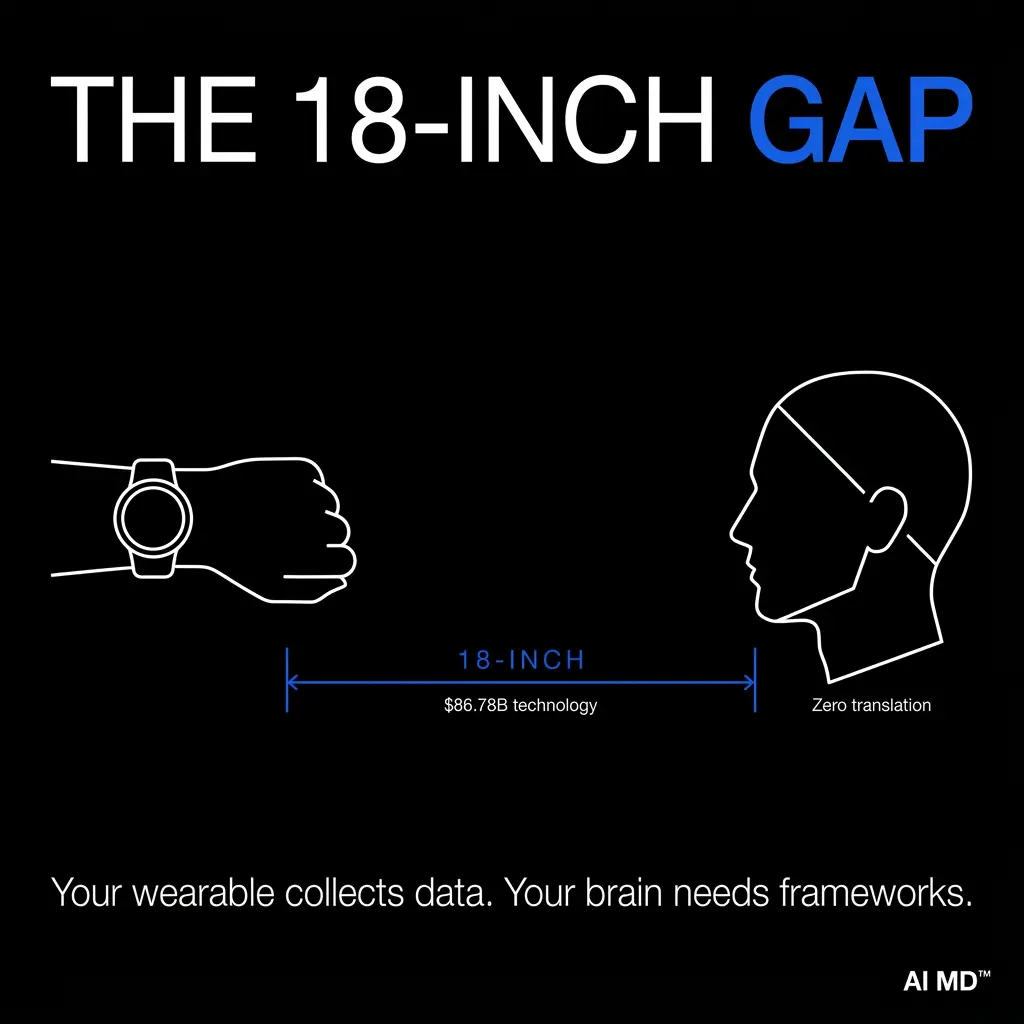
Your wearable can collect the data every night. But collection is not comprehension. A device can tell you what happened. It cannot always tell you why it happened or what you should do next. That is the gap The AI MD Rx was written to close.
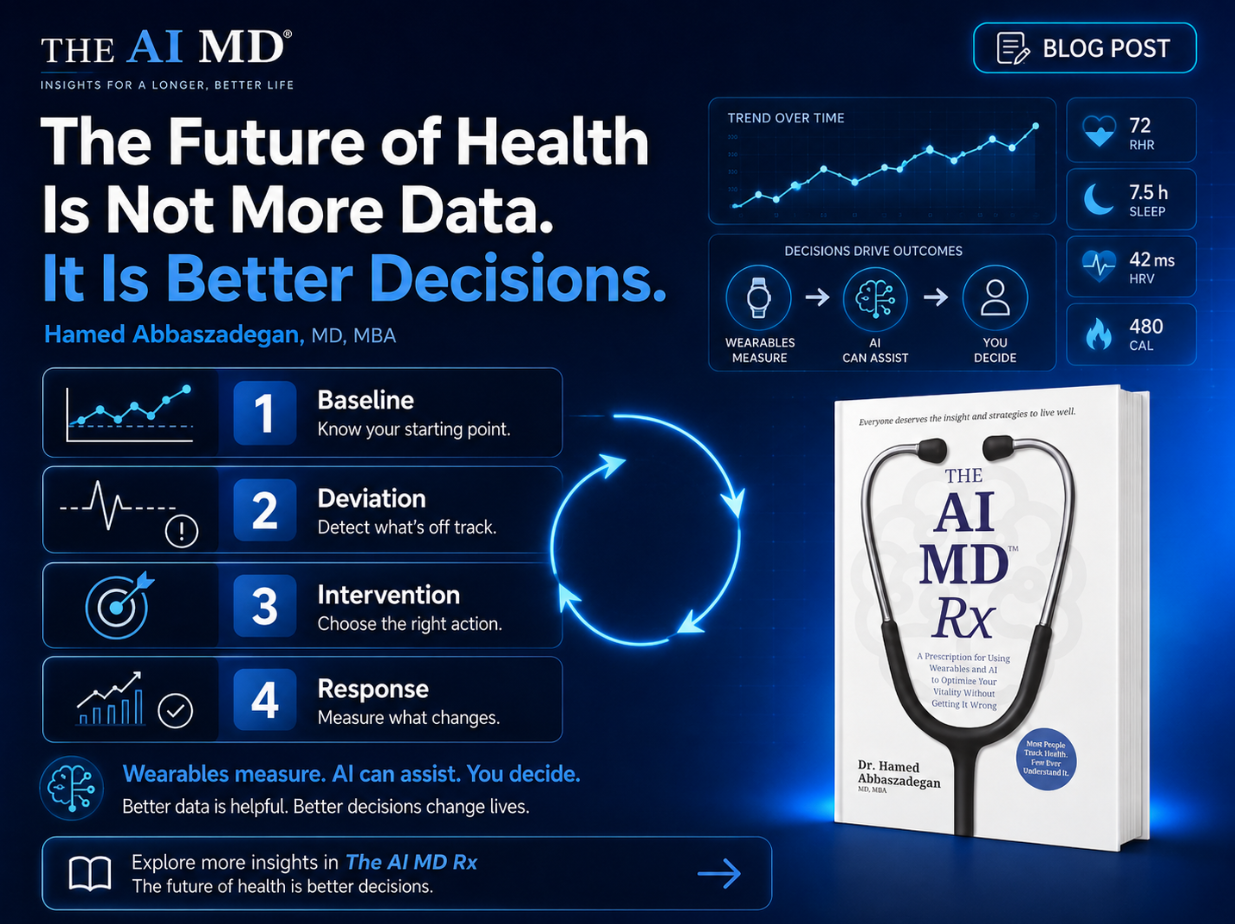
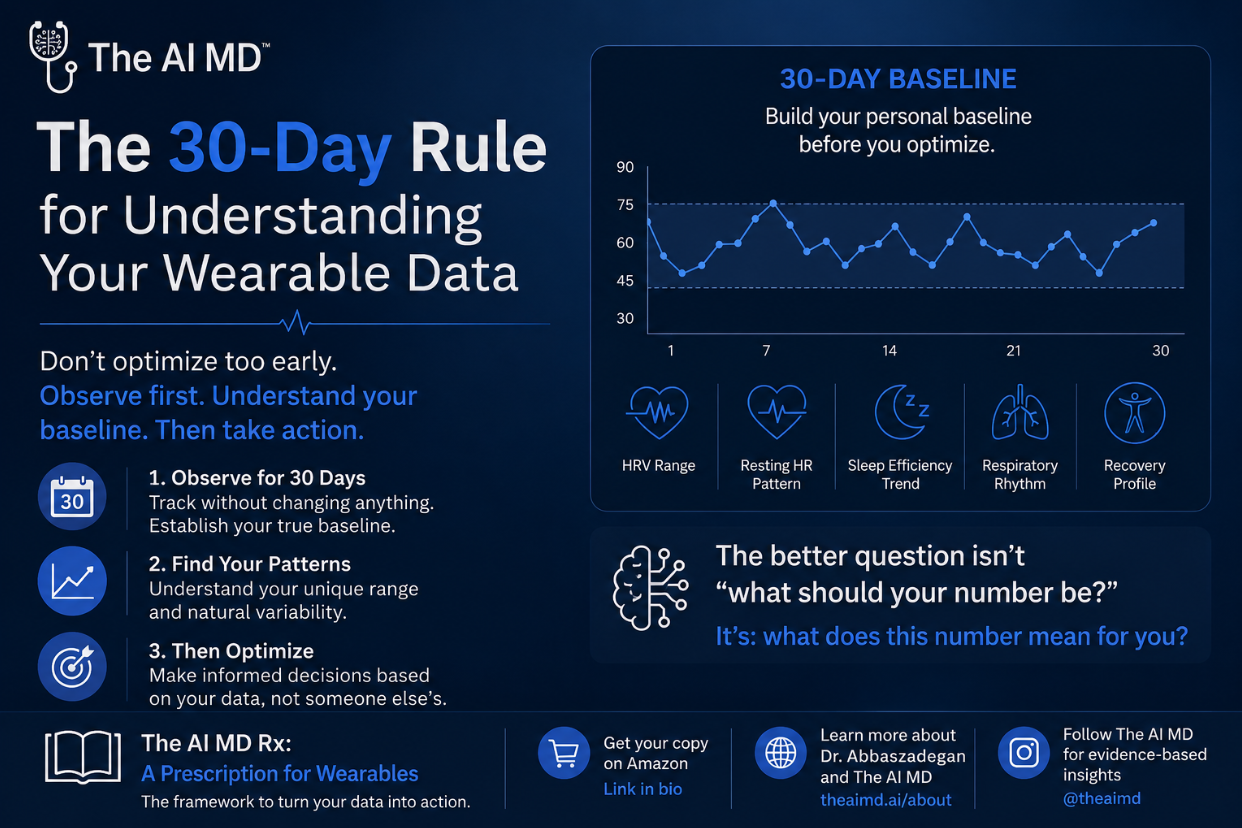
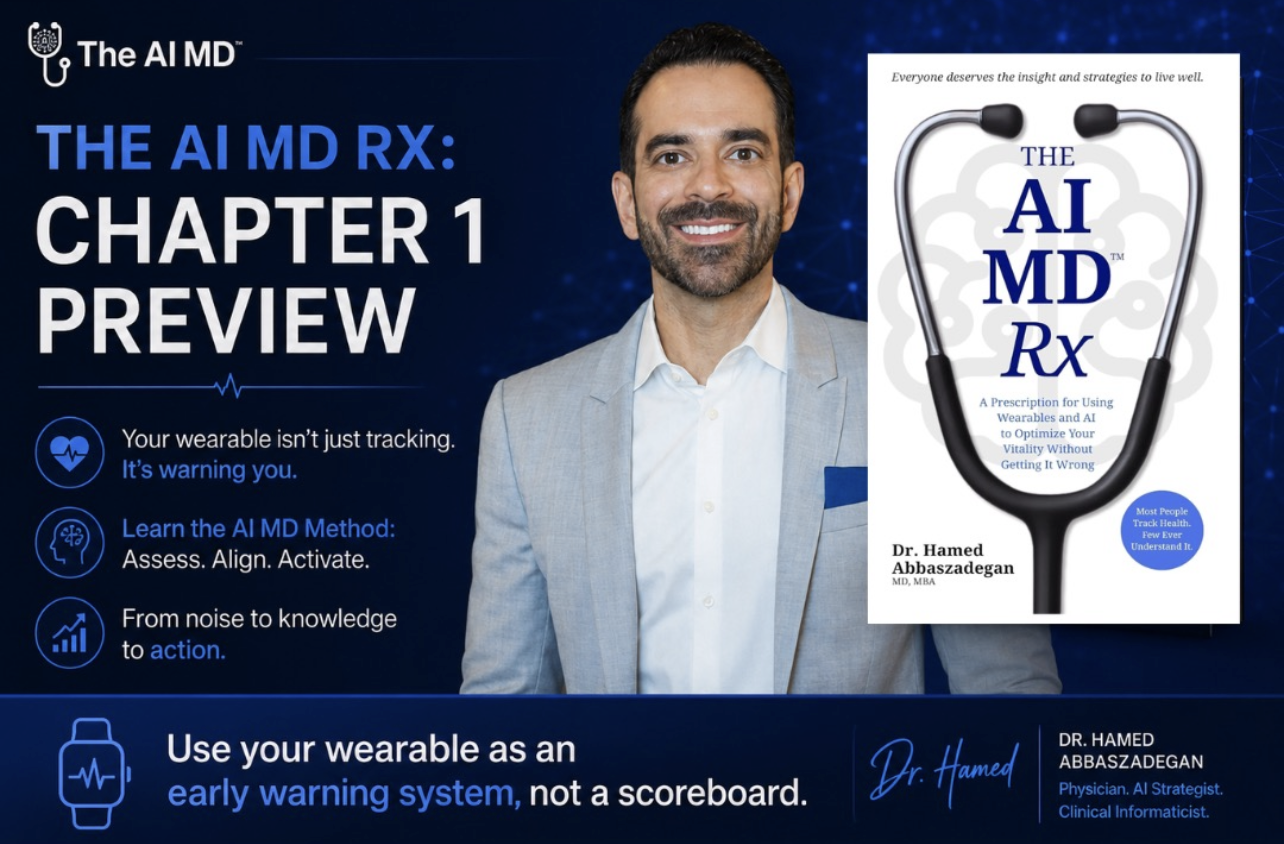
The AI MD Rx teaches you how to move beyond the scoreboard and interpret your wearable data through baseline, trend, context, and clinical reasoning. Your sleep score is only the beginning. The real value is learning how to recognize the patterns your body is producing before they become bigger problems. Your wearable is collecting the data every night. The framework to use it is in the book.
Ready to move beyond the score?
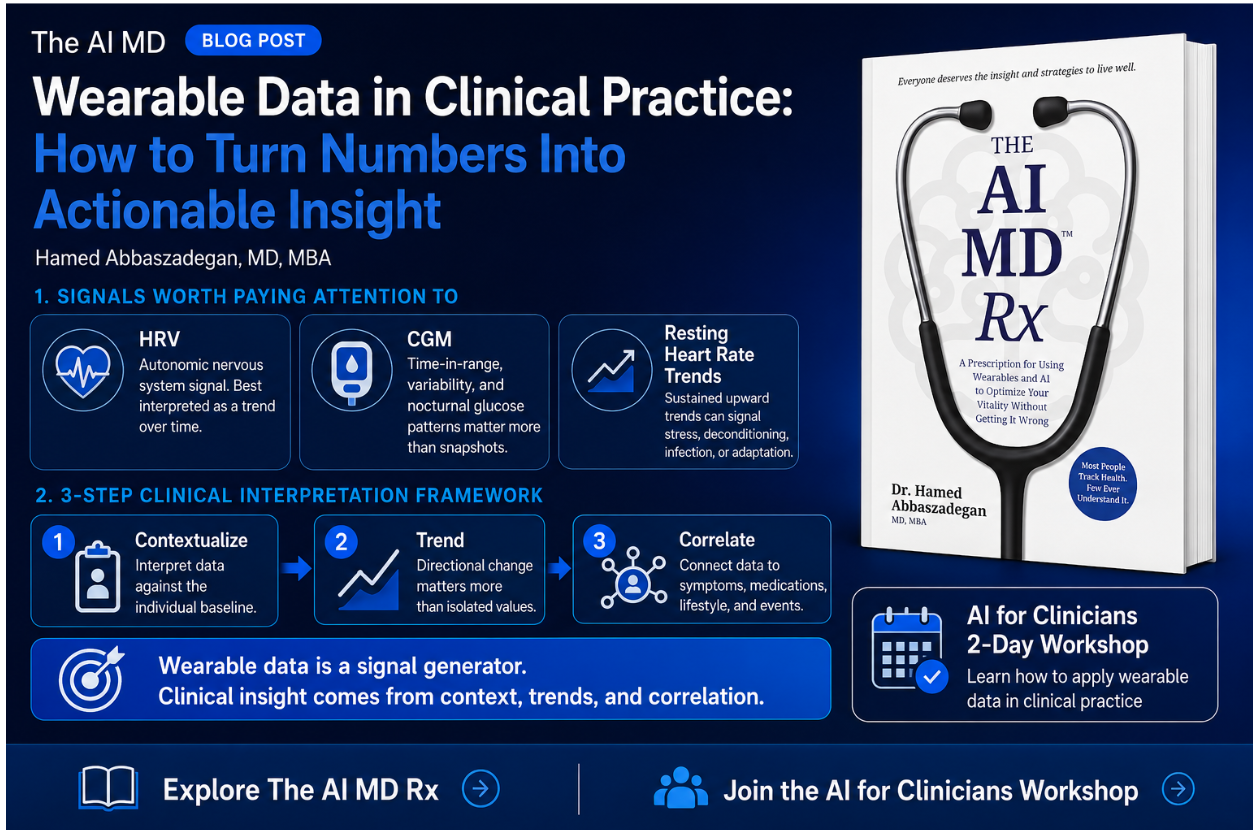
Your wearable is collecting data every day, but the real value comes from knowing how to interpret it. Sleep, HRV, resting heart rate, recovery, respiratory rate, and other health metrics are only useful when you understand your personal baseline, recognize meaningful trends, and know what actions make sense.
The AI MD™ helps you turn health data into clearer decisions.
📖 Start with the book:
Get The AI MD Rx: A Prescription for Using Wearables and AI to Optimize Your Vitality Without Getting It Wrong and learn the framework for making sense of your wearable data.
https://www.amazon.com/AI-MD-Rx-Prescription-Wearables/dp/B0H38BTM83
🎥 Go deeper with the Academy:
Enroll in The AI MD™ Academy video series to learn how to apply AI-powered health optimization, interpret key wearable metrics, and build a personalized strategy for sleep, recovery, energy, performance, and long-term vitality.
https://theaimd.ai/academy
🌐 Explore more articles and learn more:
Read more insights on AI, wearables, digital health, longevity, and the future of medicine.
https://theaimd.ai
Your data is only the beginning.
The framework is what turns it into action.
#AIForClinicians #TheAIMD #WearableTechnology #HealthcareAI #ClinicalInformatics #DigitalHealth #HealthData #ResponsibleAI #MedicalEducation #CME














Stay Connected
If you’d like these insights delivered straight to your inbox, you can sign up below. You’ll receive evidence-based perspectives on AI in healthcare, practical implementation guidance, and updates on speaking engagements and media appearances.