

August 10, 2026
Hamed Abbaszadegan, MD, MBA
AI can help people understand their health data.
It can also mislead them.
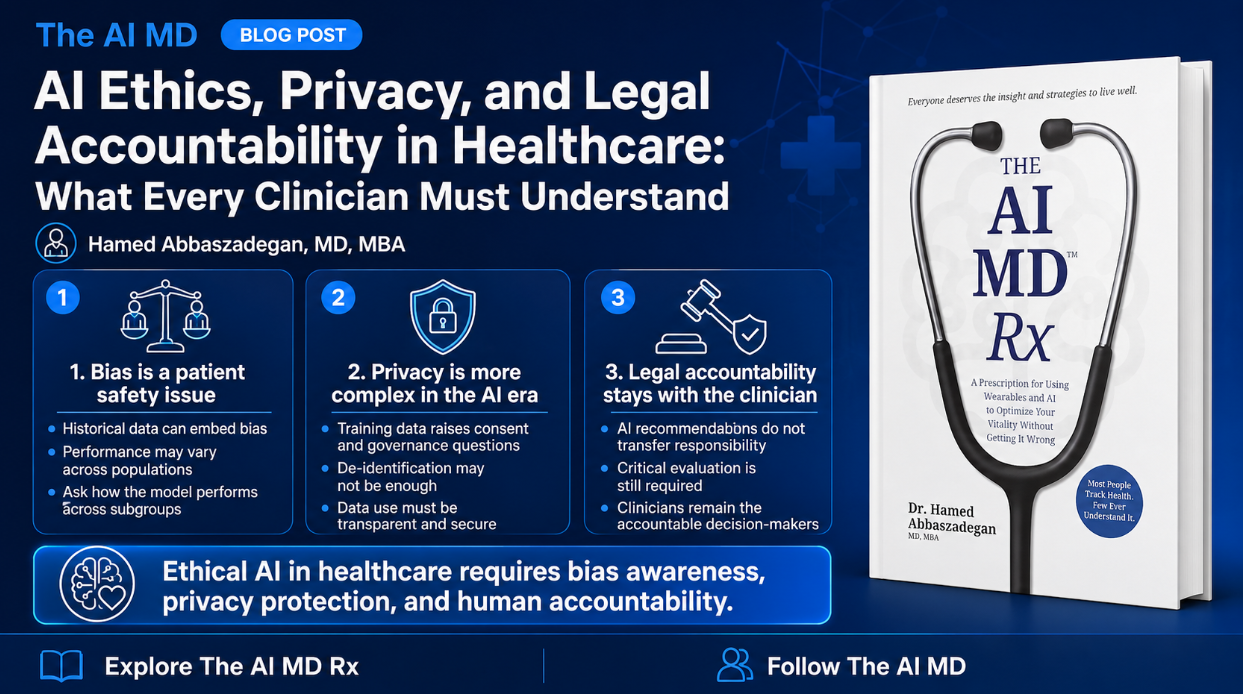
The difference is governance.
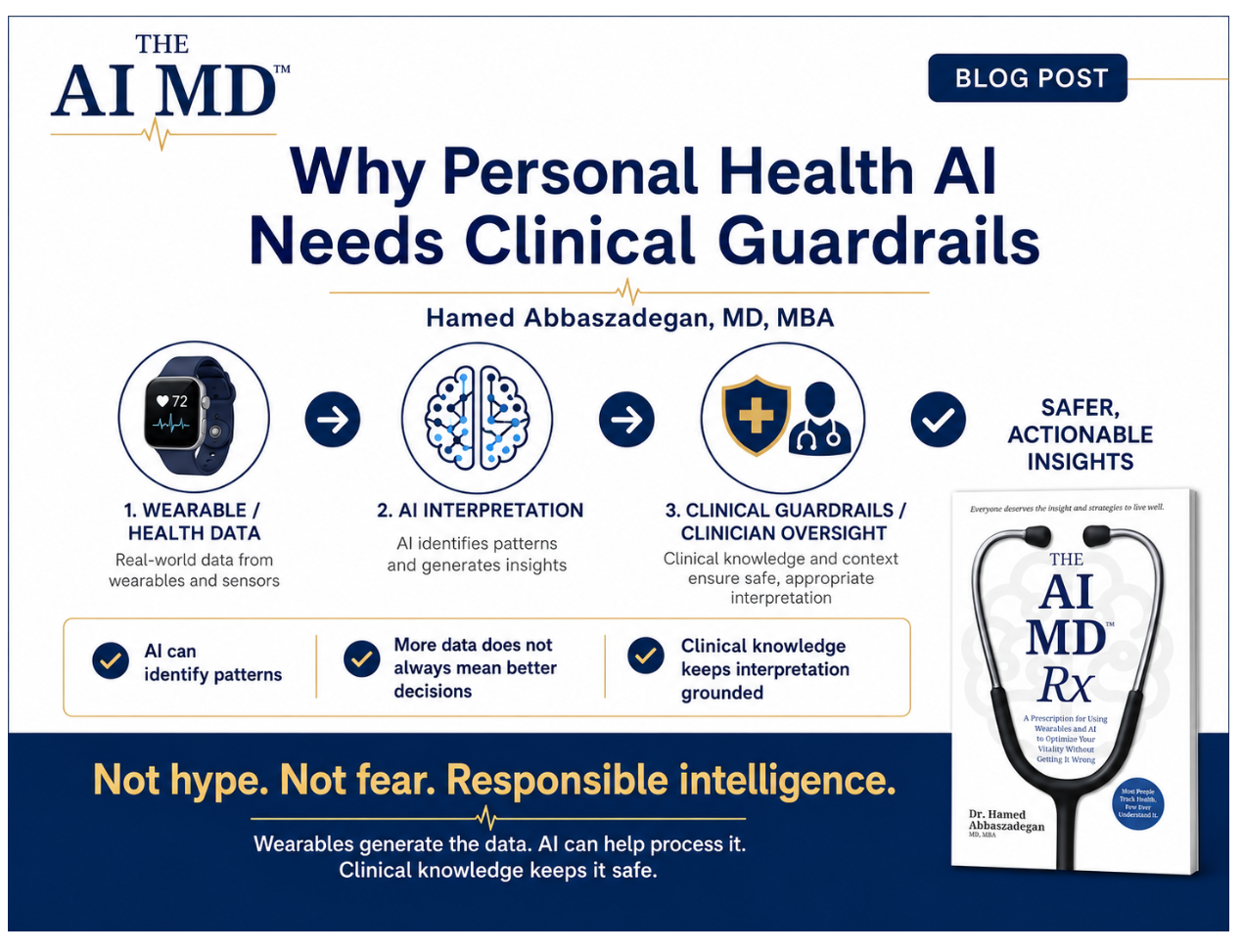
Personal health AI is moving quickly. People are connecting wearable data, symptom logs, nutrition data, sleep metrics, and activity trends into AI tools that generate recommendations. That can be powerful. It can also become dangerous when the tool lacks clinical context, safety boundaries, and an understanding of what should trigger medical evaluation.
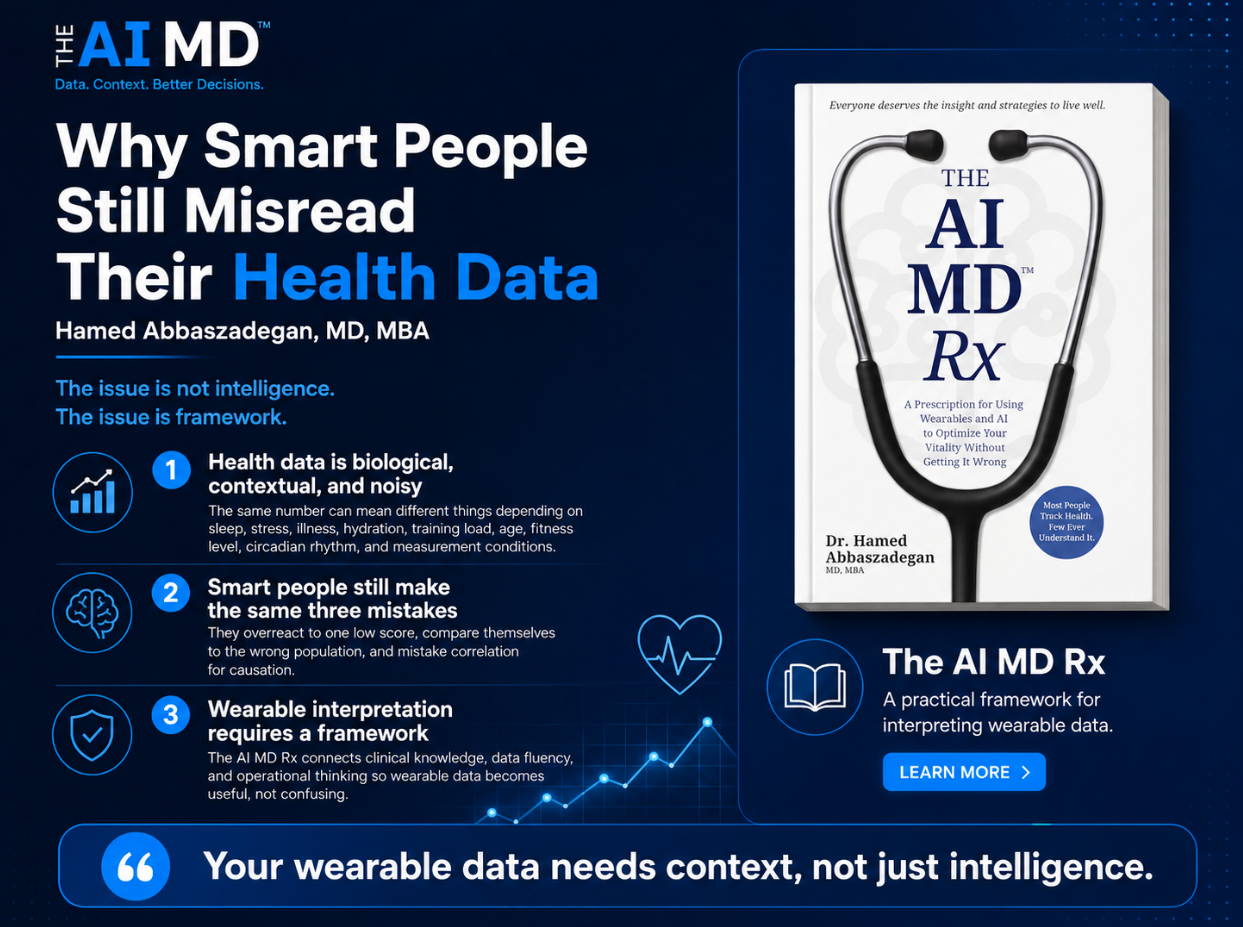
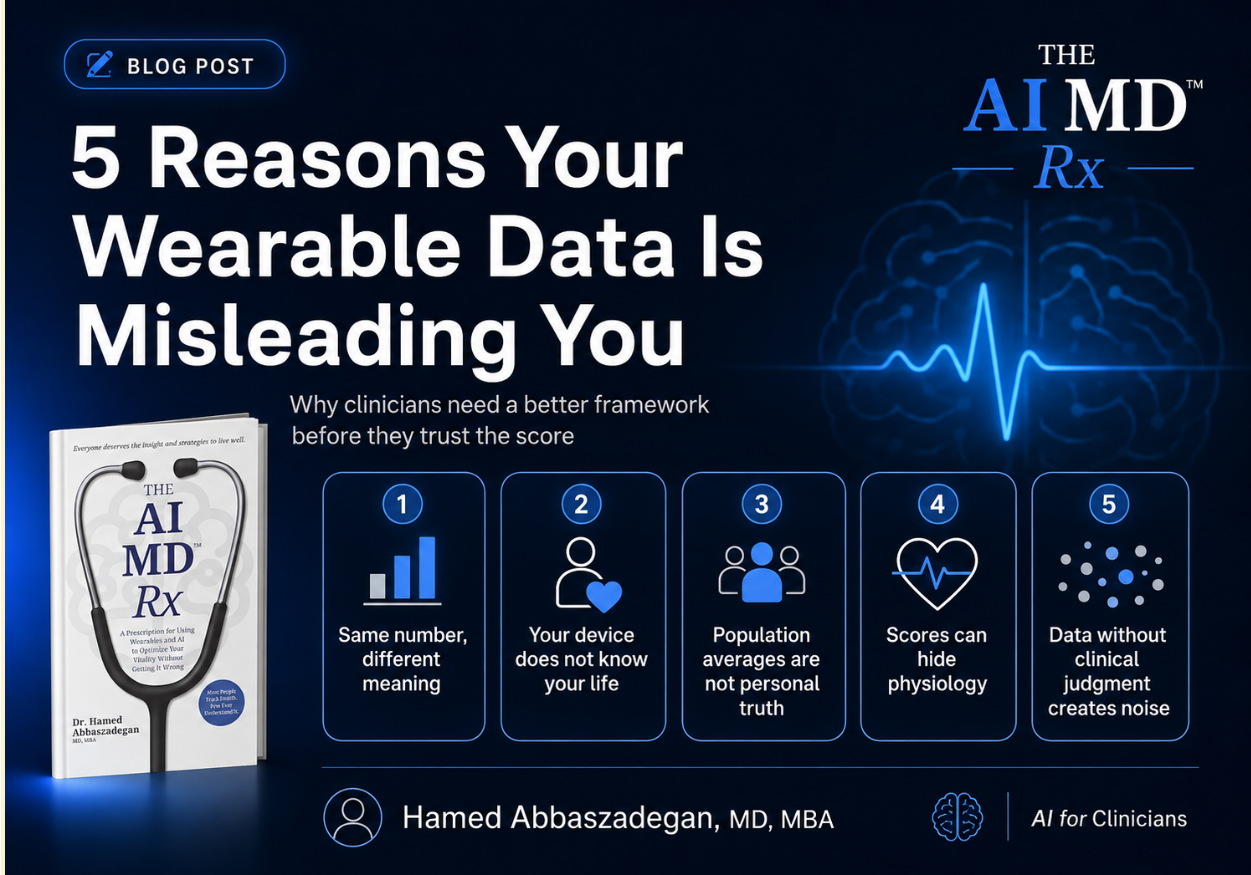
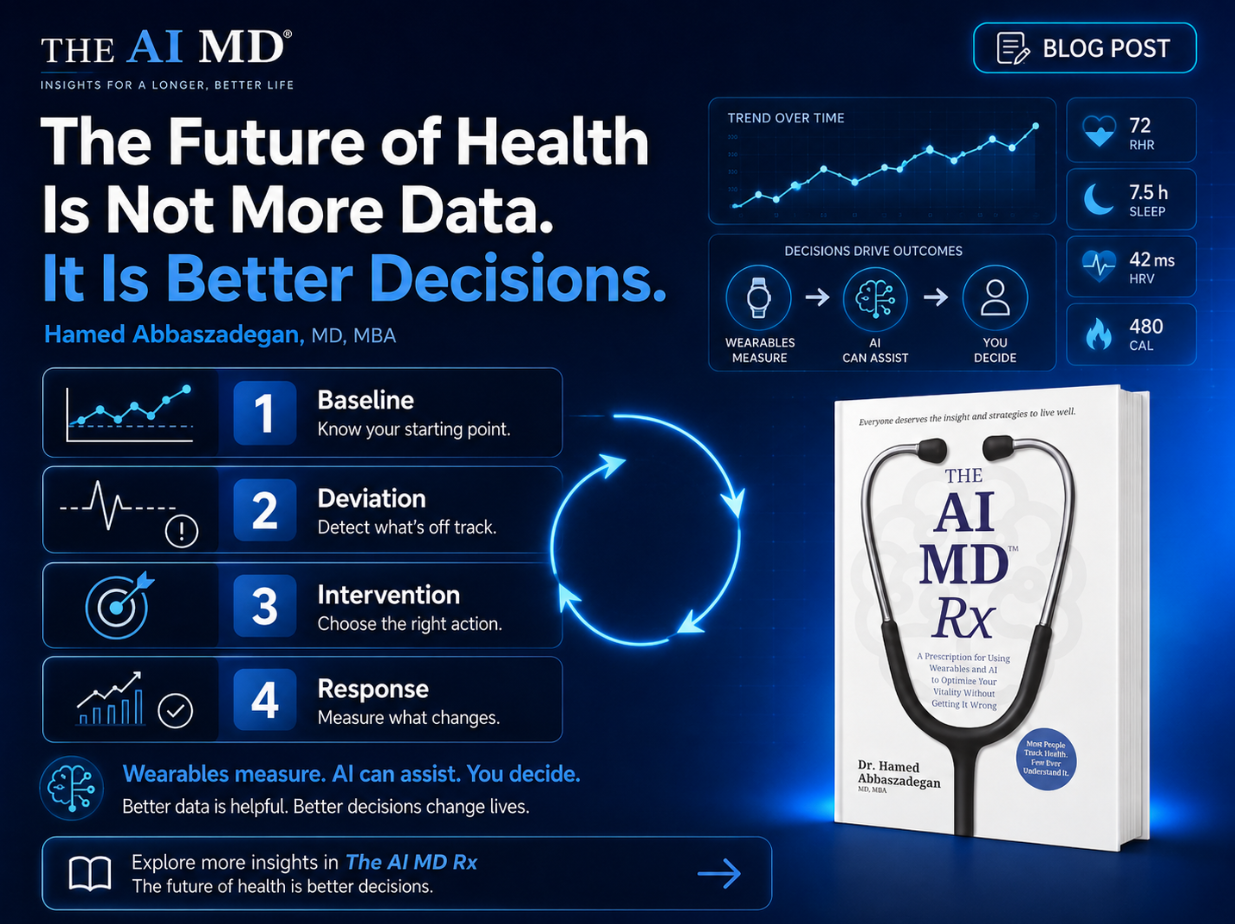
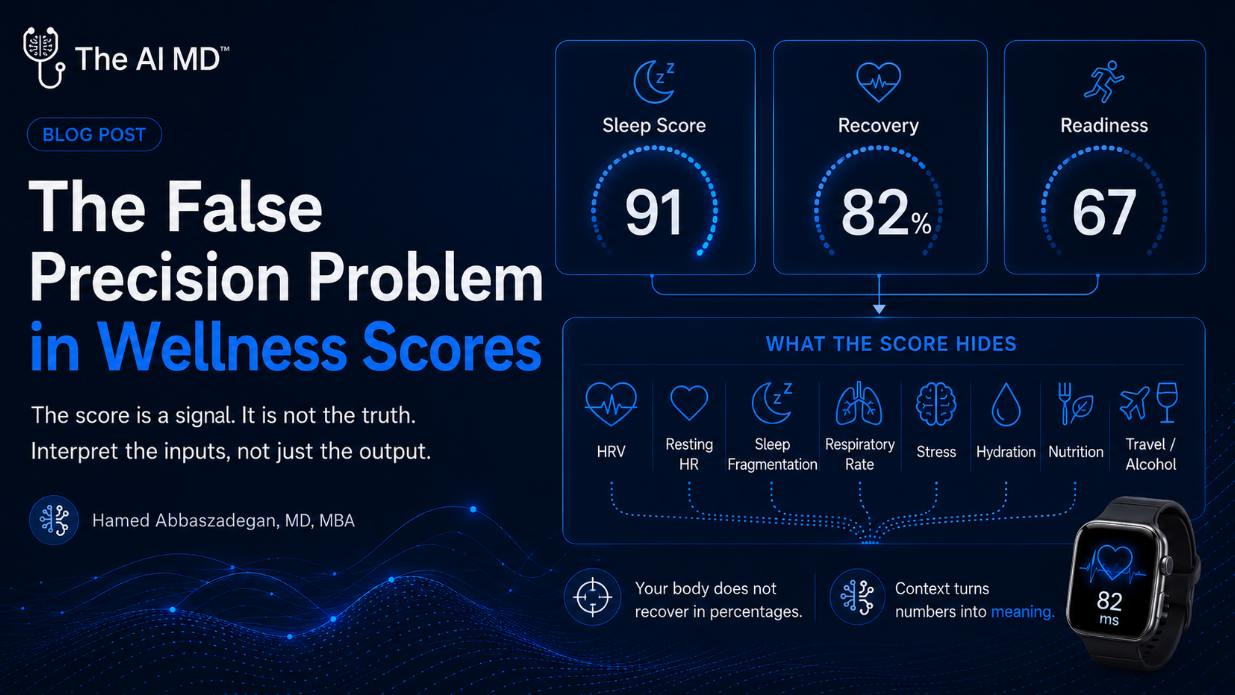
More data does not automatically mean better decisions.
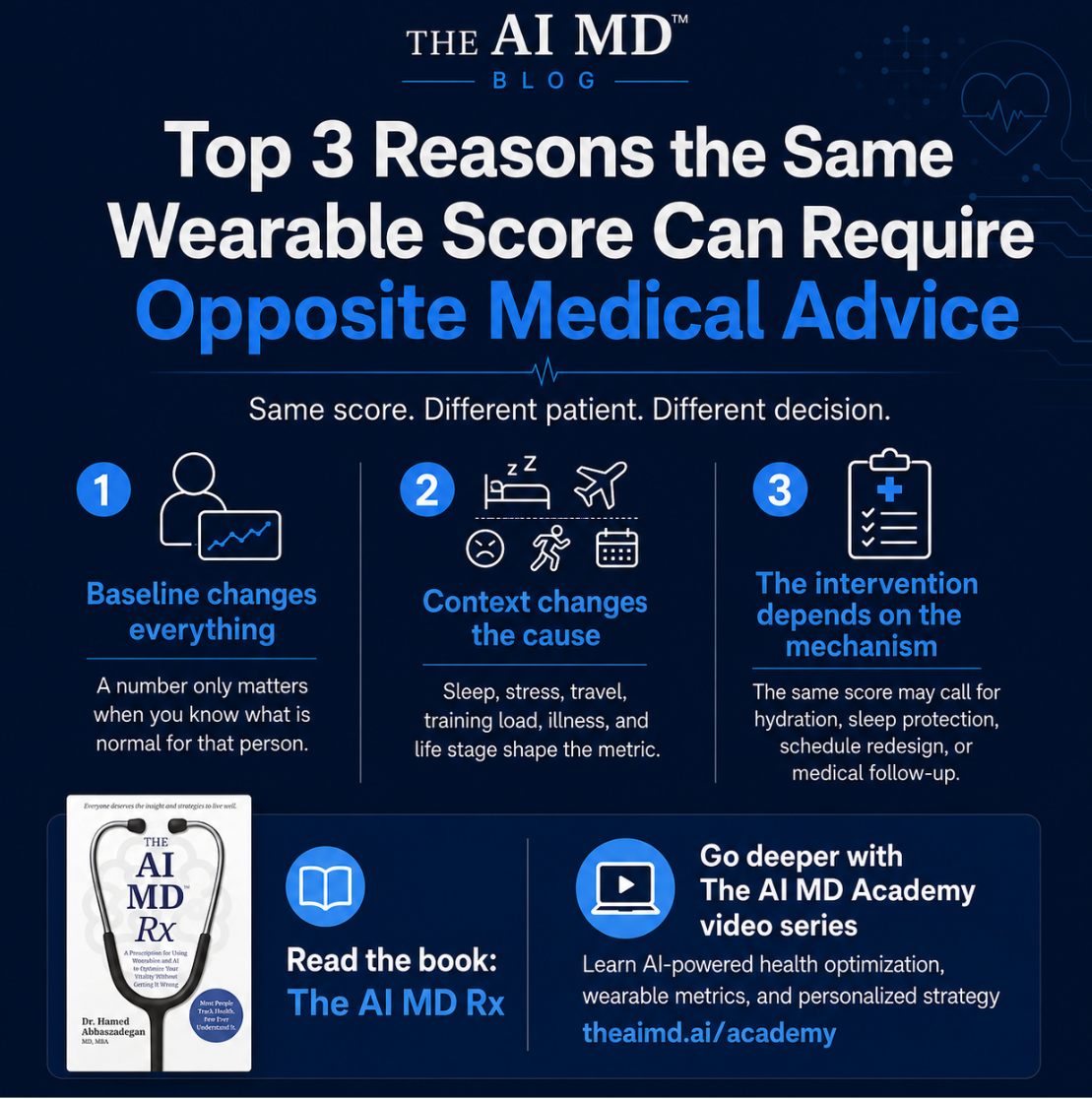
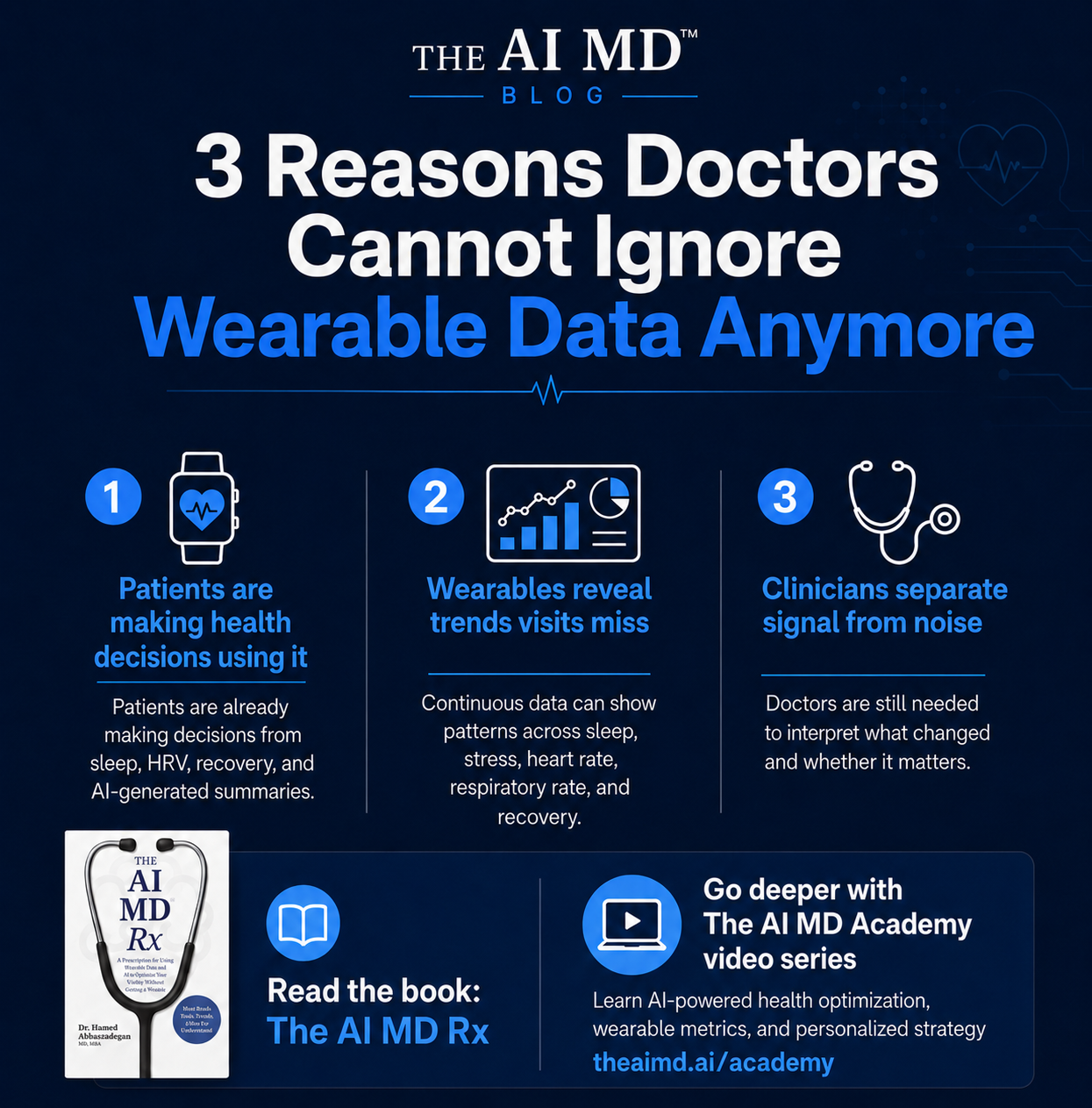
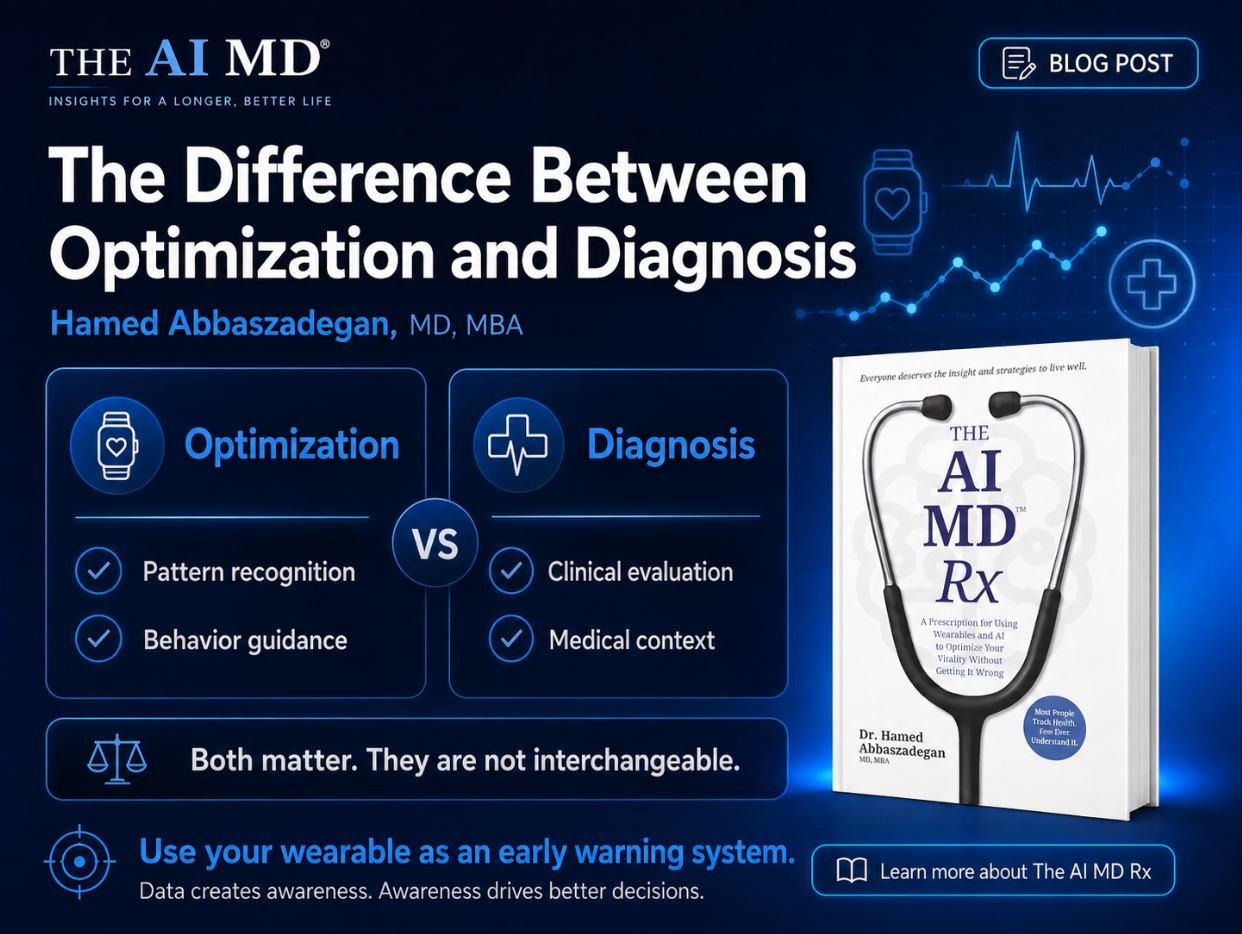
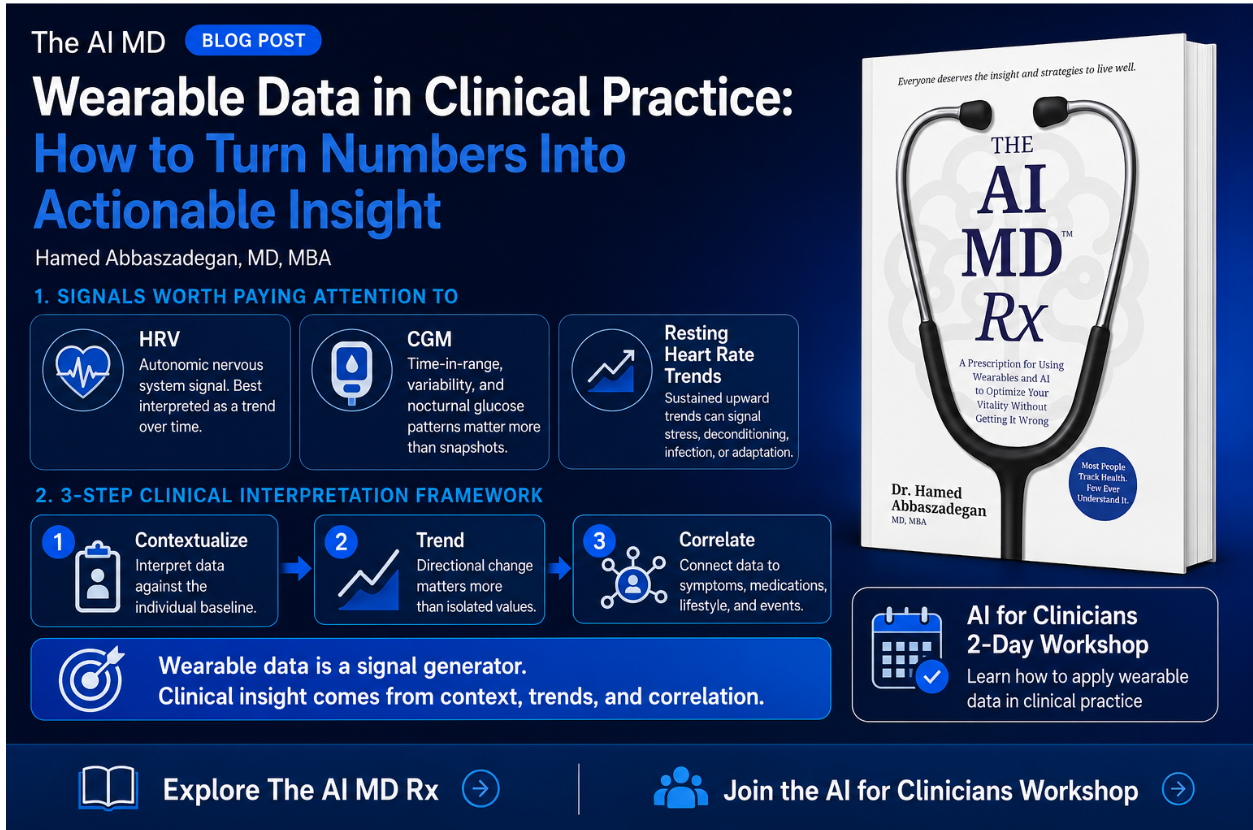
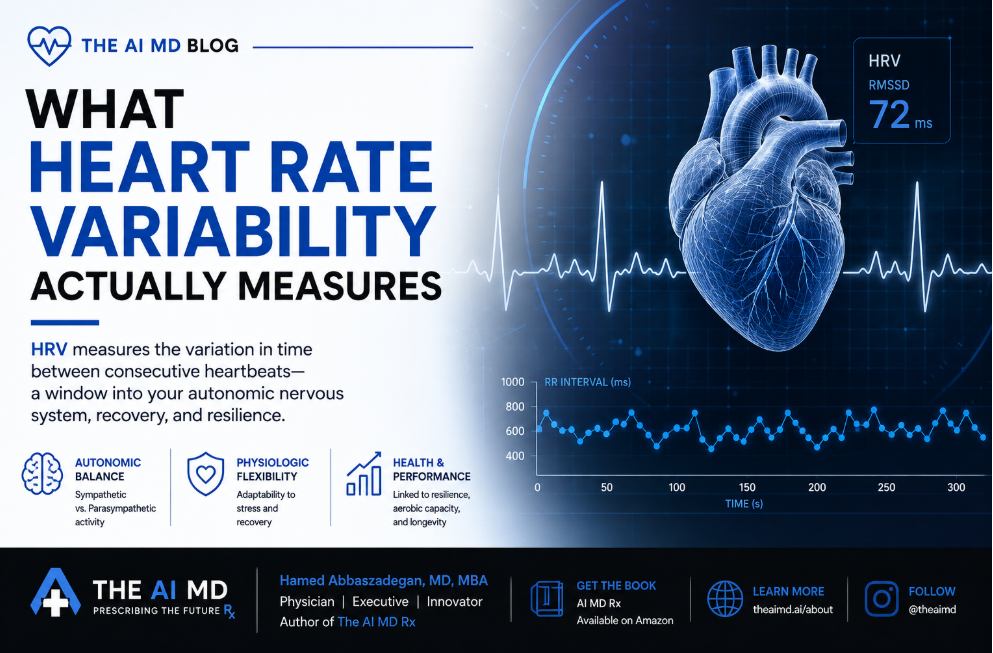
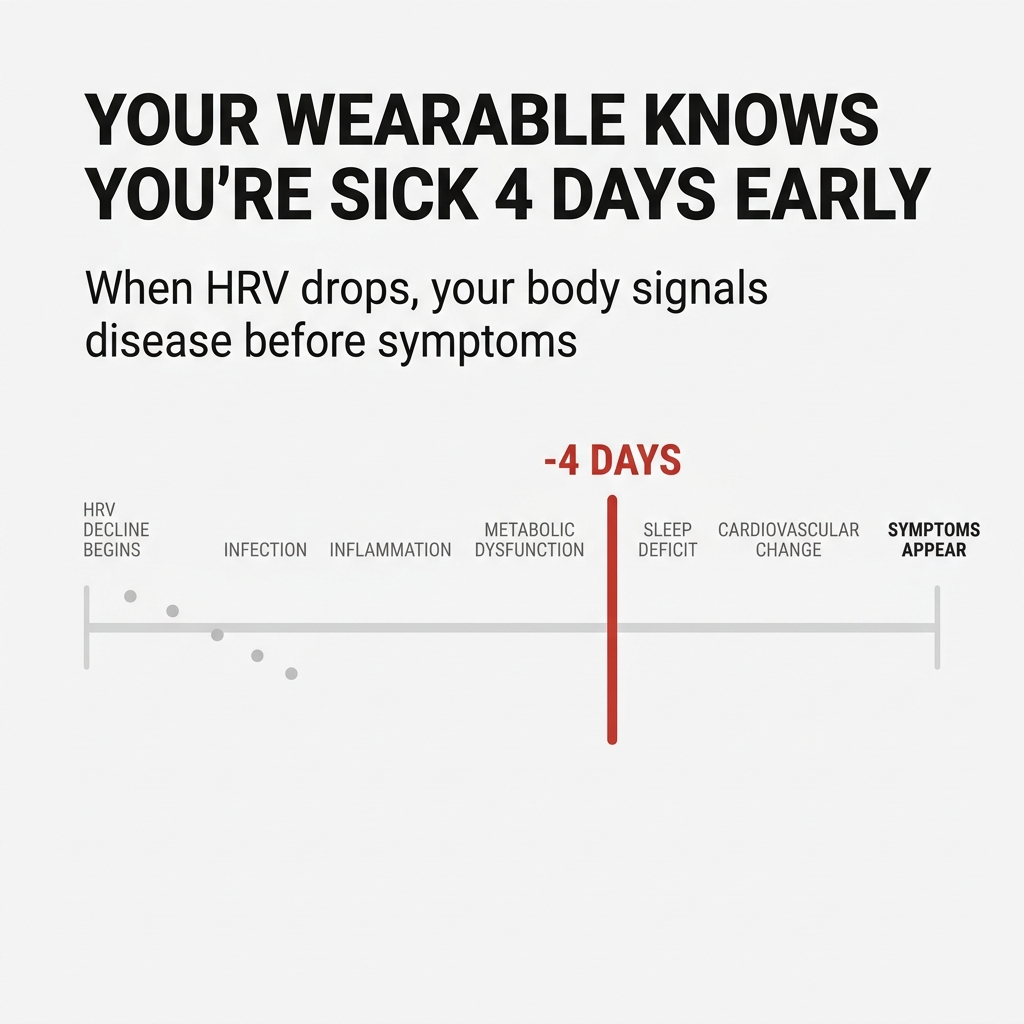
AI can identify trends, summarize patterns, and help generate hypotheses. But health data is not ordinary consumer data. A respiratory rate trend, oxygen saturation pattern, irregular rhythm notification, or persistent heart rate elevation can carry clinical implications. The interpretation has to be careful.
This is where clinical informatics becomes essential.
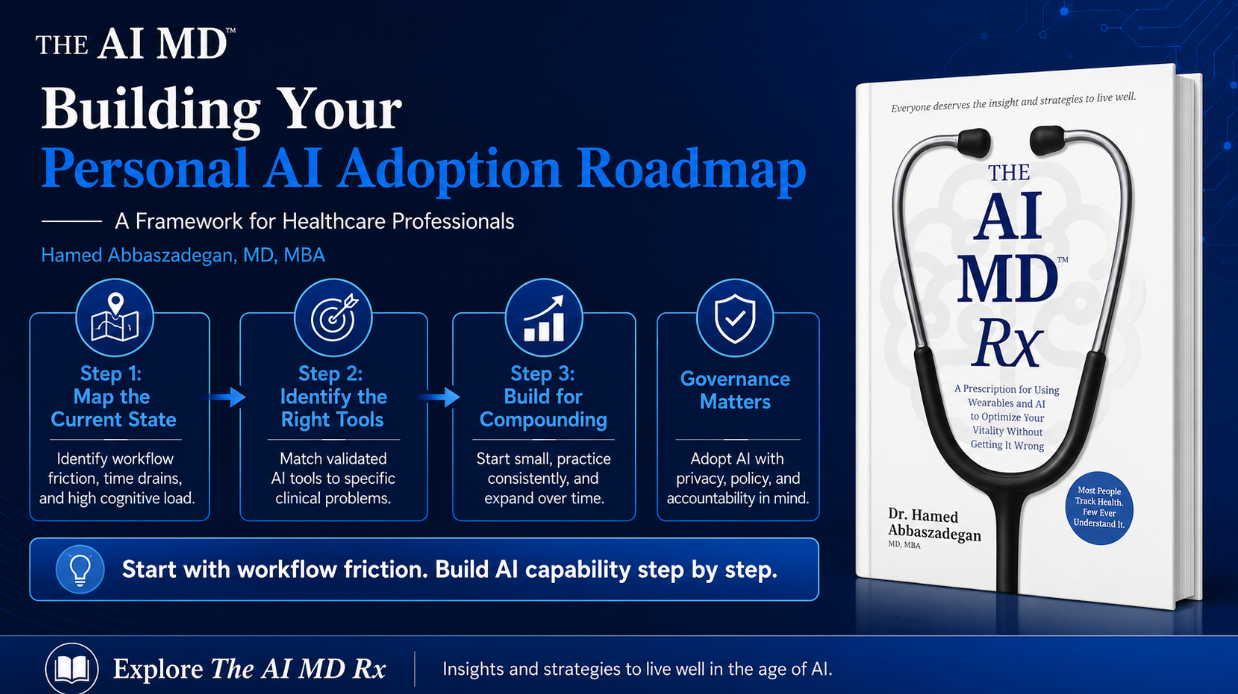
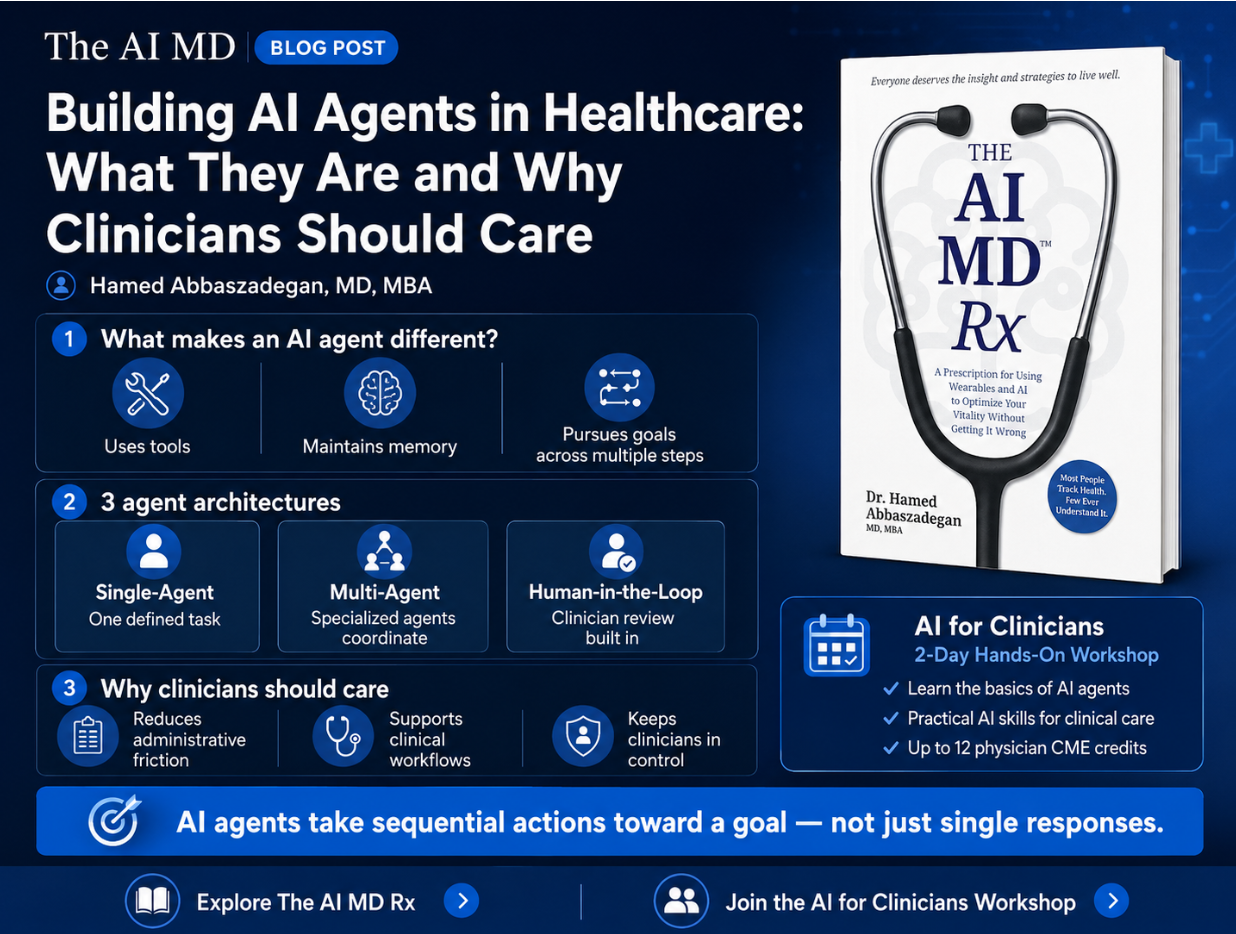
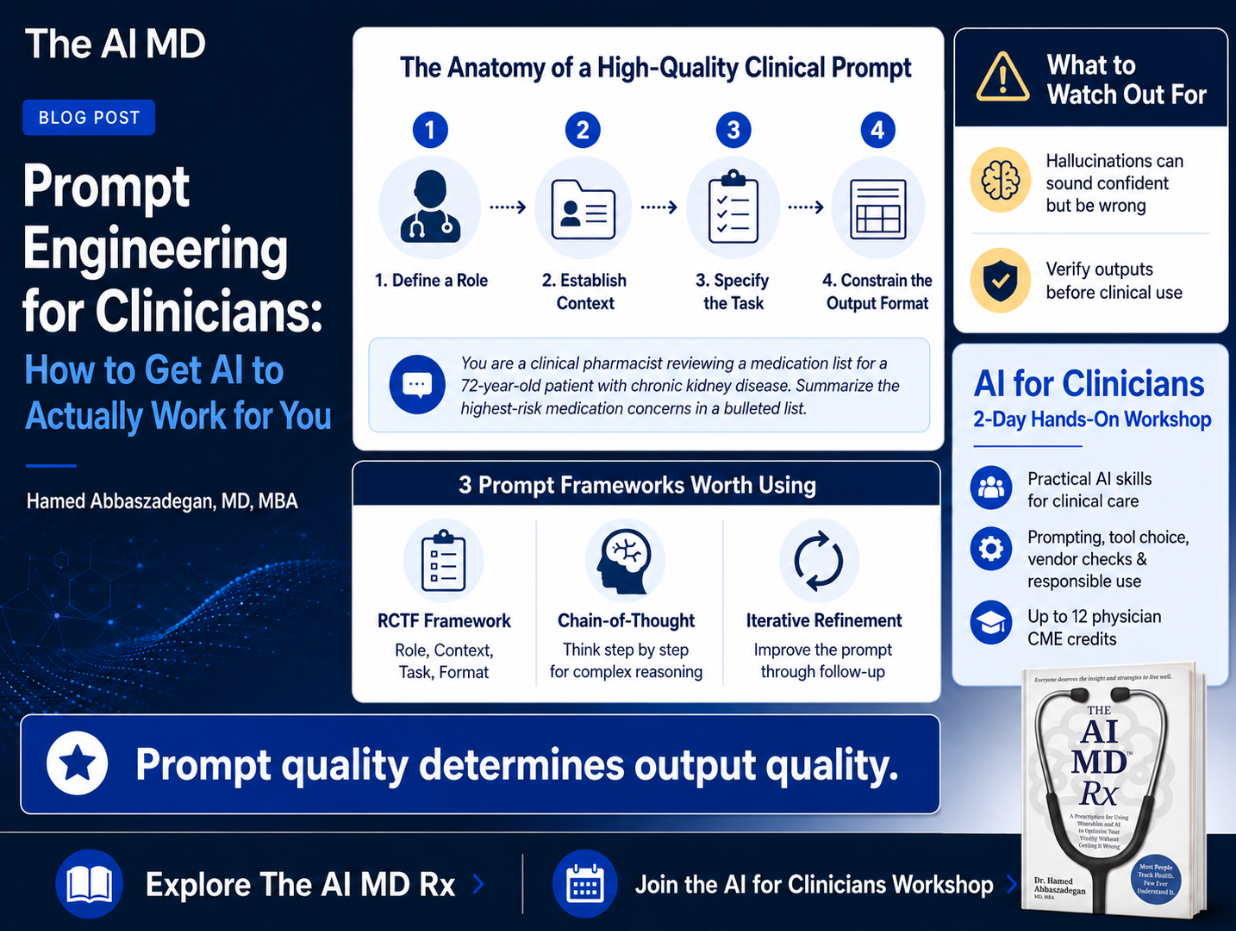
The goal is not to let AI replace clinicians. The goal is to use AI to improve understanding, structure information, identify patterns, and support better decisions. That requires clinical guardrails. It requires knowing what the tool can do, what it cannot do, and when human expertise matters.
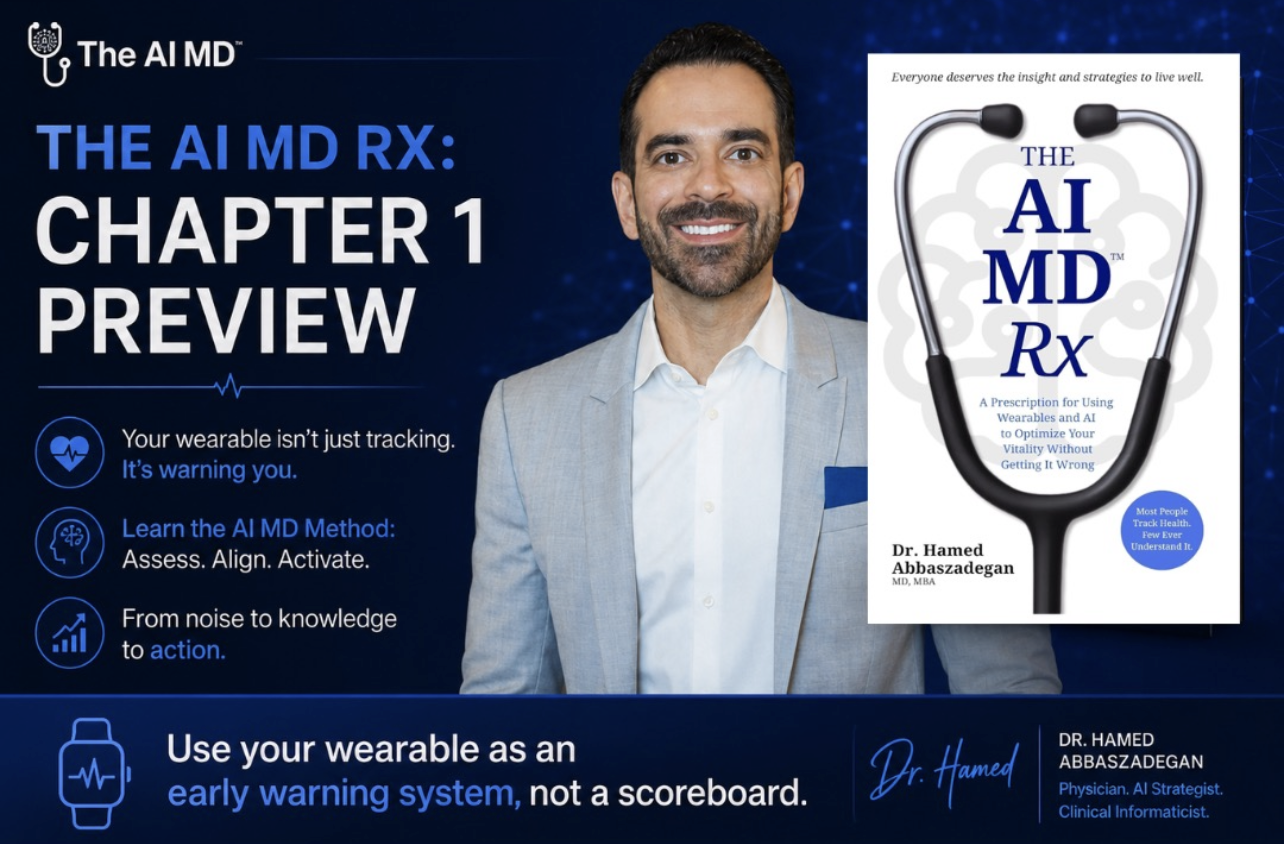
The AI MD Rx sits at that intersection.
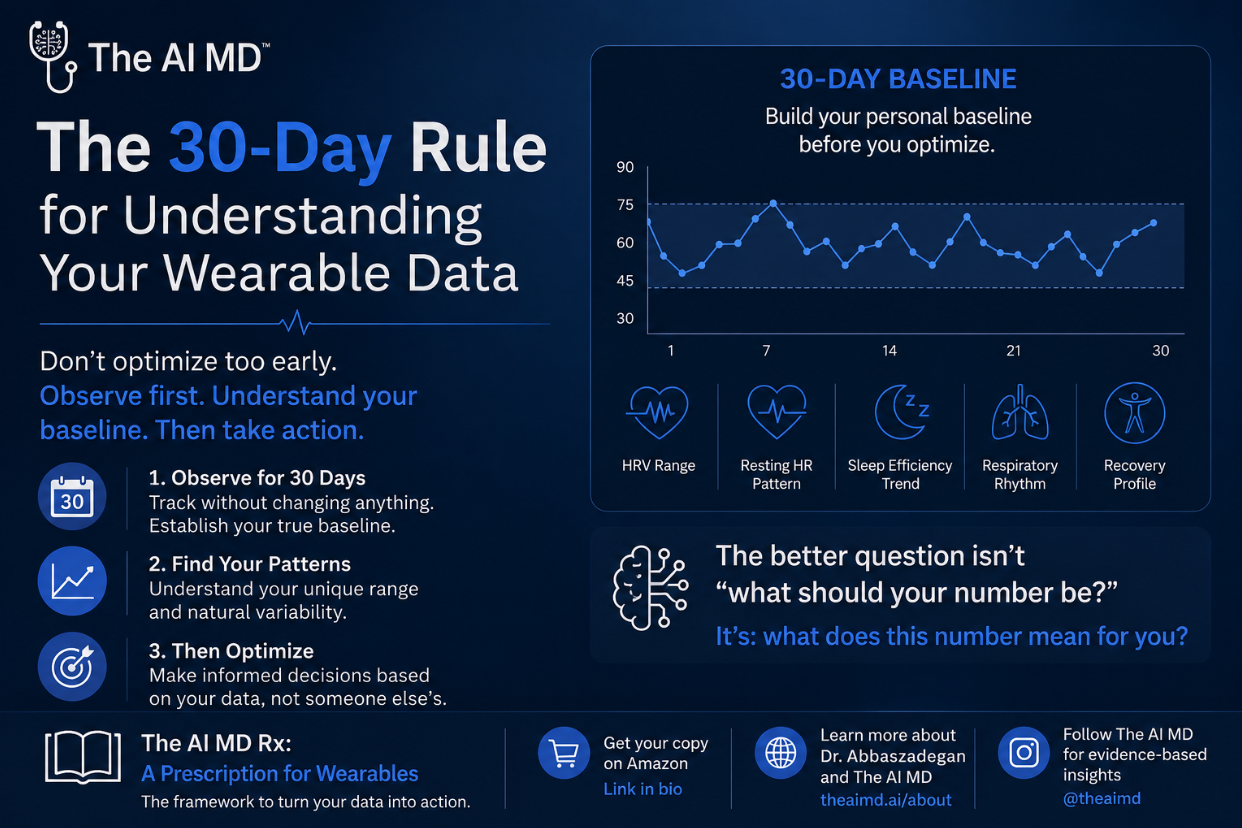
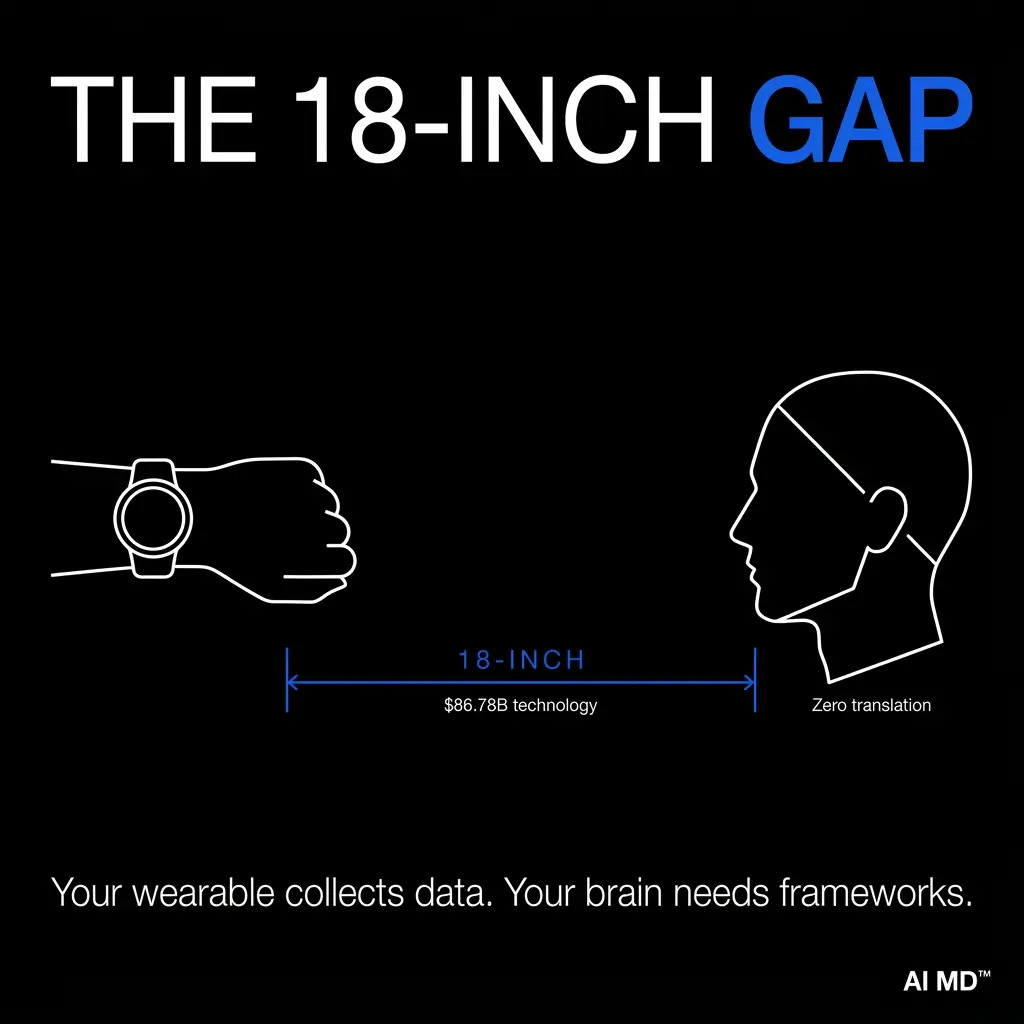
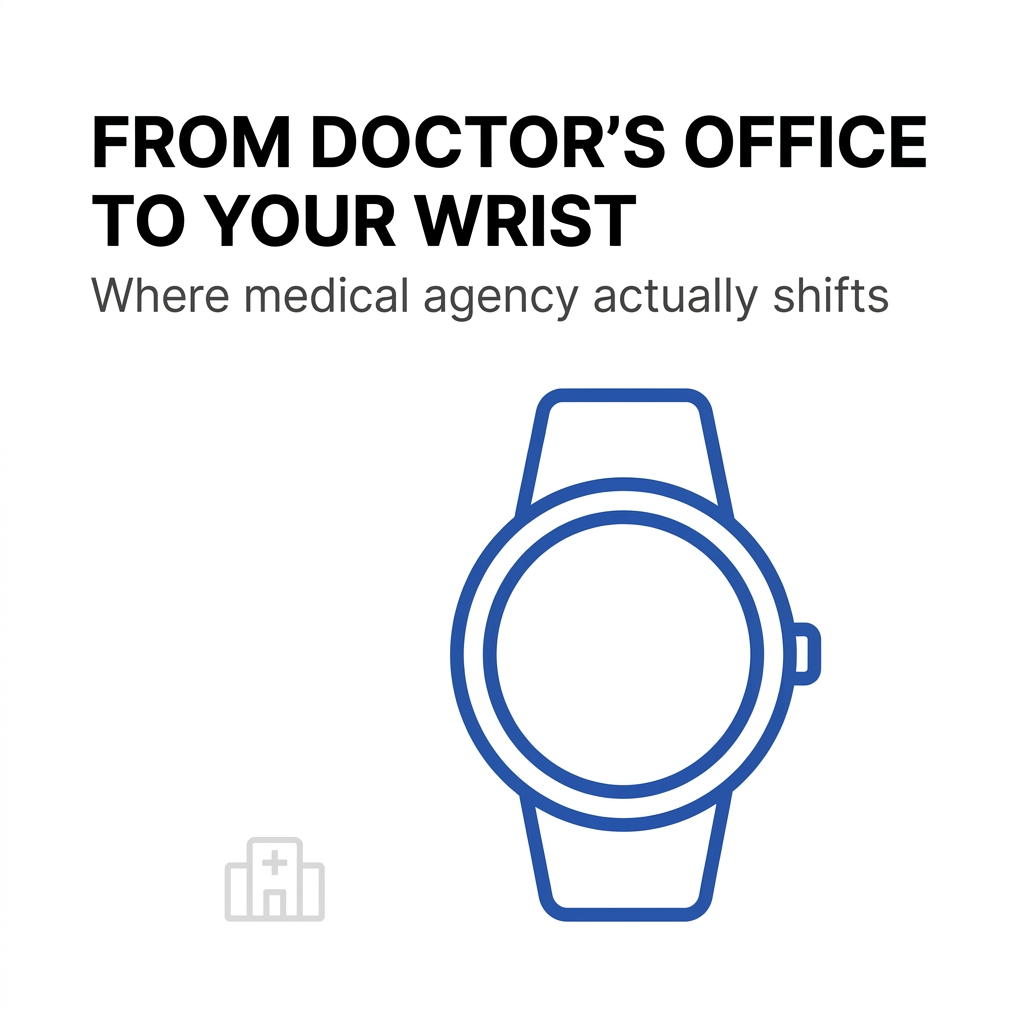
Wearables generate the data. AI can help process it. Clinical knowledge keeps the interpretation grounded.
That is the future of personal health.
Not hype.
Not fear.
Responsible intelligence.
📖 Get your copy on Amazon:
https://www.amazon.com/AI-MD-Rx-Prescription-Wearables/dp/B0H38BTM83
🌐 Learn more about Dr. Abbaszadegan and The AI MD:
https://theaimd.ai/about
📲 Follow The AI MD for evidence-based insights on AI, digital health, wearable technology, longevity, and the future of medicine:
https://www.instagram.com/theaimd/






%20(1880%20x%20940%20px)%20(3%20x%204%20in)%20(1).png)


.png)


Stay Connected
If you’d like these insights delivered straight to your inbox, you can sign up below. You’ll receive evidence-based perspectives on AI in healthcare, practical implementation guidance, and updates on speaking engagements and media appearances.