
Hamed Abbaszadegan, MD, MBA

August 10, 2026
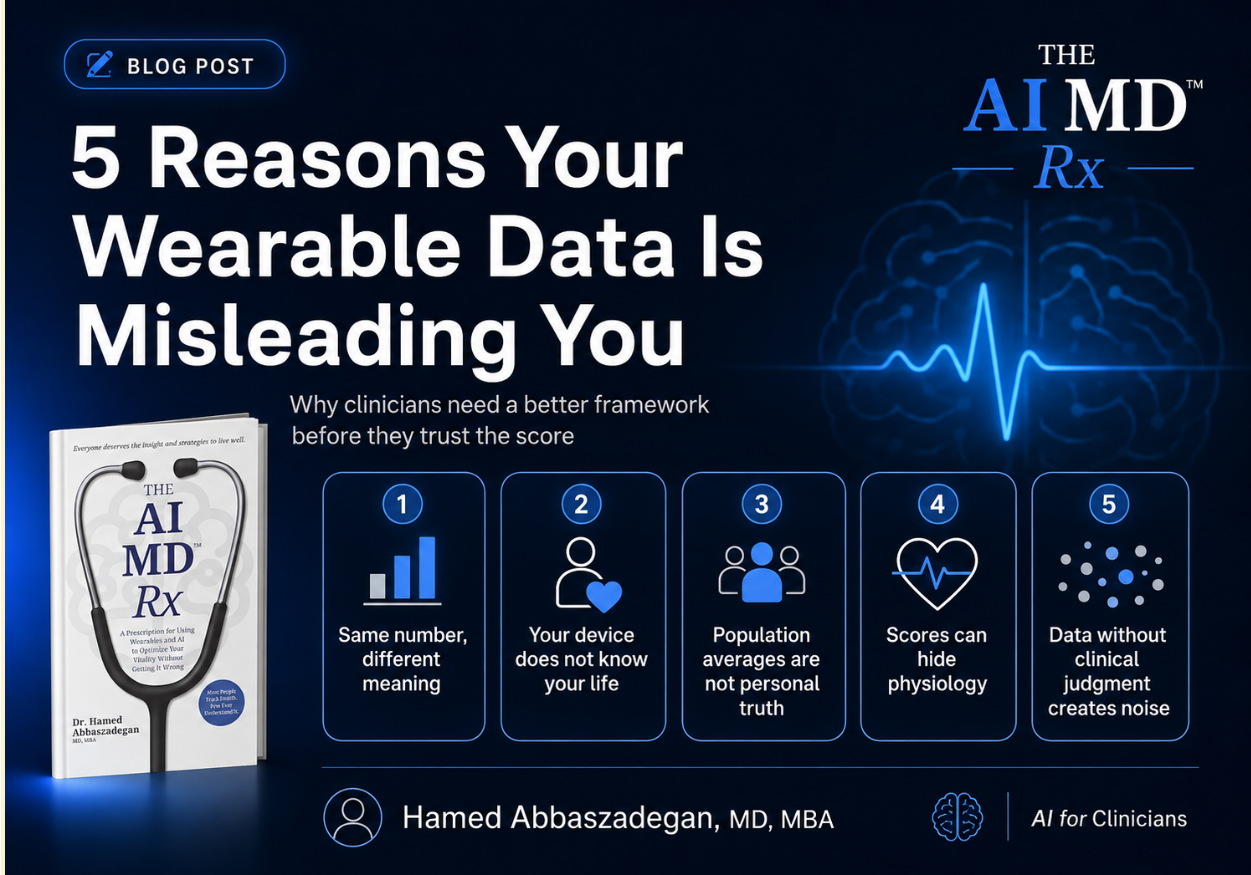
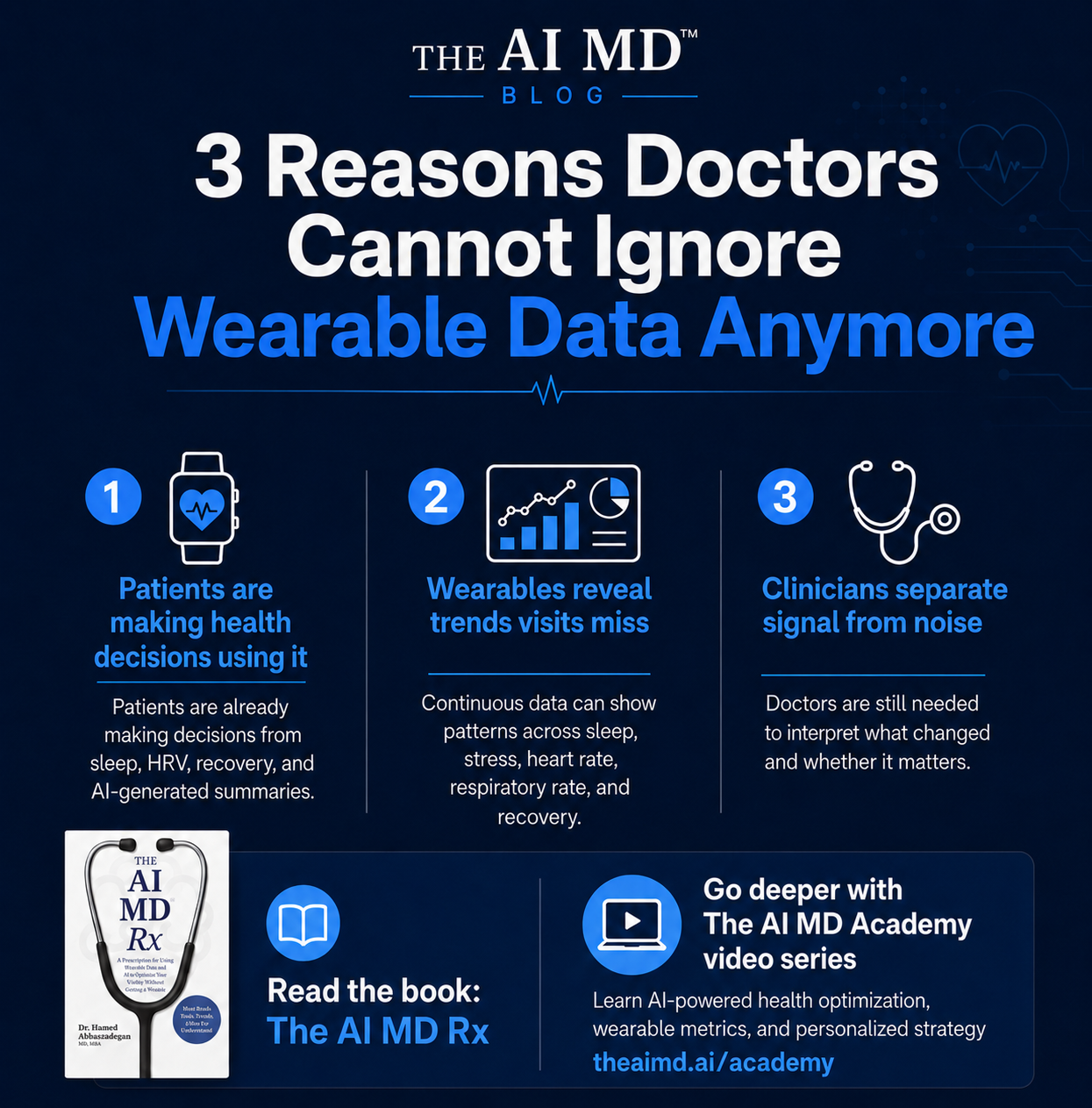
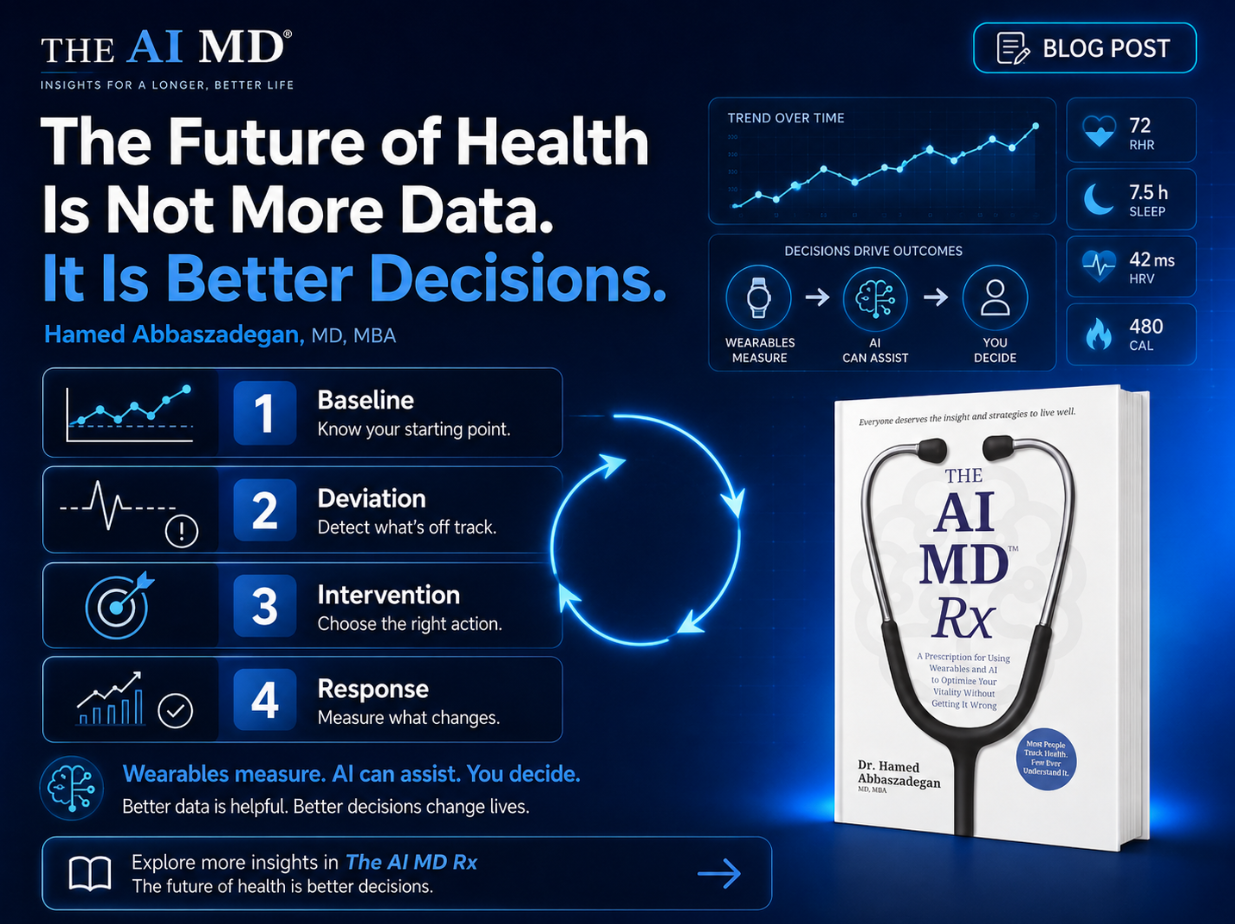
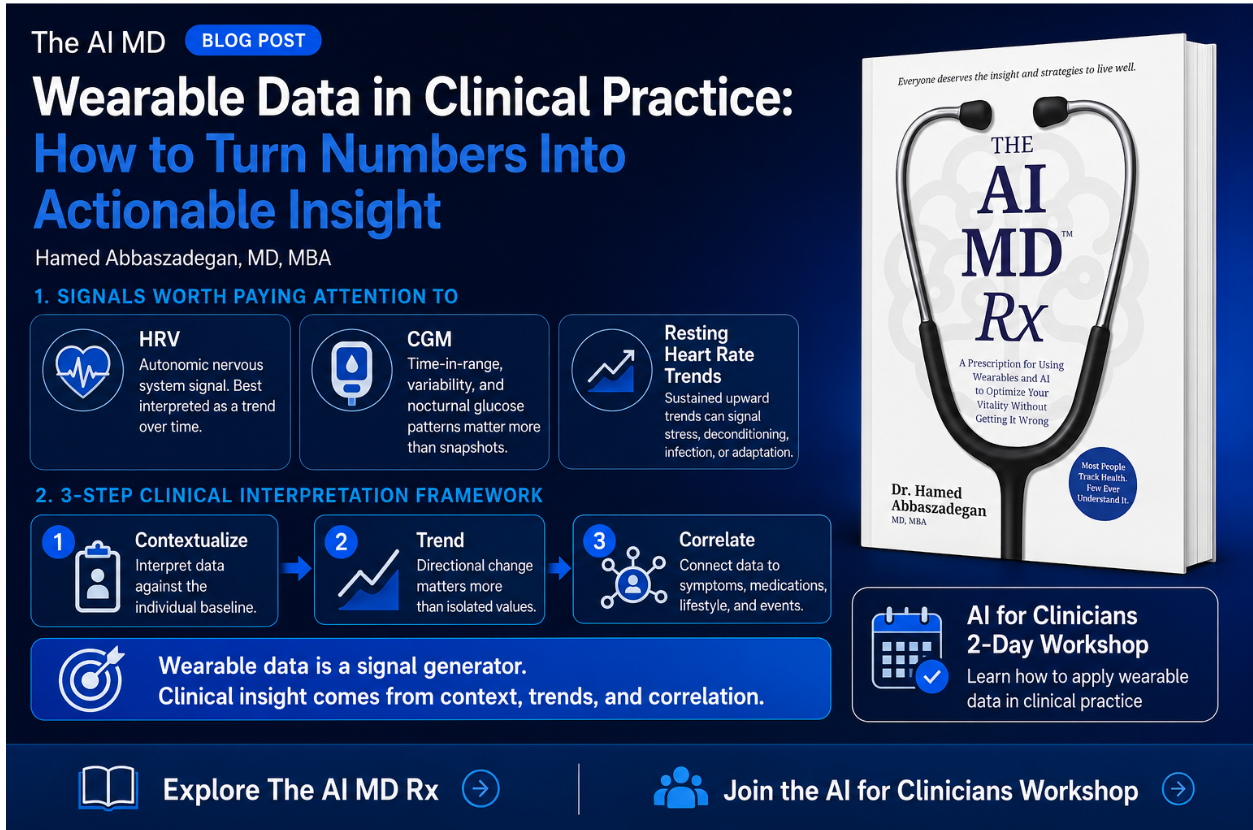
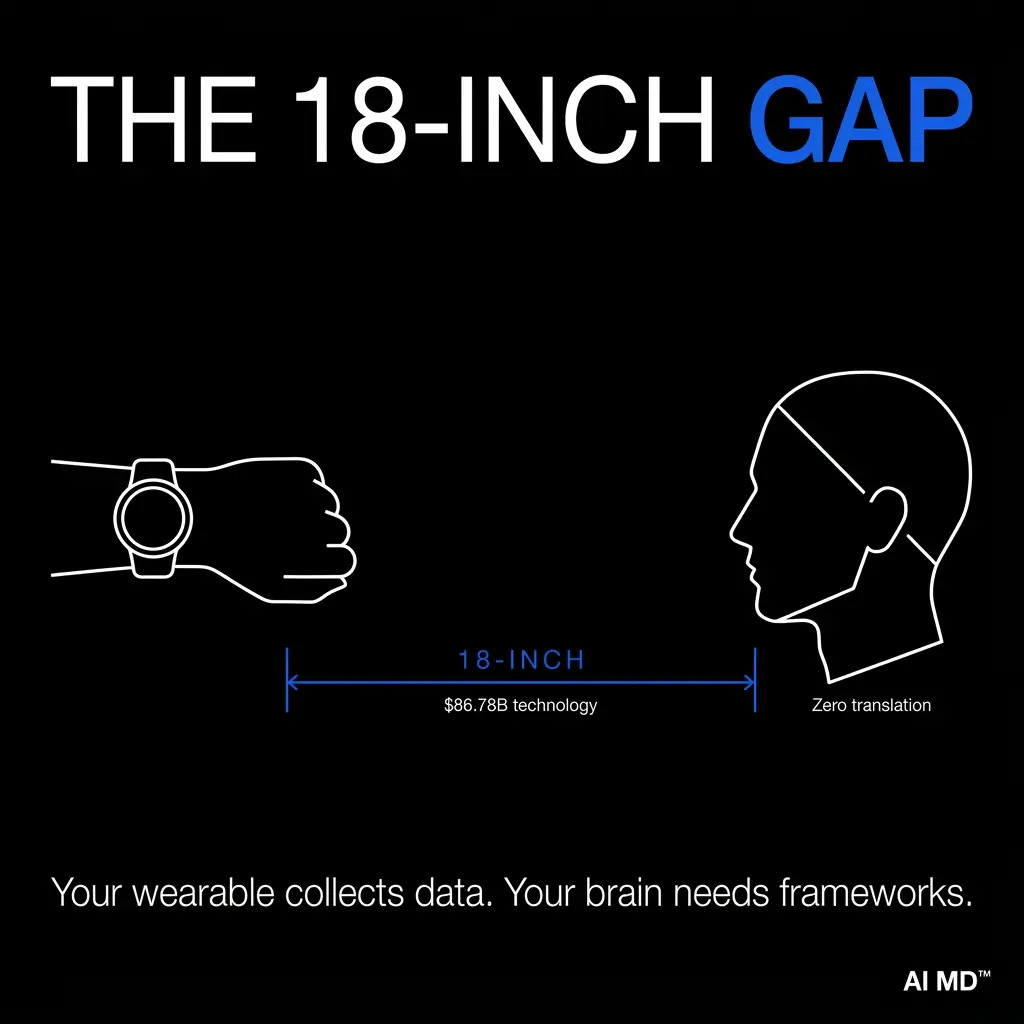
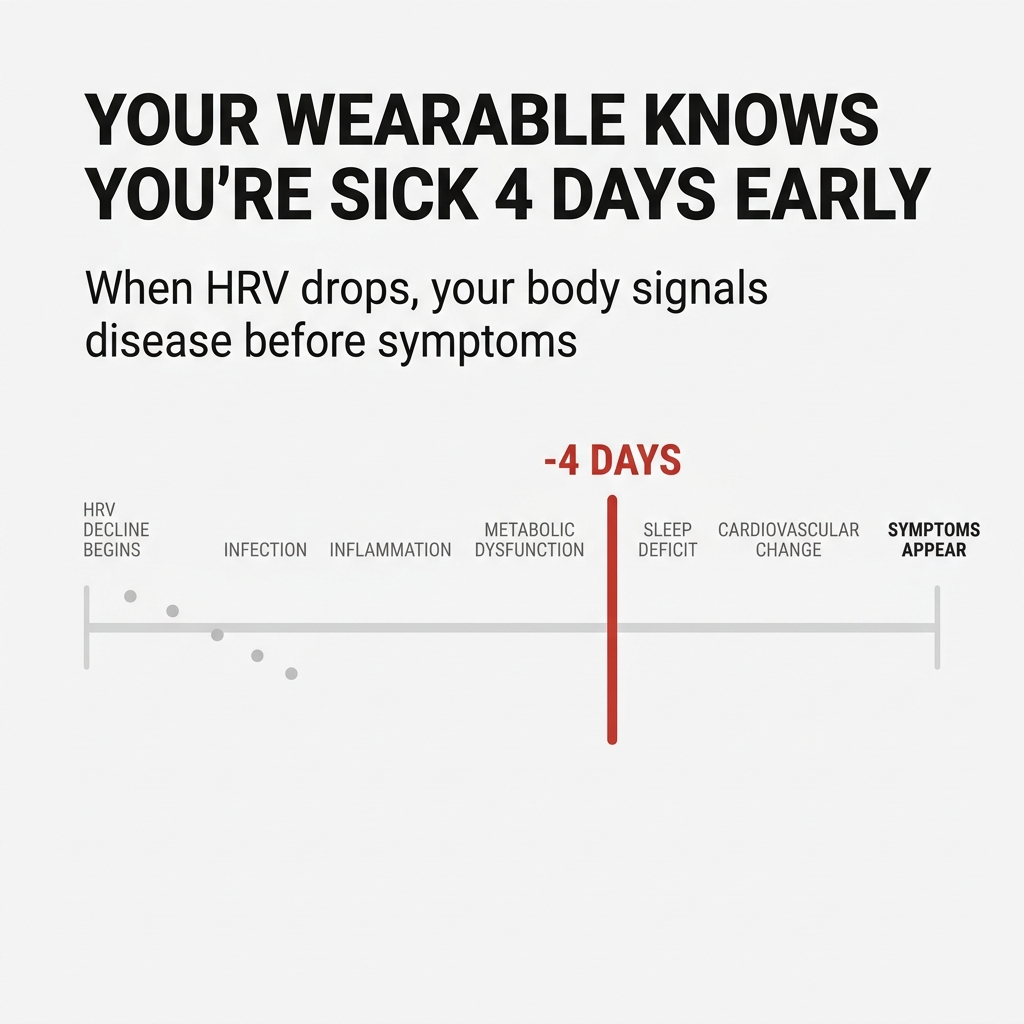
Wearables are generating more health data than ever before. HRV, resting heart rate, sleep scores, respiratory rate, recovery metrics, oxygen saturation, and temperature trends are now sitting on patients’ wrists every morning.
The problem is not the data.
The problem is the interpretation.
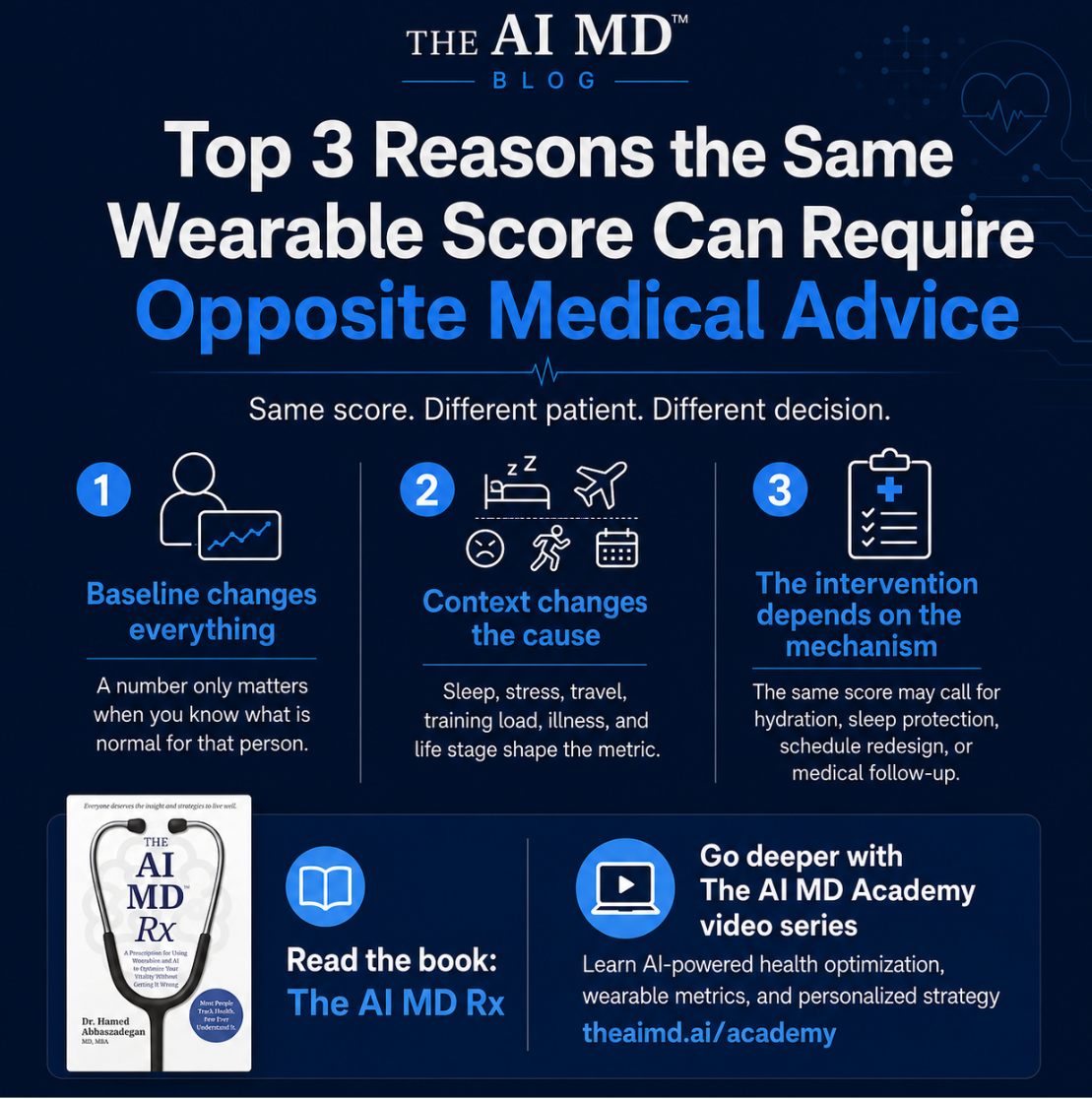
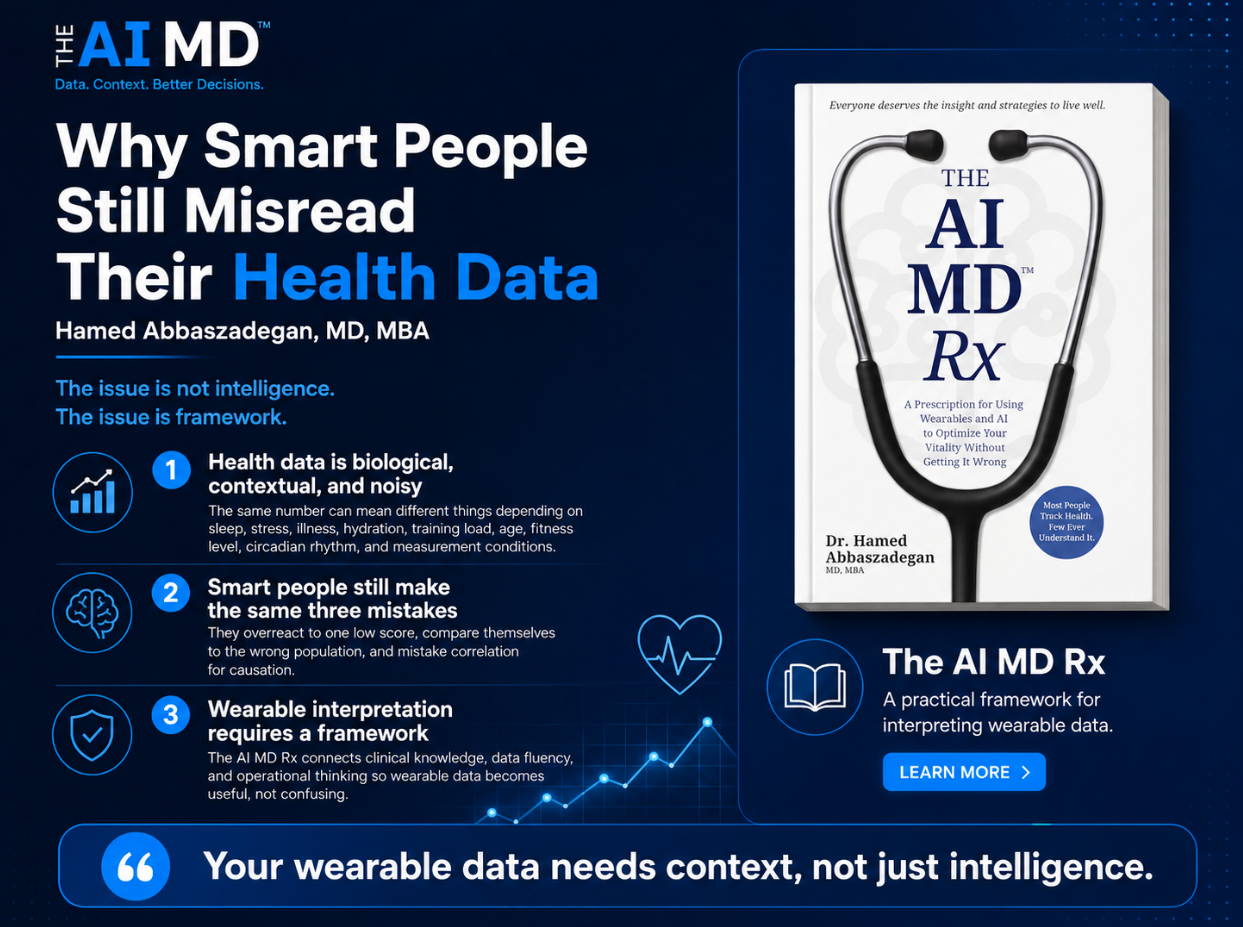
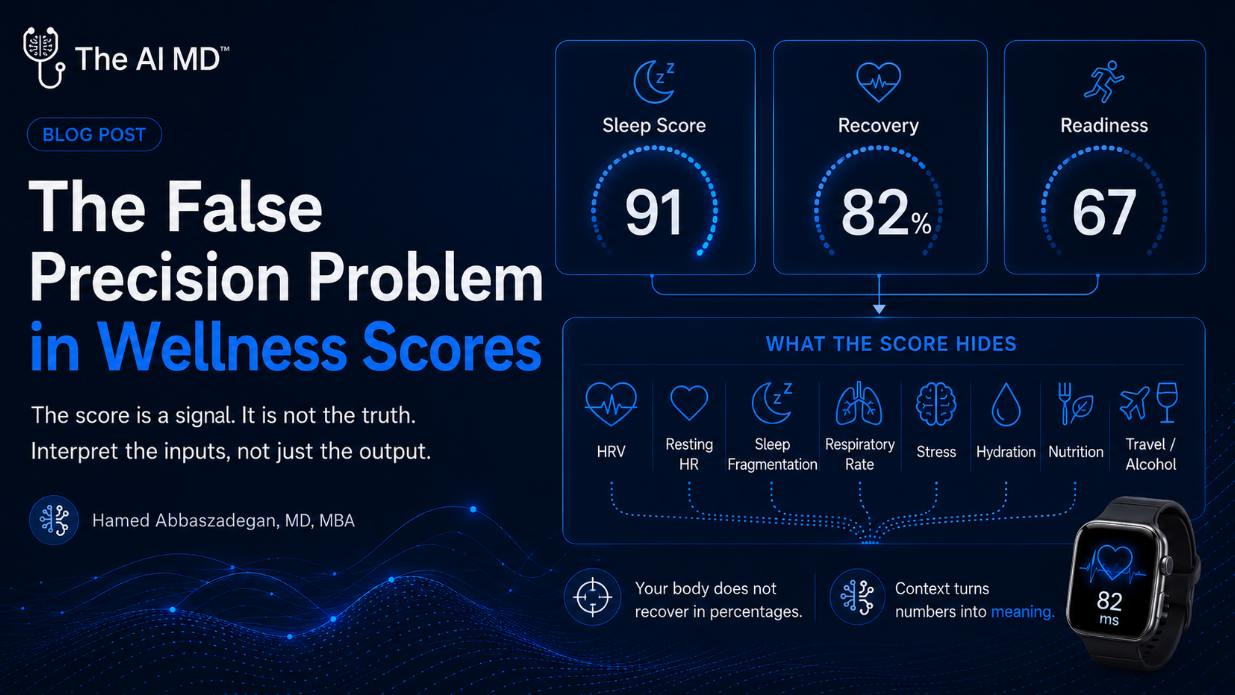
Most people look at wearable metrics as isolated numbers. A low HRV score. A poor recovery score. A six-hour sleep night. A rising resting heart rate. But in medicine, isolated numbers rarely tell the full story. Context determines meaning.
Here are five reasons your wearable data may be misleading you.
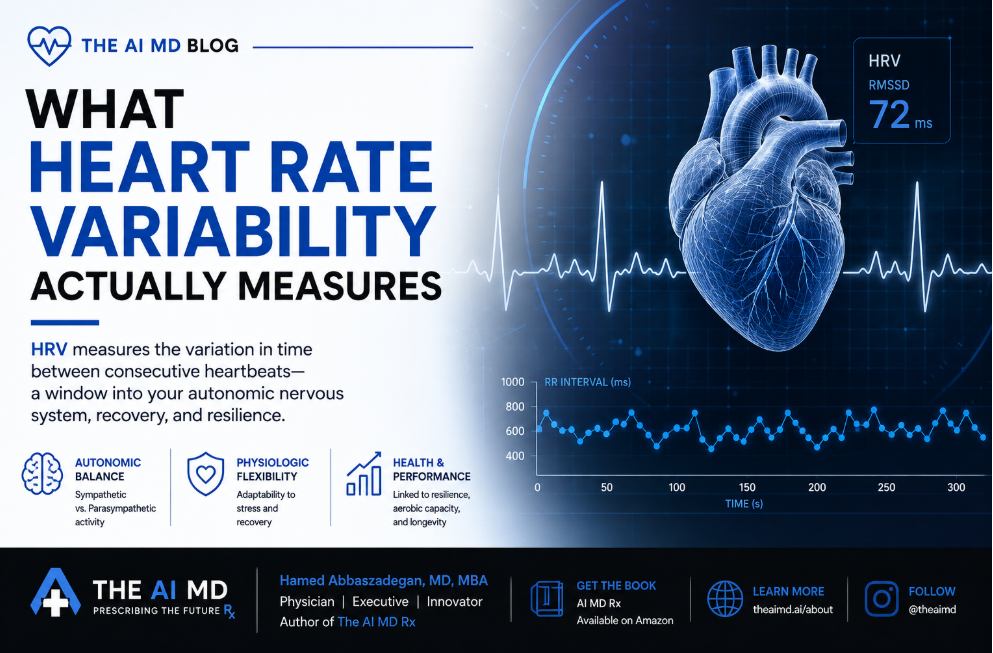
Two people can wake up with the same HRV drop and need completely different interventions. For an endurance athlete, a 15-point HRV decline may reflect expected sympathetic activation after a heavy training block. For a corporate executive, the same decline may reflect poor sleep, decision fatigue, psychological stress, or chronic autonomic strain.
Same metric. Different mechanism. Different action.
Your wearable can detect physiological change, but it does not know every variable that created it. It does not always understand the late meeting, the travel day, the alcohol exposure, the caregiving interruption, the illness brewing, or the cognitive load you carried all week.
That is why wearable interpretation cannot stop at the app.
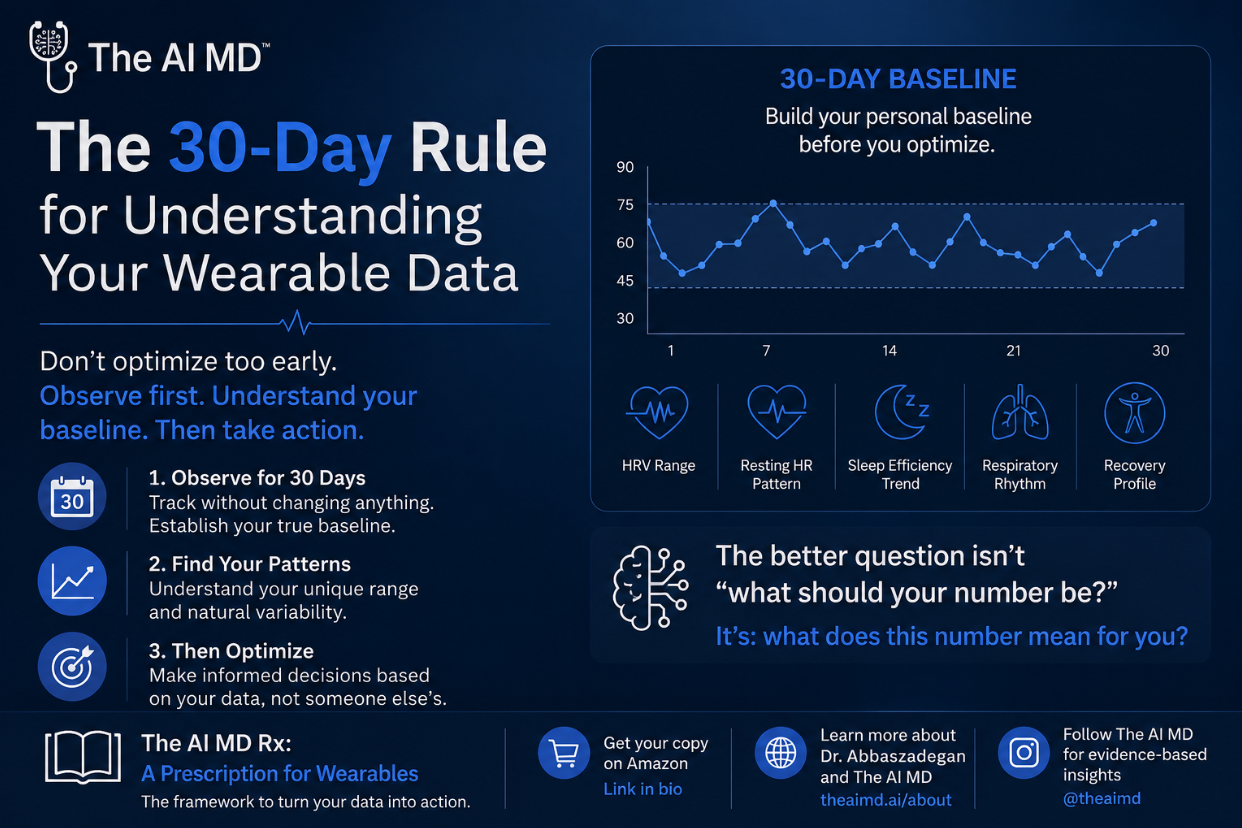
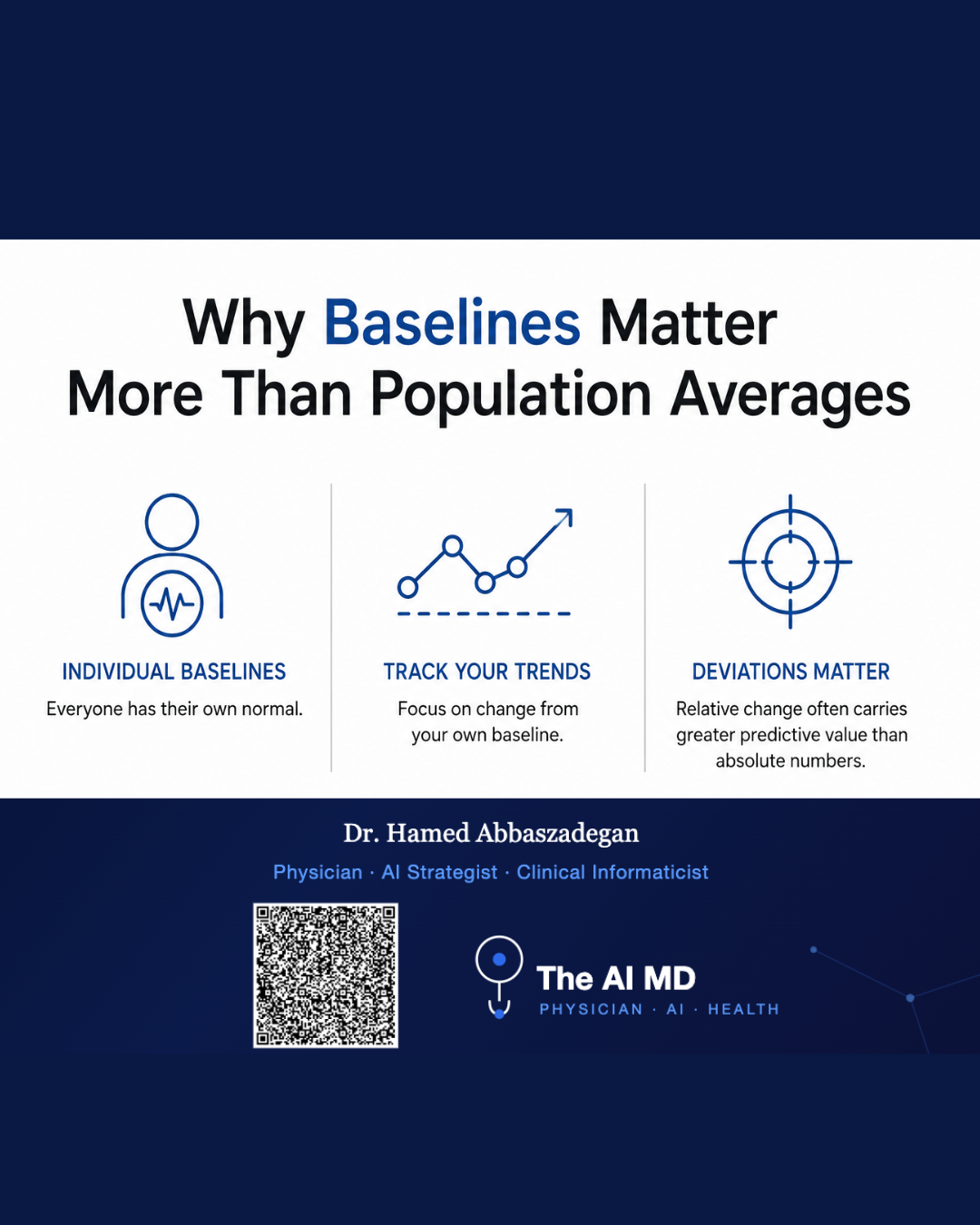
Your “normal” may not look like someone else’s normal. HRV, resting heart rate, recovery, sleep architecture, and temperature patterns vary by age, sex, fitness level, stress exposure, training history, medications, and baseline physiology.
Comparing yourself to a population average can create unnecessary anxiety or false reassurance.
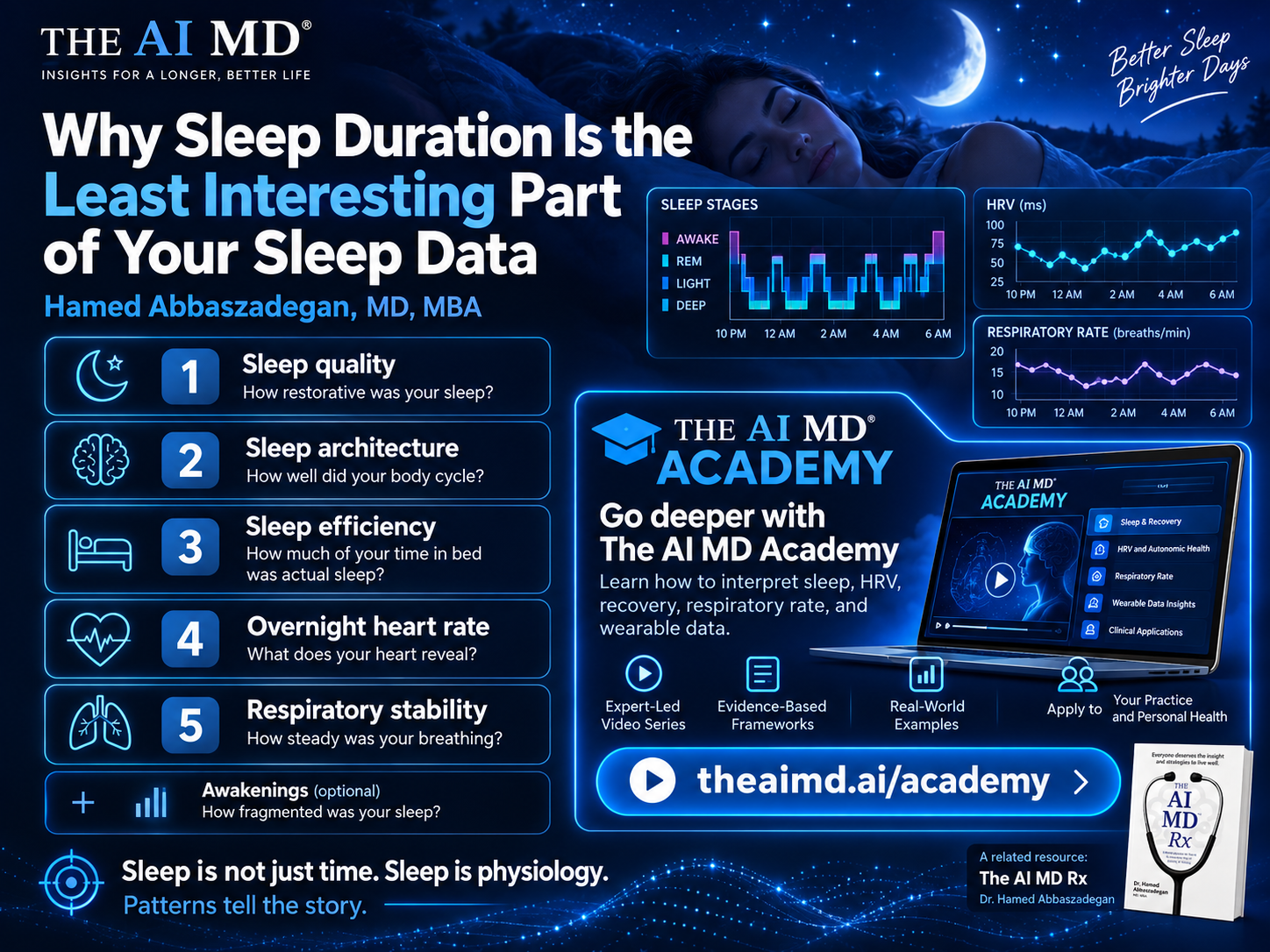
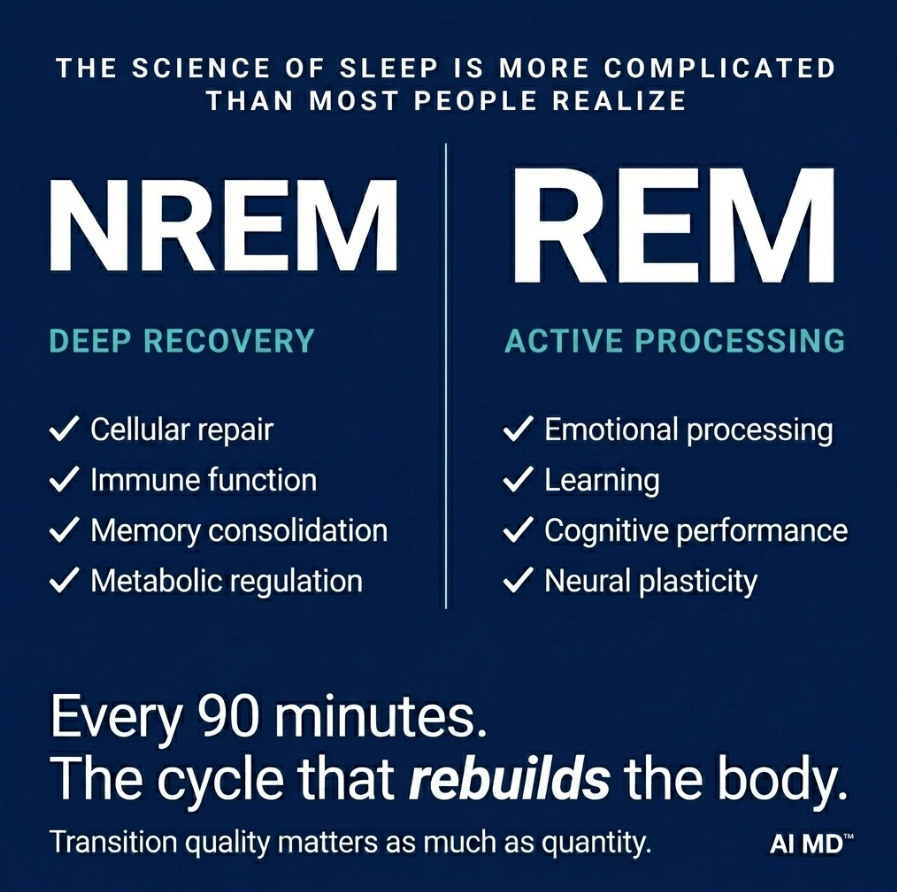
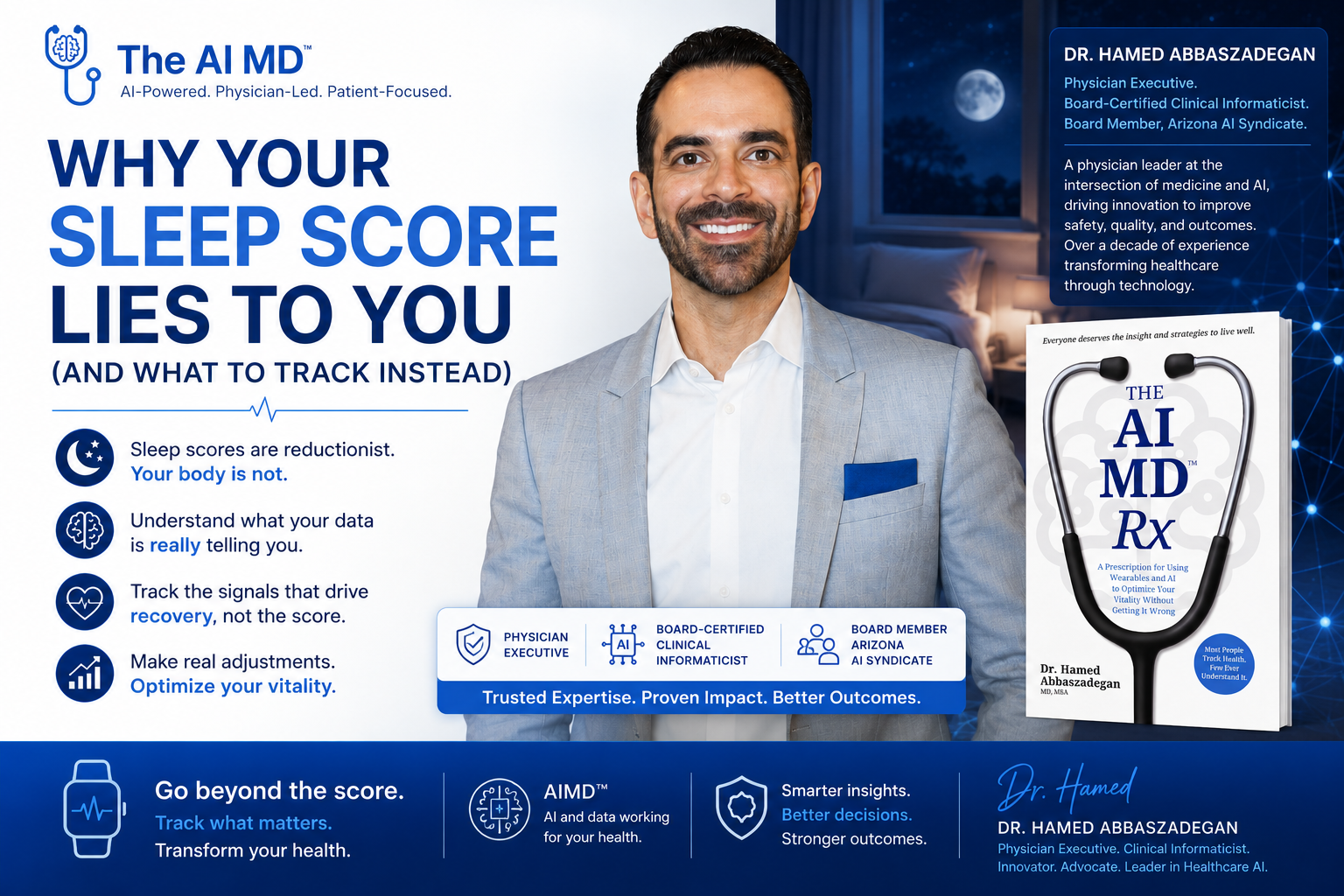
Two people can receive the same sleep score and have completely different biological outcomes. One may have stable sleep architecture, strong HRV recovery, and minimal awakenings. Another may have fragmented sleep, elevated overnight heart rate, and poor respiratory stability.
The body does not respond to the number on the app.
The body responds to what happened overnight.
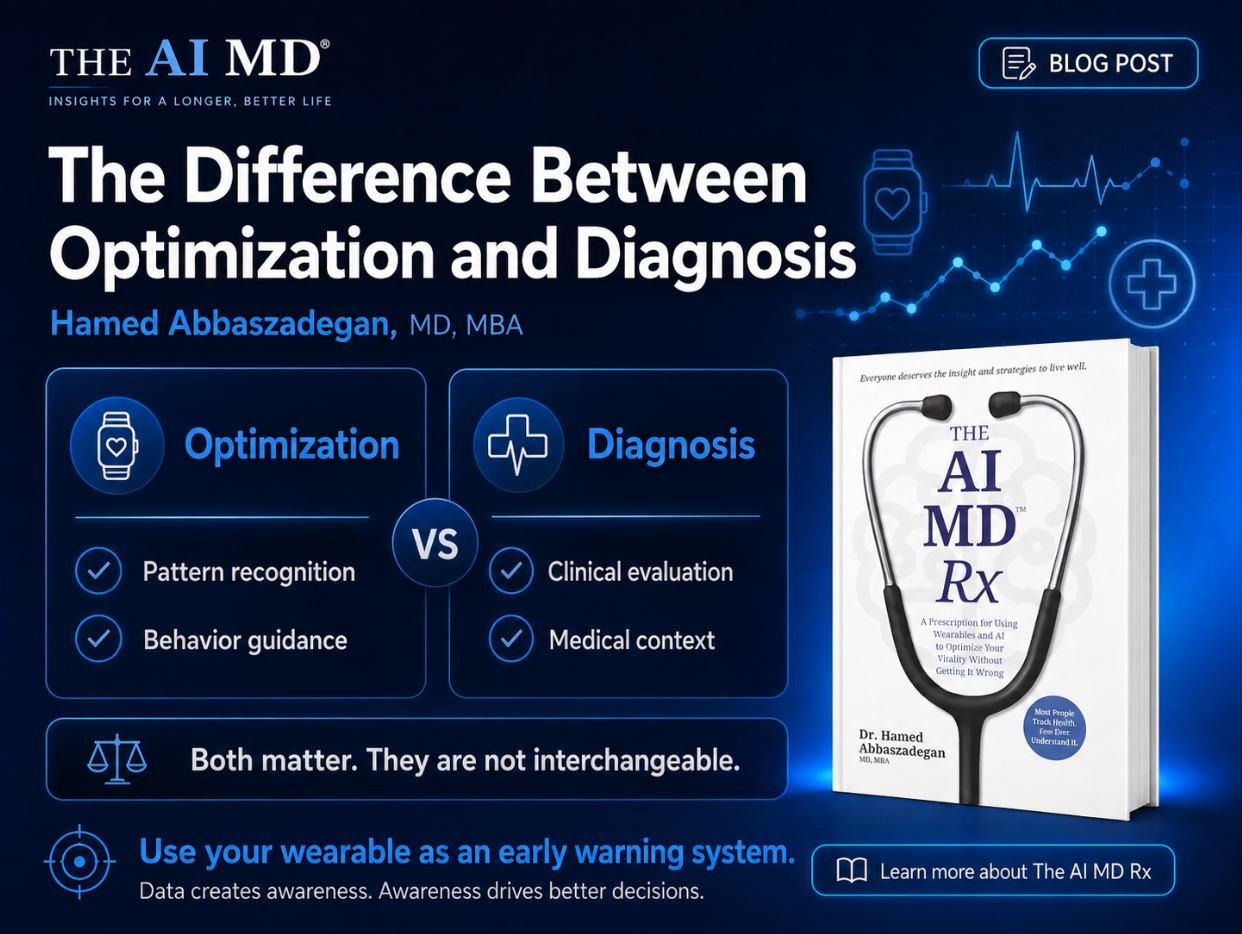
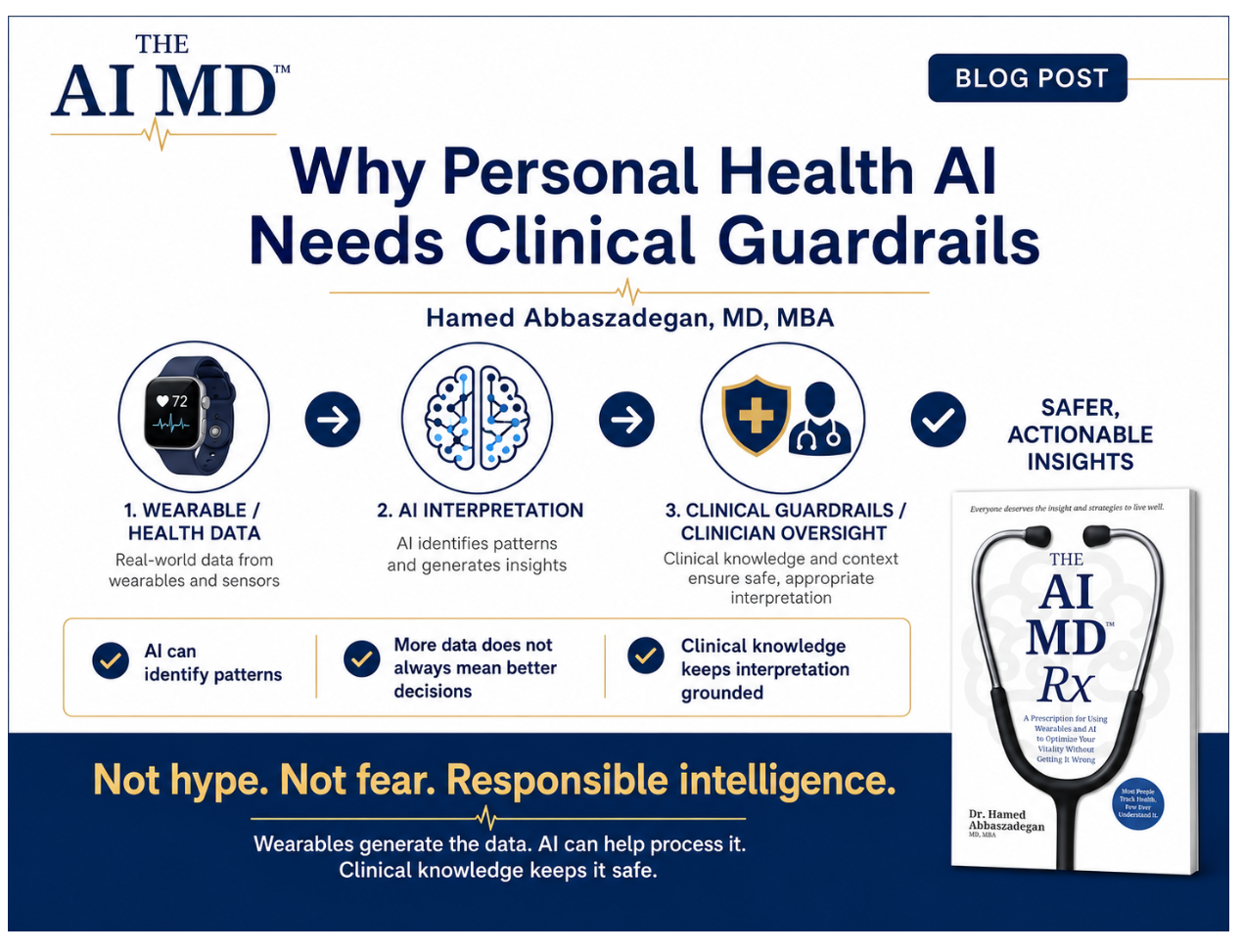
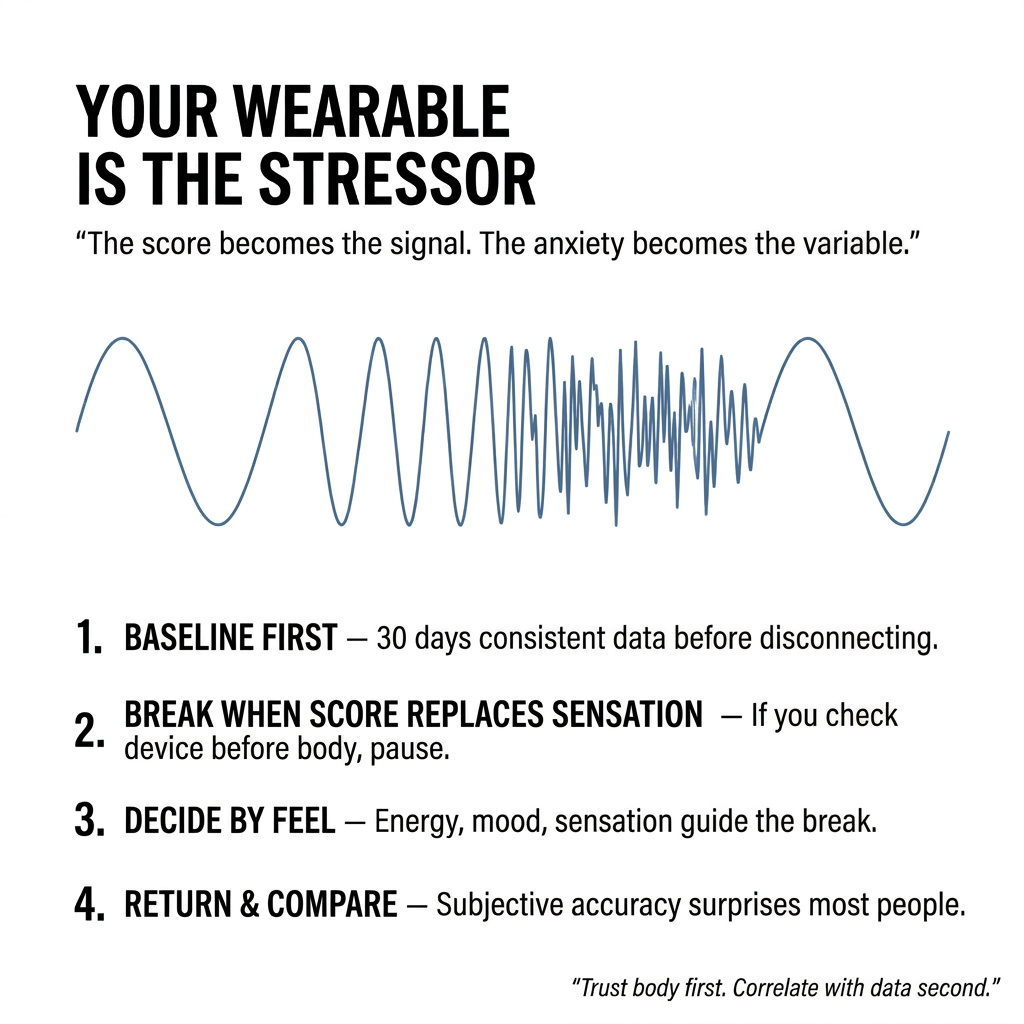
Wearables are not useless. They are powerful. But without a clinical interpretation framework, they can create confusion, anxiety, and overreaction.
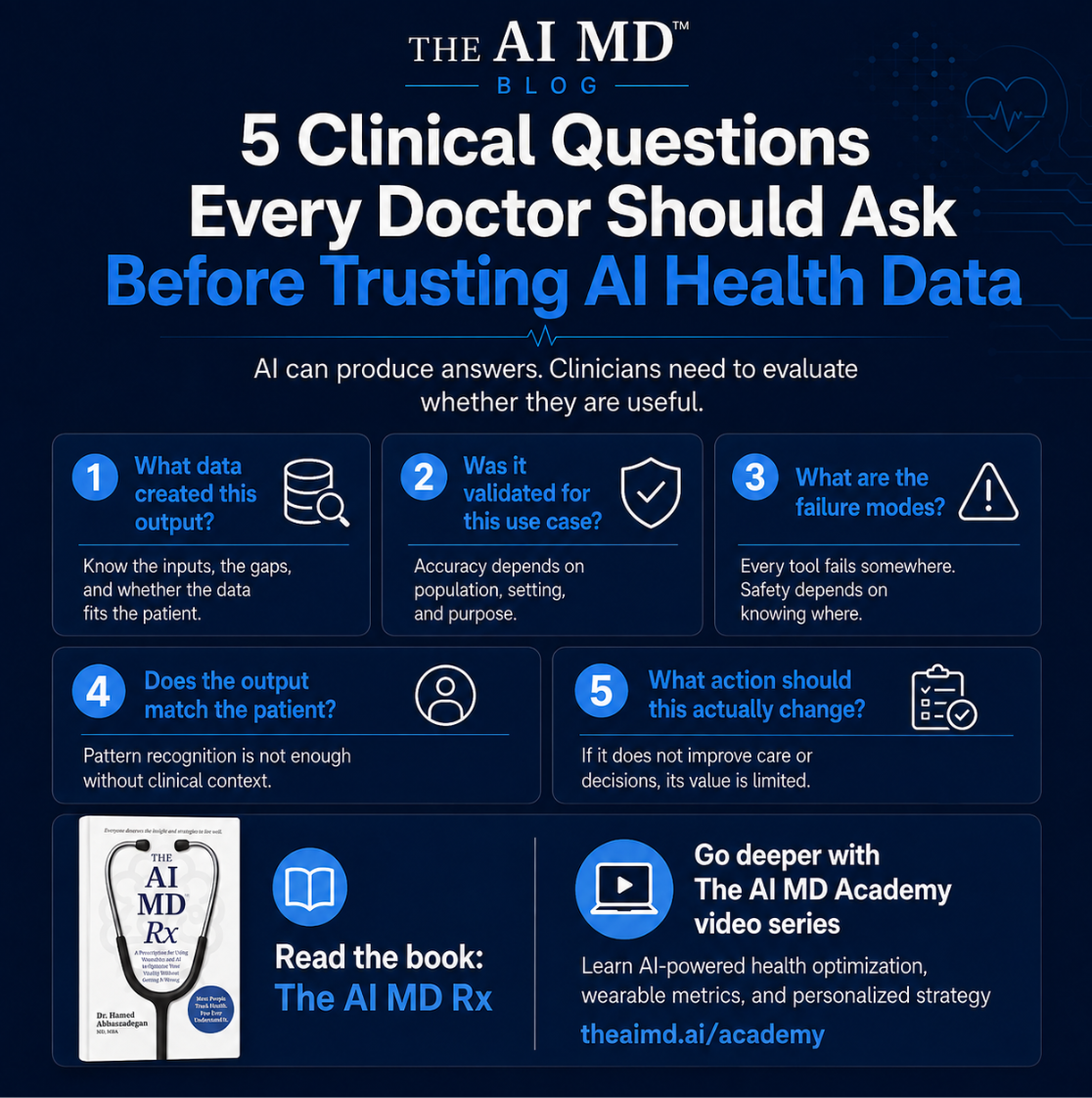
That is exactly why clinicians need to understand how to interpret AI-driven and patient-generated health data.
At AI for Clinicians, we will teach healthcare professionals how to move beyond the score and interpret data through clinical context, physiology, baseline, trend, and patient reality.
If patients are bringing this data into the exam room, clinicians need to know what to do with it.
🎓 Join AI for Clinicians and learn how to evaluate AI tools, interpret wearable data, and use emerging technology responsibly in clinical practice.
Register here:
https://www.eventbrite.com/e/ai-for-clinicians-tickets-1988199096017






%20(1880%20x%20940%20px)%20(3%20x%204%20in)%20(1).png)


.png)


Stay Connected
If you’d like these insights delivered straight to your inbox, you can sign up below. You’ll receive evidence-based perspectives on AI in healthcare, practical implementation guidance, and updates on speaking engagements and media appearances.