
Hamed Abbaszadegan, MD, MBA

August 4, 2026
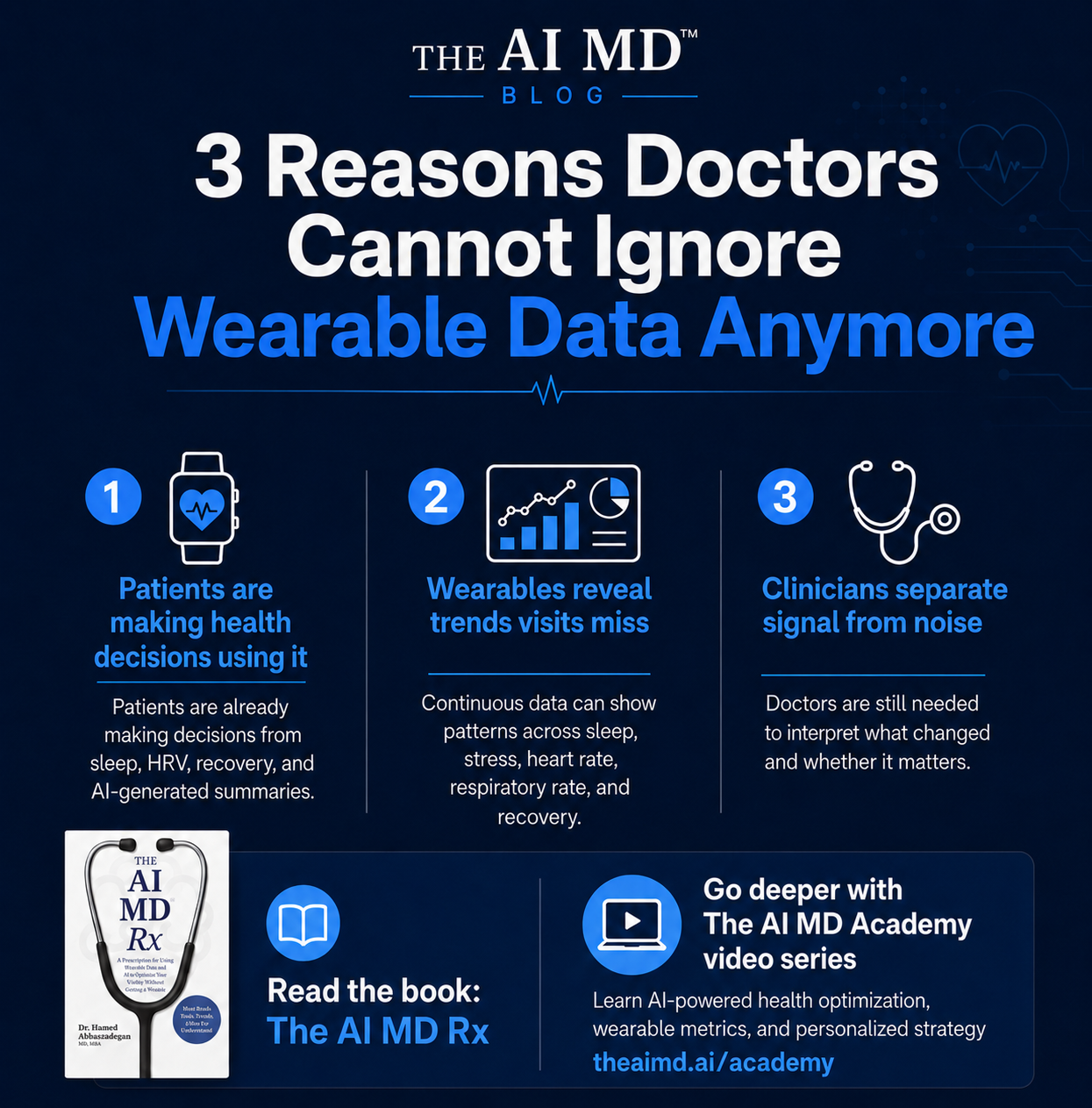
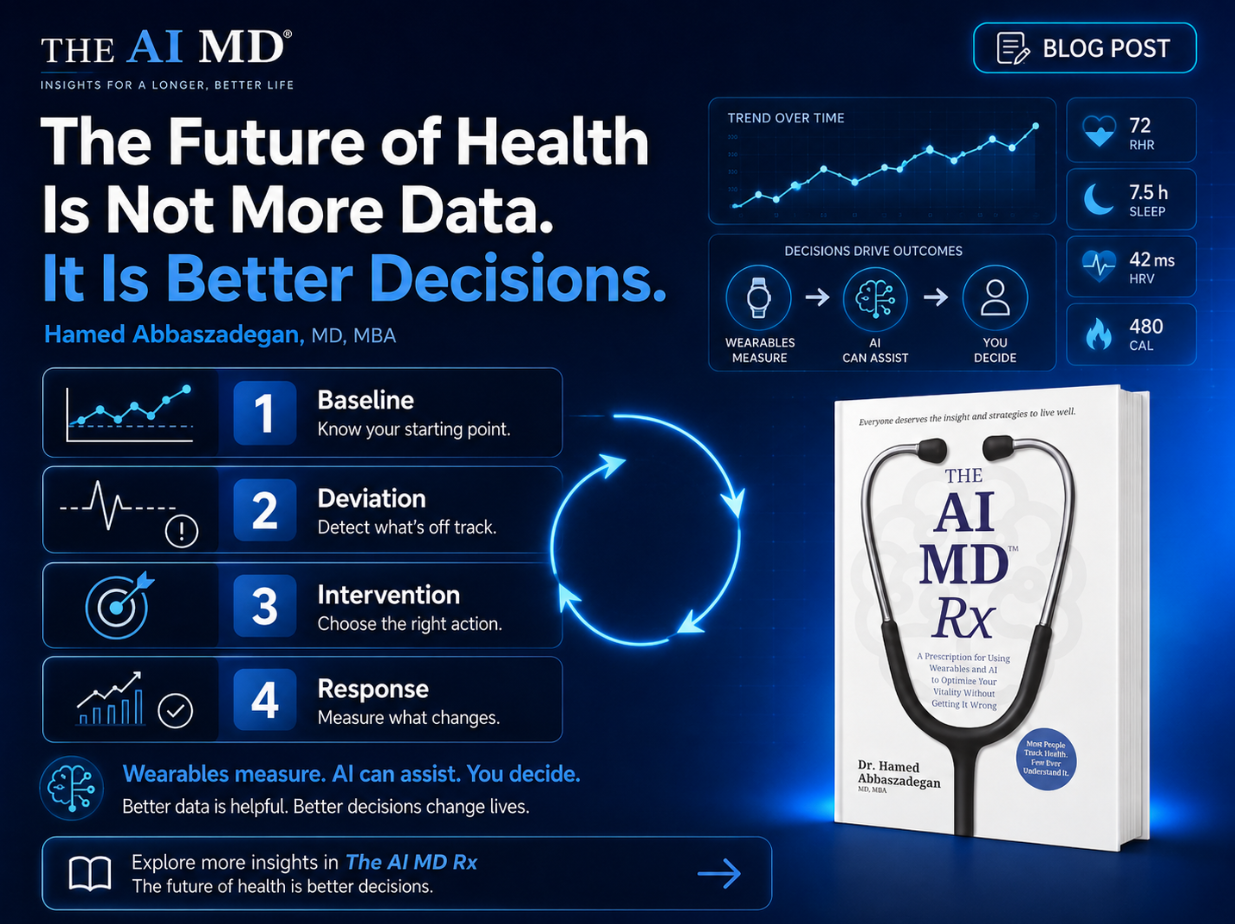
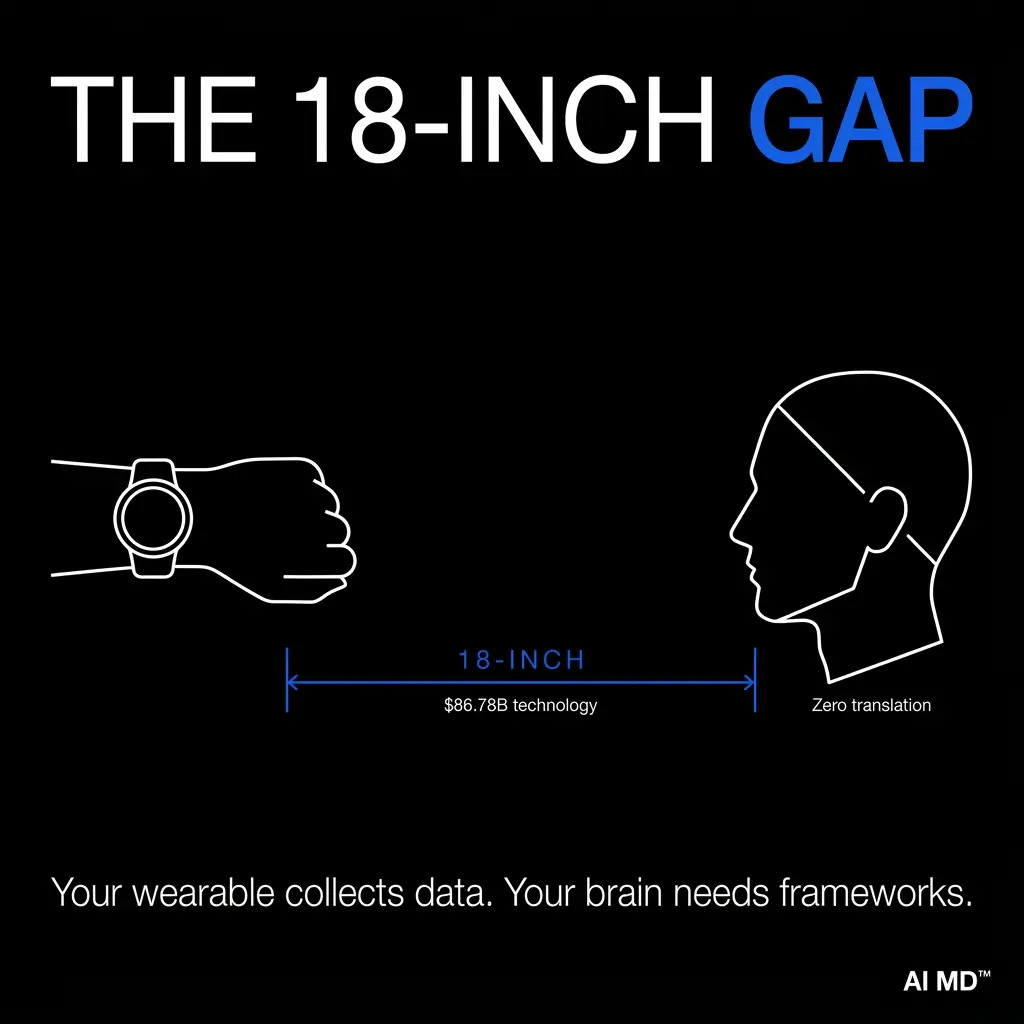
Most wearable devices generate more data than most clinicians know what to do with. Heart rate. Sleep stages. HRV. SpO2. Continuous glucose. Skin temperature. Respiratory rate. Activity patterns. The data stream is rich, continuous, and largely untranslated into clinical language.
That translation gap is both the challenge and the opportunity. Wearable devices have shifted the focus of health data generation from the clinical encounter snapshot in time to the continuous lived experience of the patient. What happens between clinic visits is now measurable. The question is who has the framework to interpret it.
Here is what the evidence shows about wearable data interpretation and what it means for clinical practice.
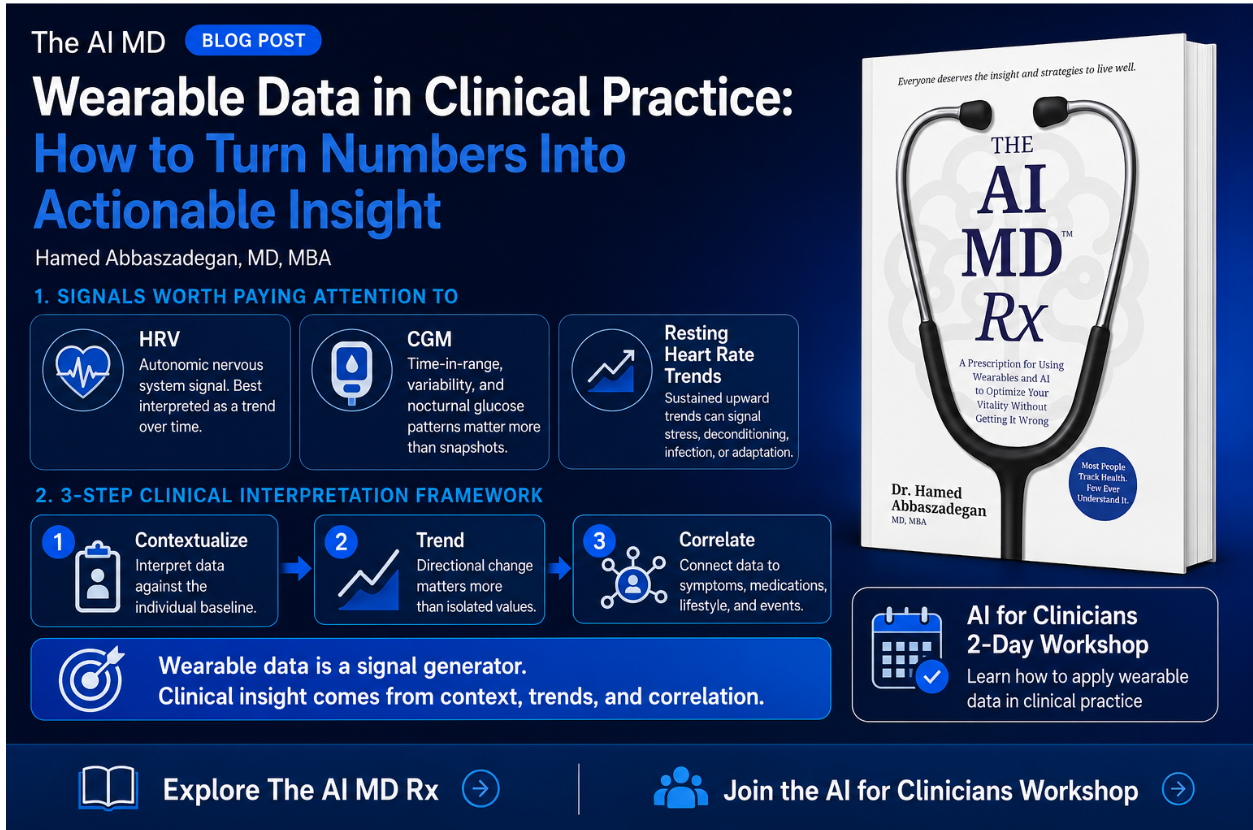
Not all wearable metrics carry equal clinical signals. Some metrics such as step counts and sleep duration are useful for population-level trend tracking, but have significant individual variability and limited diagnostic precision. Other metrics however are emerging as clinically meaningful at the individual level. These include the following:
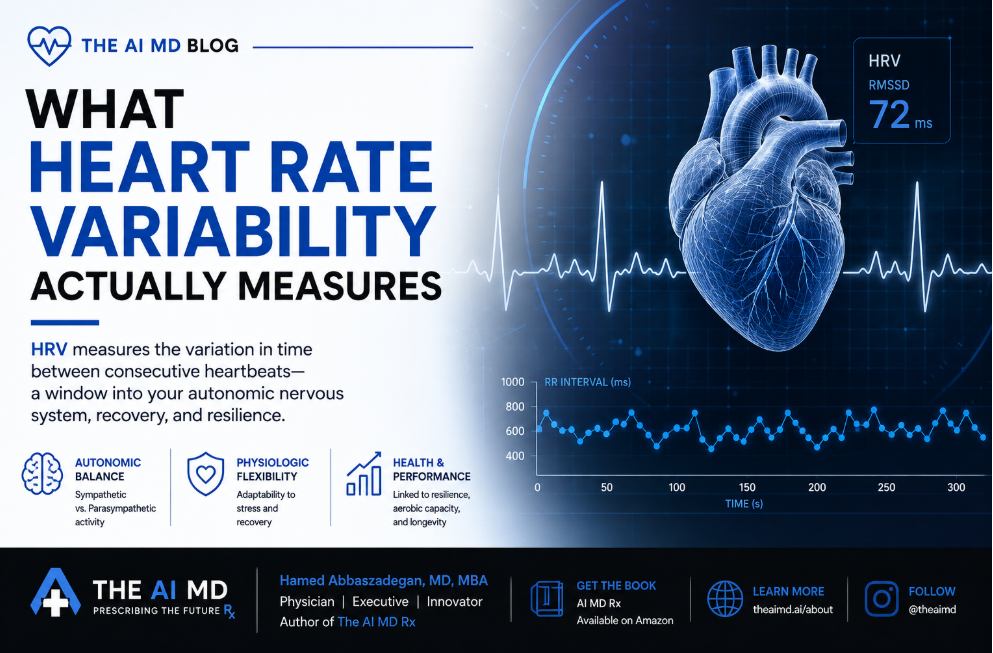
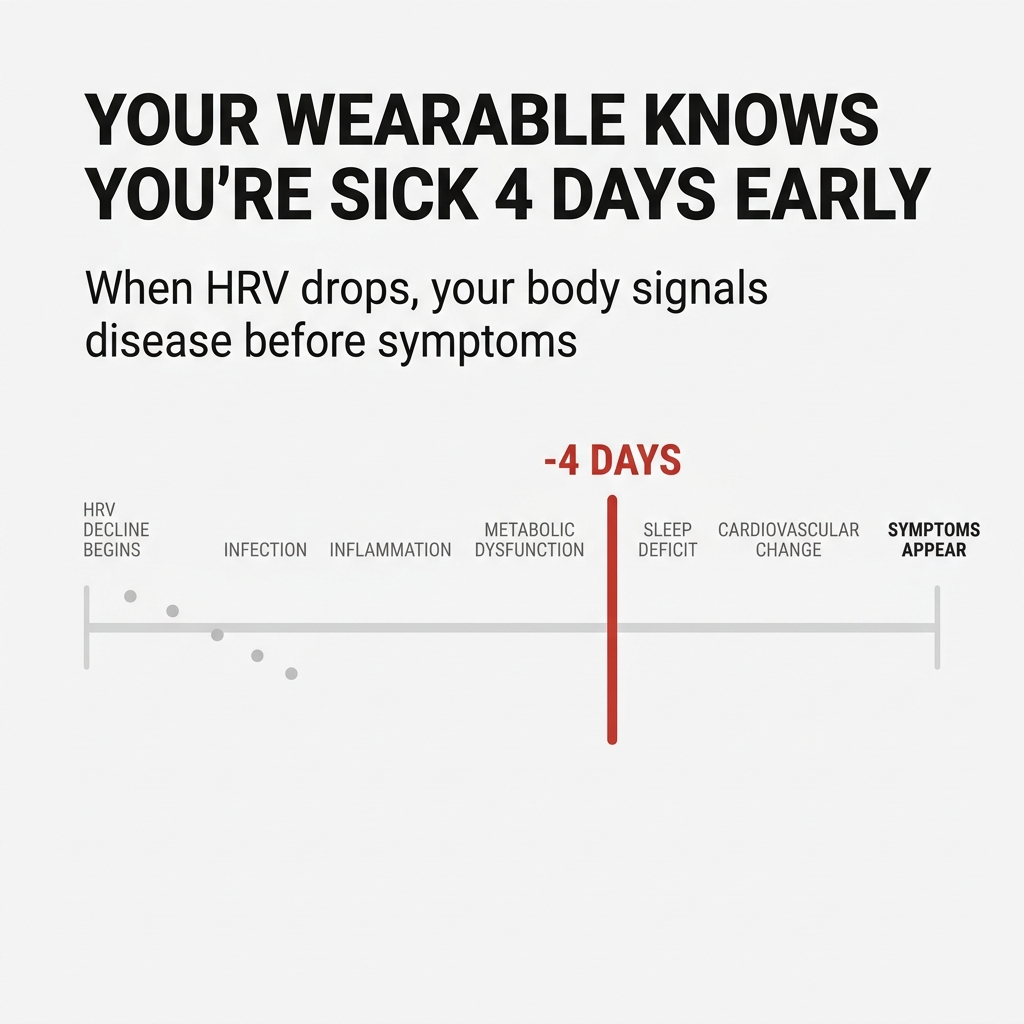
Heart Rate Variability (HRV) is one of the most data-rich signals available from consumer wearables. HRV reflects autonomic nervous system function which is the balance between sympathetic and parasympathetic activity. Chronic low HRV correlates with cardiovascular risk, poor recovery from physiological stress, and systemic inflammation. Trend analysis over weeks and months reveals patterns that single-encounter vital signs cannot capture.
Continuous Glucose Monitoring (CGM) data transforms diabetes management from point-in-time HbA1c snapshots to dynamic glucose pattern analysis. Time-in-range metrics, glycemic variability indices, and nocturnal glucose patterns provide a precision layer that quarterly lab values cannot match.
Resting Heart Rate Trends over extended periods provide early signals of physiological stress, deconditioning, infection, and cardiovascular adaptation to training load. A sustained upward trend in resting heart rate can signal emerging pathology weeks before symptom onset.
Interpreting wearable data effectively requires a three-step framework: contextualize, trend, and correlate.
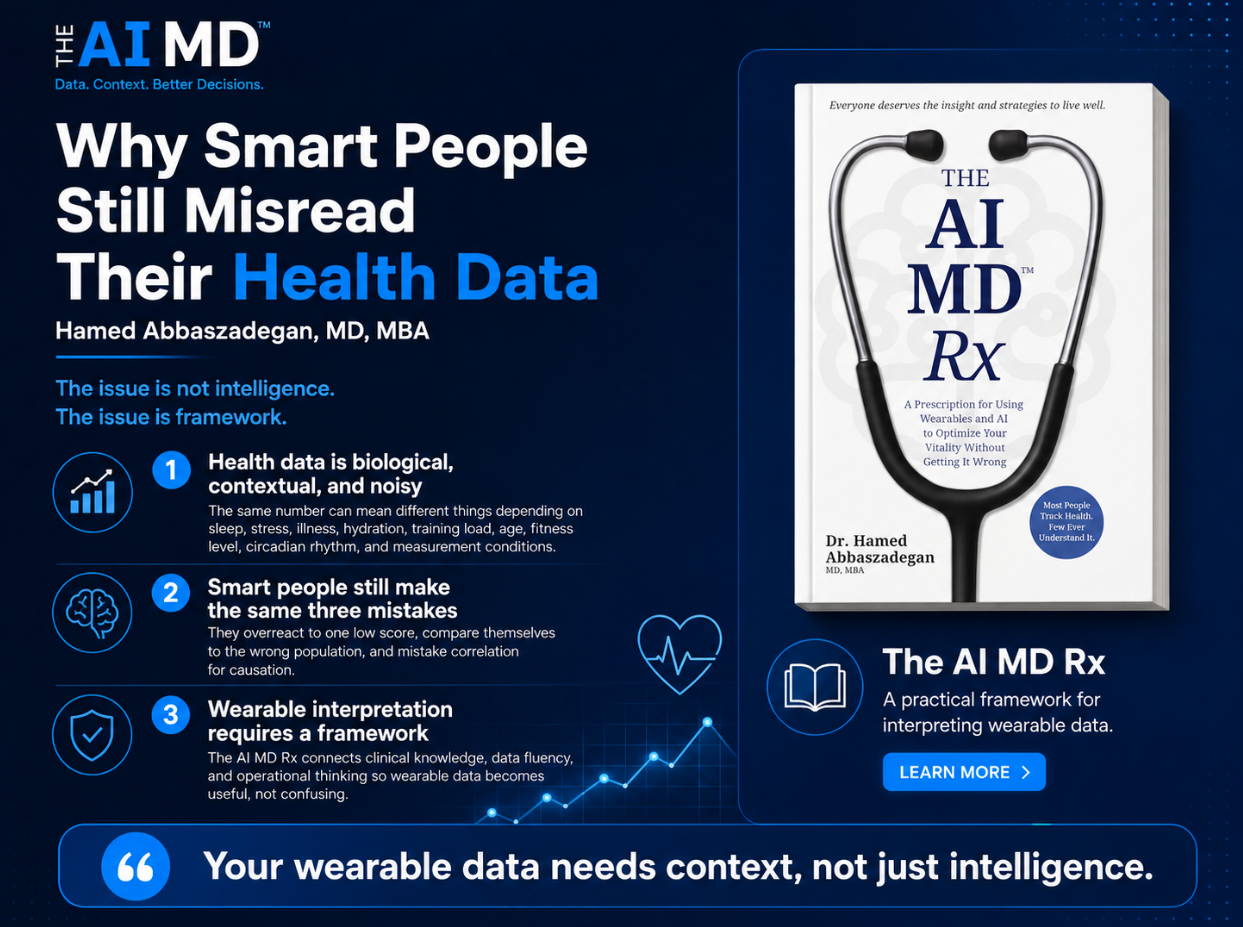
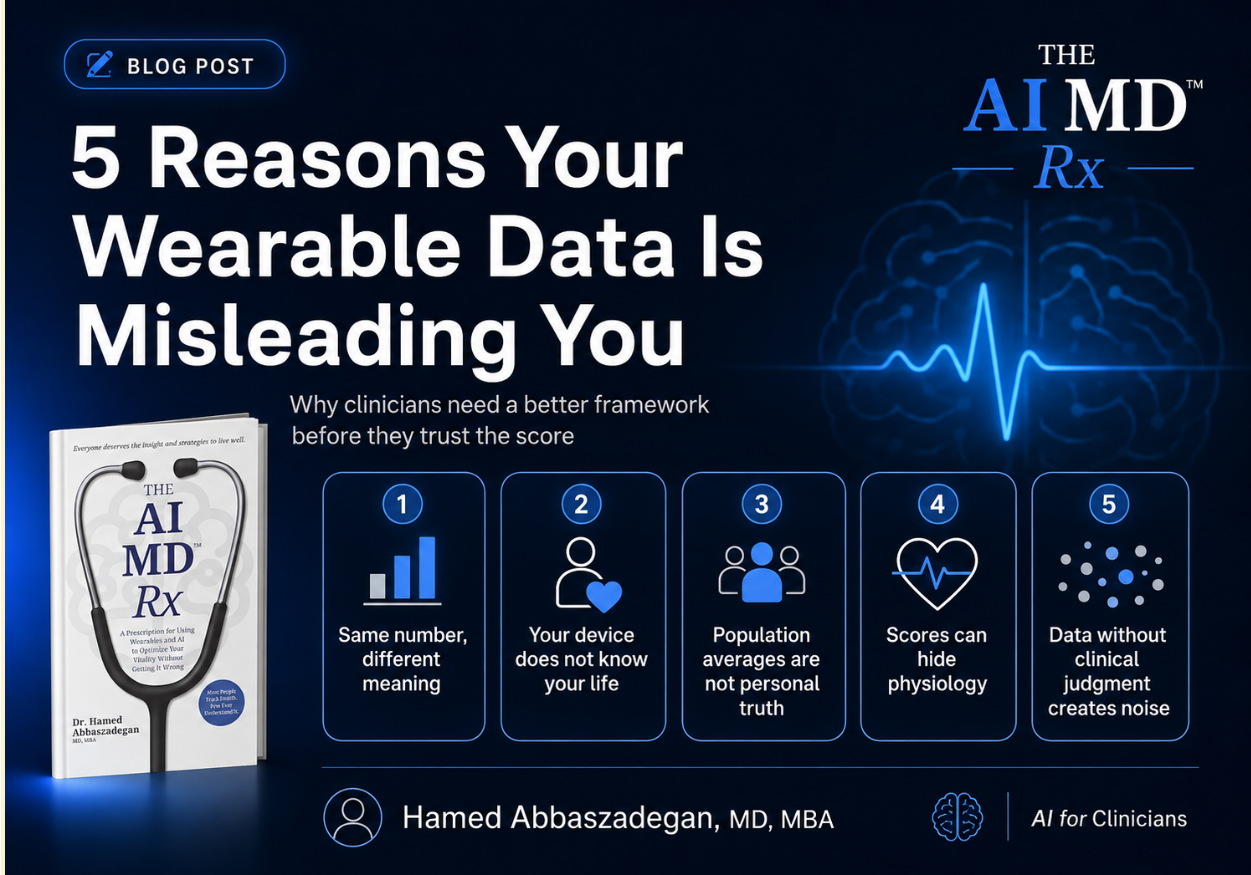
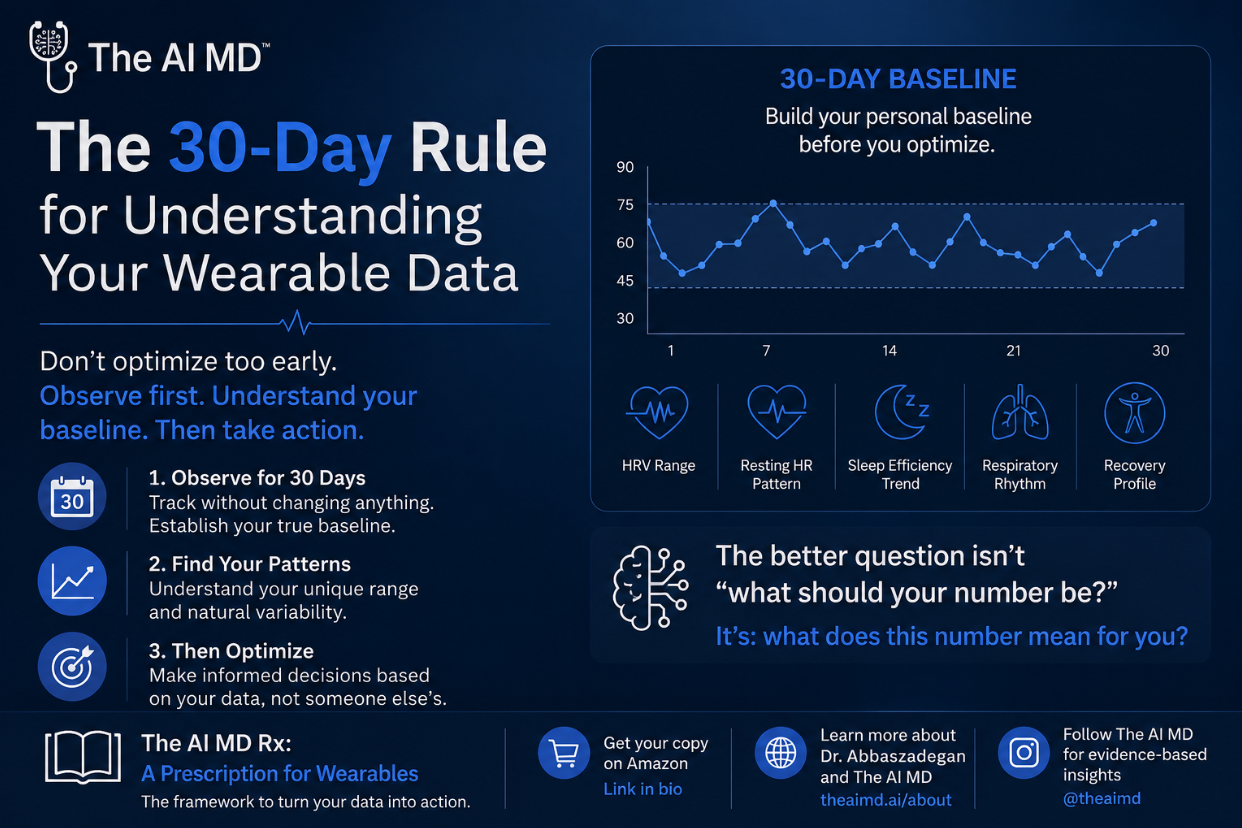
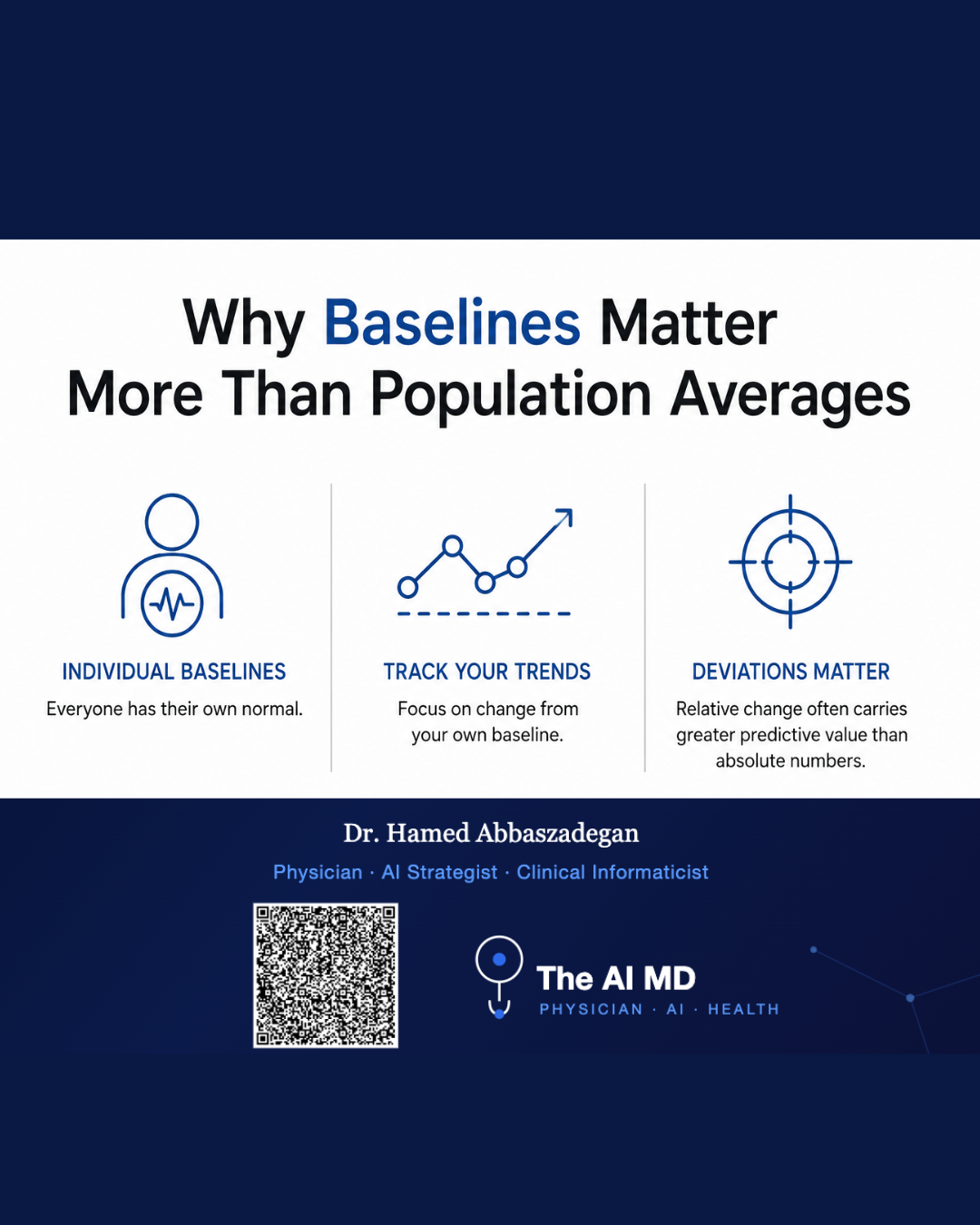
Contextualize means placing the data in the individual's physiological baseline. Population-level normal ranges are minimally useful for individual interpretation. A resting HRV of 45ms means something different for a 60-year-old sedentary patient than for a 35-year-old endurance athlete. The clinical question is always: what is normal for this individual, and what direction is it trending?
Trend means prioritizing directional change over absolute values. Wearable data derives its predictive power from longitudinal pattern analysis. A single night of poor sleep is noise. Three weeks of deteriorating sleep architecture is a signal. The clinician who knows how to read trends rather than isolated data points extracts meaningfully more value from the same data stream.
Correlate means connecting wearable data patterns to clinical events, lifestyle factors, medication changes, and symptom reports. The integration of subjective patient experience with objective continuous data is where wearable-informed clinical care demonstrates its highest value.
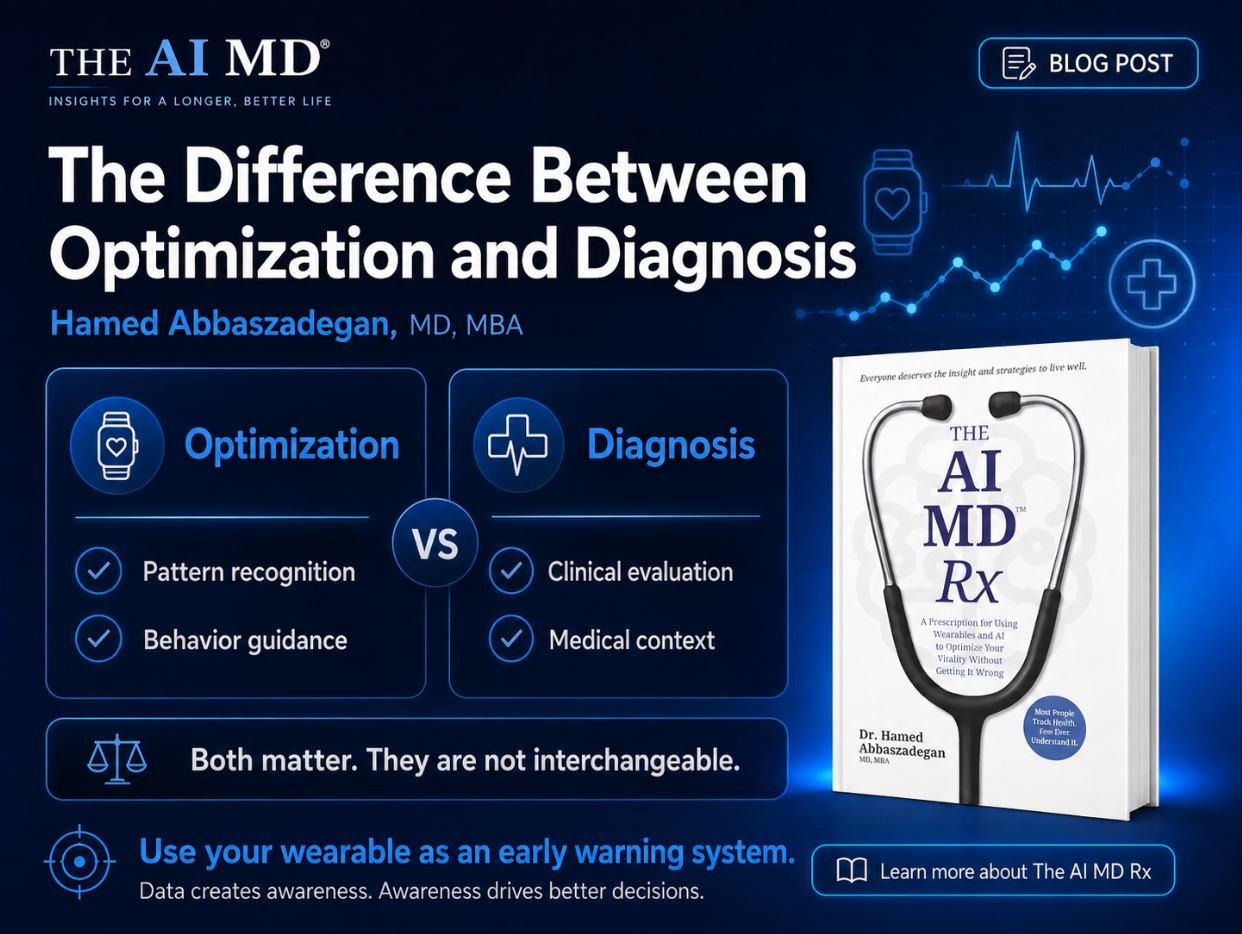
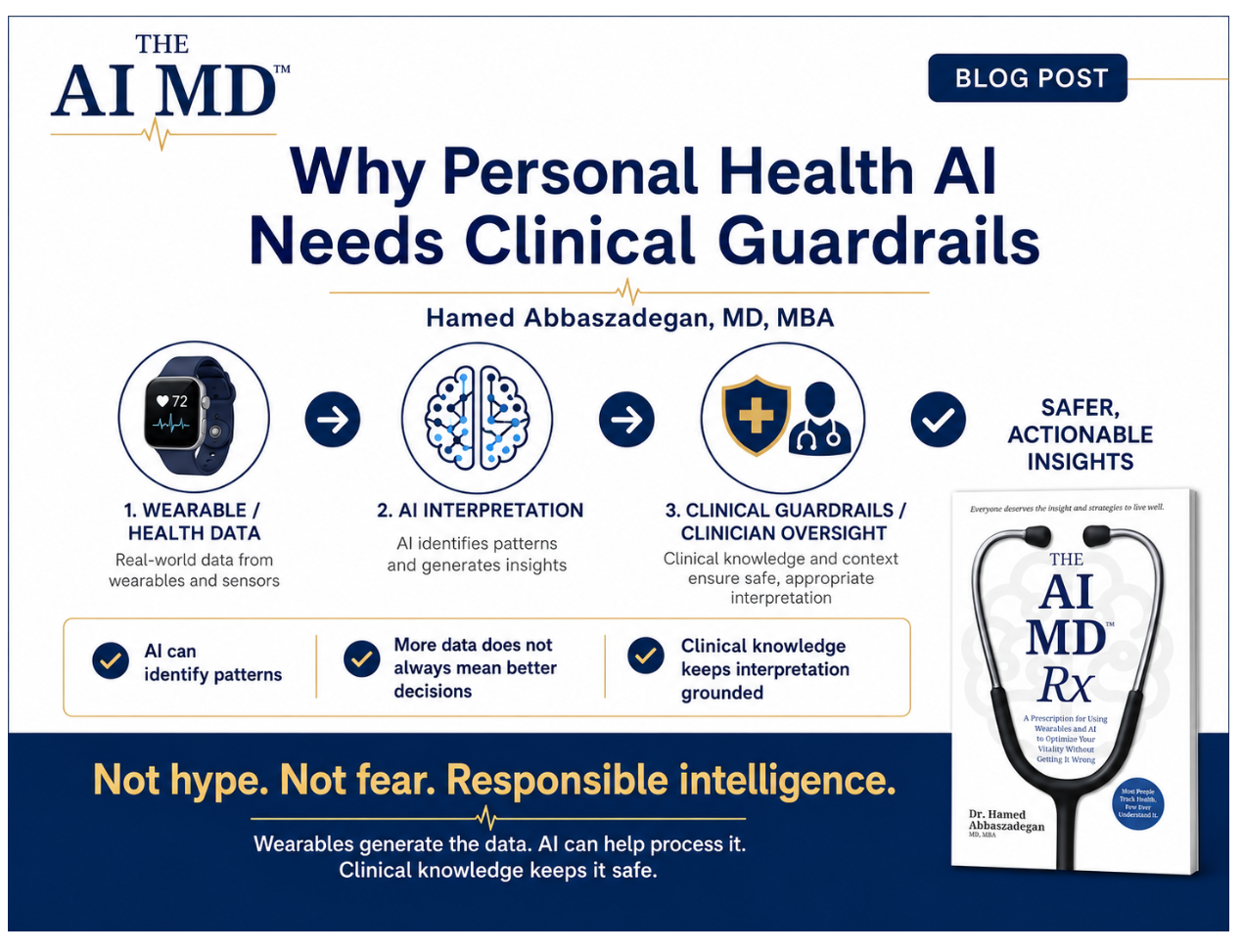
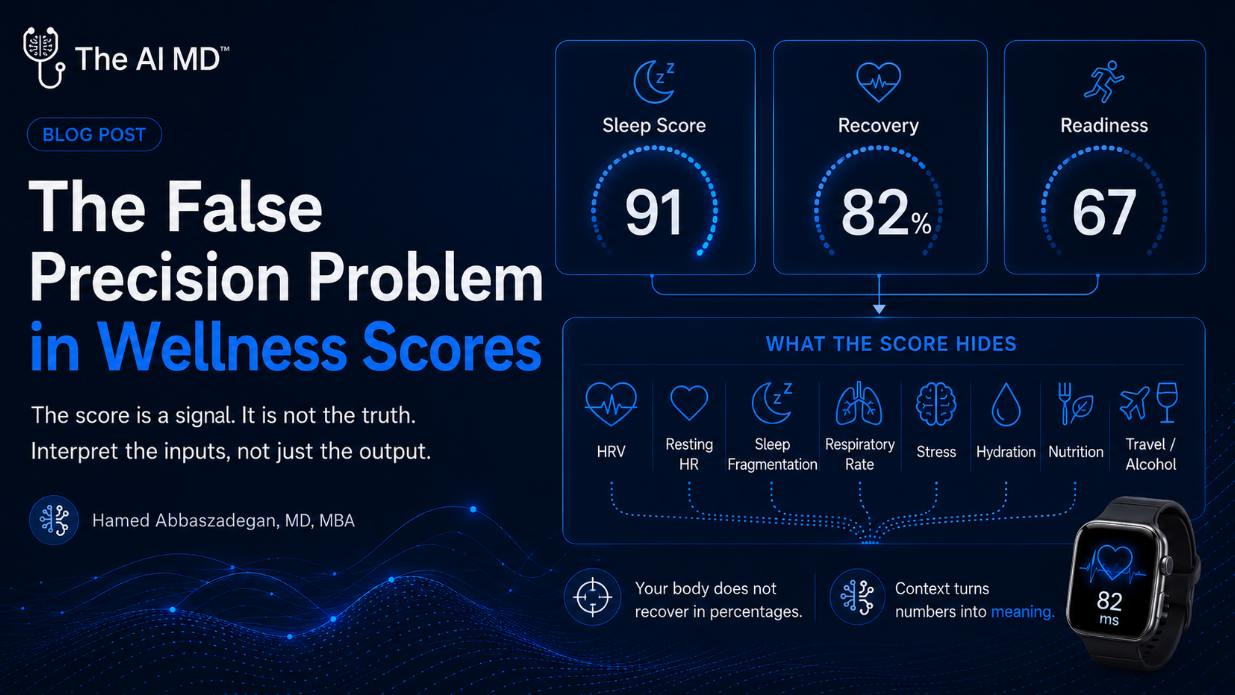
Wearable data is not a diagnostic instrument. It is a signal generator. The interpretation for clinical value requires the clinician's contextual knowledge of the individual patient, their history, their medications, their life circumstances, and their goals.
The most powerful application of wearable data in clinical practice is not autonomous AI interpretation. It is the combination of continuous patient-generated data with clinician expertise to produce a richer, more precise picture of the individual's health trajectory than either source provides alone.
The clinician who develops fluency in wearable data interpretation is positioned to deliver a precision layer of preventative care that standard clinical encounters cannot access. Want to learn more on how to apply wearable data into clinical practice? Join the 2-day workshop on AI for Clinicians:
https://www.eventbrite.com/e/ai-for-clinicians-tickets-1988199096017?aff=oddtdtcreator




%20(1880%20x%20940%20px)%20(3%20x%204%20in)%20(1).png)


.png)


Stay Connected
If you’d like these insights delivered straight to your inbox, you can sign up below. You’ll receive evidence-based perspectives on AI in healthcare, practical implementation guidance, and updates on speaking engagements and media appearances.